


 The Huffington Post
 Advent Has Begun. But What Does That Actually Mean, And Why Do We ave Advent Calendars?
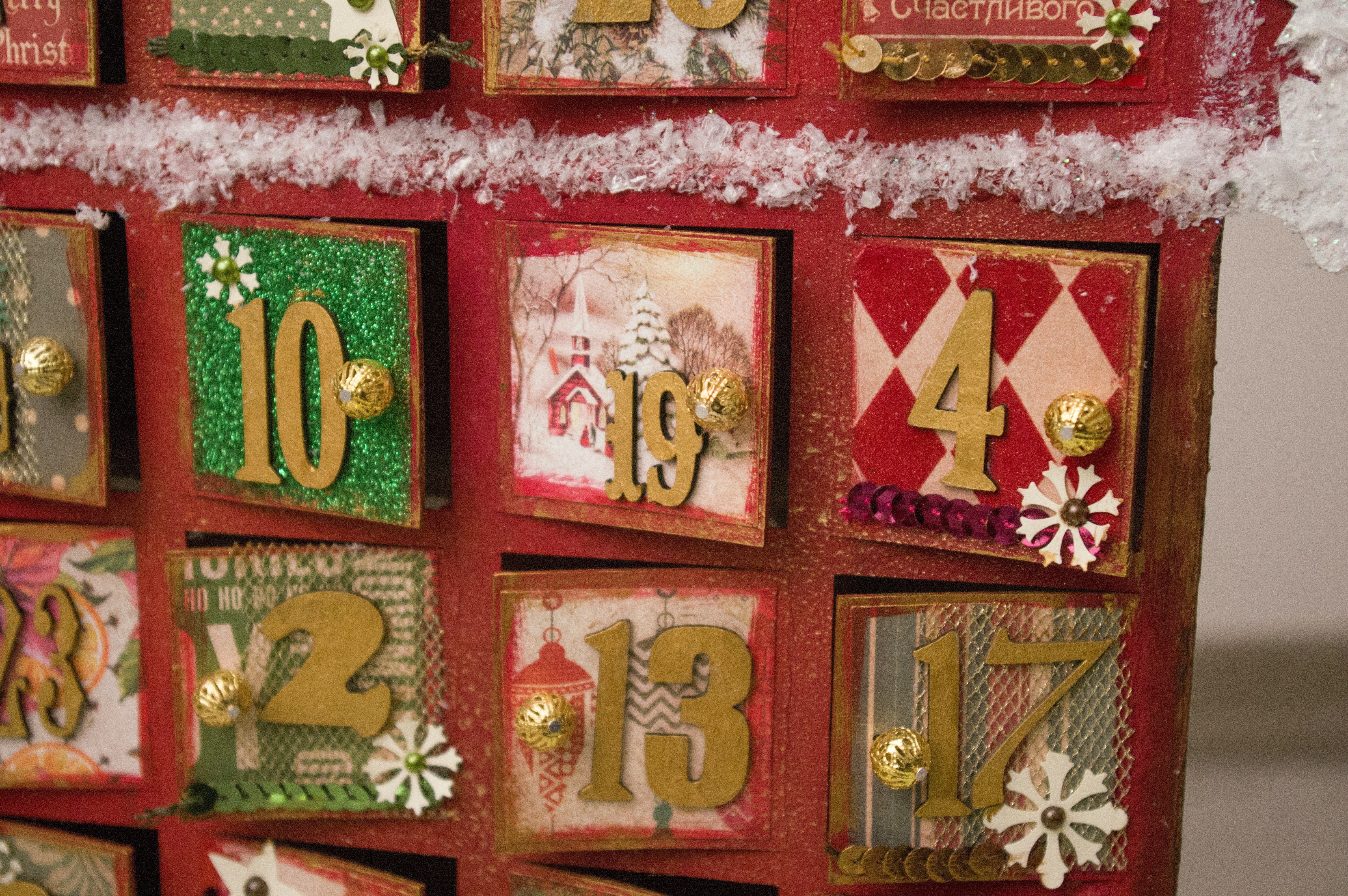
Not to alarm you, but we’re a matter of weeks away from Christmas – and already in Advent. Advent, which begins on the Sunday closest to November 30, lasts for four weeks . This year, it started on Sunday, November 3; the earliest it can begin is November 27. But what does Advent mean, and why do we celebrate it? Advent means “coming” Per Britannica , Advent comes from the Latin word “Adventus,” meaning “coming”. In the Christian faith, it refers to the coming of Christ, celebrated at Christmas. It can also, the BBC shared , be a “time of preparation when Christians think about the second coming of Christ and what they need to do to be ready for his return.” The dates have not always been the same. For instance, under Bishop Perpetuus of Tours (461–490), Advent used to involve a fasting period which began on November 11. Advent is linked to the Advent wreath, made from a circle of evergreen leaves used to represent eternal life. There are also four candles , one for each of the Sundays ’til Christmas. Some add a fifth candle that symbolises Jesus Christ. This final candle, if present, is not usually lit until Christmas begins. The other candles are traditionally lit on each Sunday before Christmas. Why do we have Advent calendars? Like Christmas trees , these started out as a German tradition – though Advent calendars took off a little later, in the 19th century. It was simply a way to count down to Christmas. Traditional Advent calendars often had Bible verses or pictures , though NPR pointed out Advent calendars weren’t the only way Germans built anticipation at the time – less long-lasting versions included keeping a chalk tally on walls and doors, and placing extra straws in the crib of a Nativity scene. So, though it took a few decades, perhaps it’s not surprising that German publisher Gerhard Lang is credited with the first printed Advent calendar, as well as the first Advent calendar with doors. And though the first chocolate version is believed to have been made in the ’50s, it took Cadbury’s about 20 years to make the first mass-produced version in 1971. Only in the ’90s did demand become high enough for them to keep the calendars in continuous production. Because Advent does not always begin on December 1, though, they don’t follow the exact dates every year – it is just easier to go 1-25, or 1-24. Related... Most UK Workers Would Prefer Cash To Christmas Parties, Says Poll 21 Alternative Christmas Bangers To Freshen Up Your Festive Playlist The Cast Of Peep Show Are Planning A Very Special Reunion This Christmas