


 Ruptly
 Sowing seeds of justice - Kenyan farmers welcome high court decision to overturn ban on seed-sharing
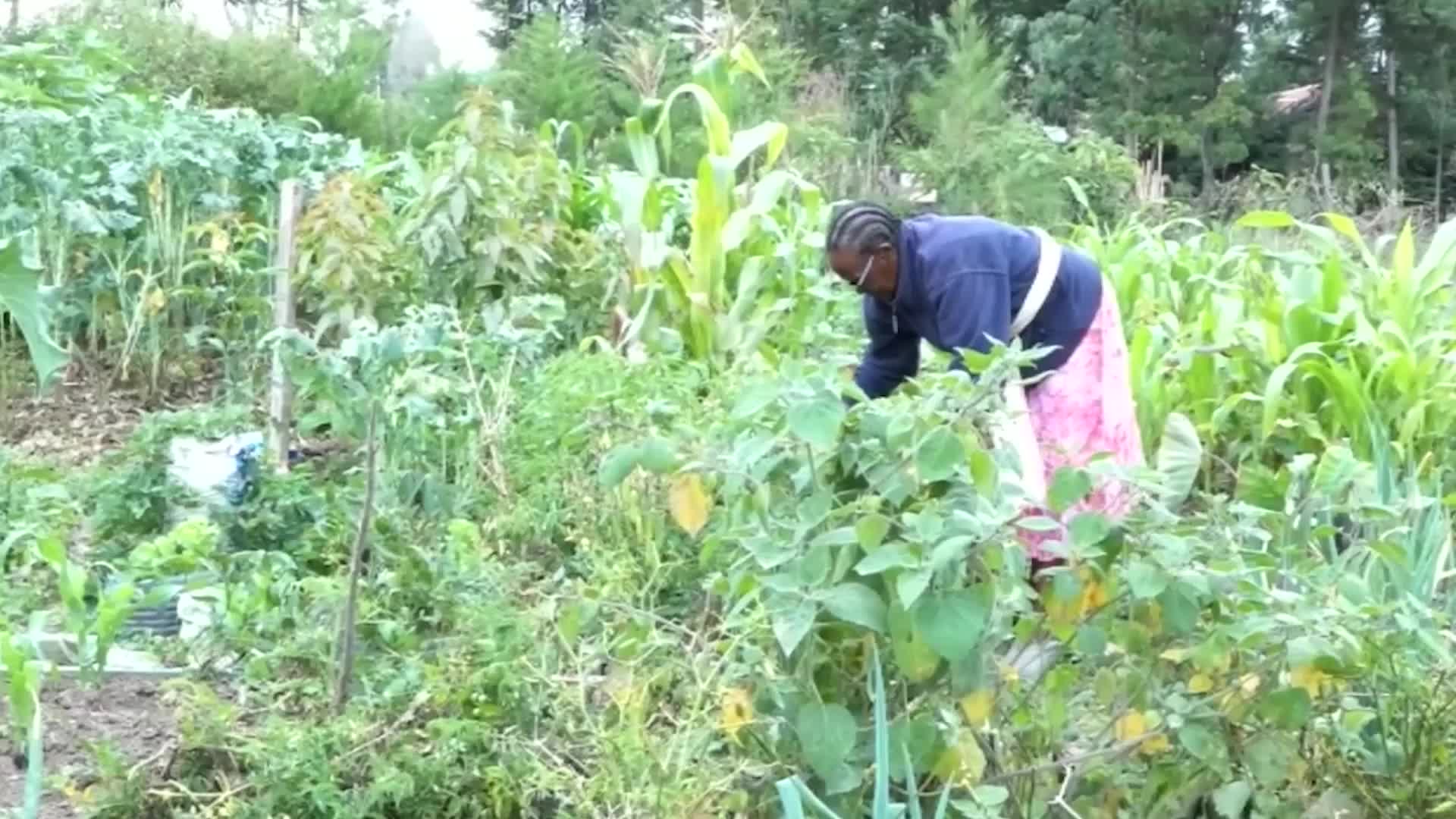
"Kenyan farmers are sowing the seeds of freedom after the High Court overturned a long-contested law that barred them from sharing and selling indigenous seeds. Footage filmed in Nanyuki on Sunday shows farmers tending to their crops, with one arranging a batch of maize cobs. "We used to fear even having some seeds, because when you are found with them you will be taken to court and be fined," explained one farmer. "For now we are very happy, because we are going to preserve our seeds and assist one another and no farmer will lack seeds," she added. Habiba Abdullahi Wabera emphasised that seed-sharing enables farmers not only to save money on purchasing seeds but also to generate income by selling them. "We were having a lot of problems earlier, because most of the seeds we had we used to buy from shops and they were expensive - and after planting them they could not germinate," added another farmer, Rebecca Wanjiru. Meanwhile, others pointed to the ruling's impact on future generations, claiming it could encourage the youth to take up farming. "It's a good opportunity for the upcoming generation and even the youth who don't have jobs. They will have to embrace farming and they benefit for the next five years," said Abdi Nassir. On Tuesday, the Kenya High Court declared key provisions of the Seeds and Plant Varieties Act 'unconstitutional' and decriminalised the practice of saving and sharing indigenous seeds. Under the 2012 seed law, Kenyan farmers risked up to two years in prison and a fine of 1 million shillings ($7,700) for sharing seeds through their community seed banks. Activists argued that the law - which aimed to regulate seed production and processing - disproportionately benefits multinational corporations at the expense of local farmers' rights and biodiversity."