


 Ruptly
 'Intensive contacts are ongoing' - Doha confirms mediation role amid escalating US-Iran tensions
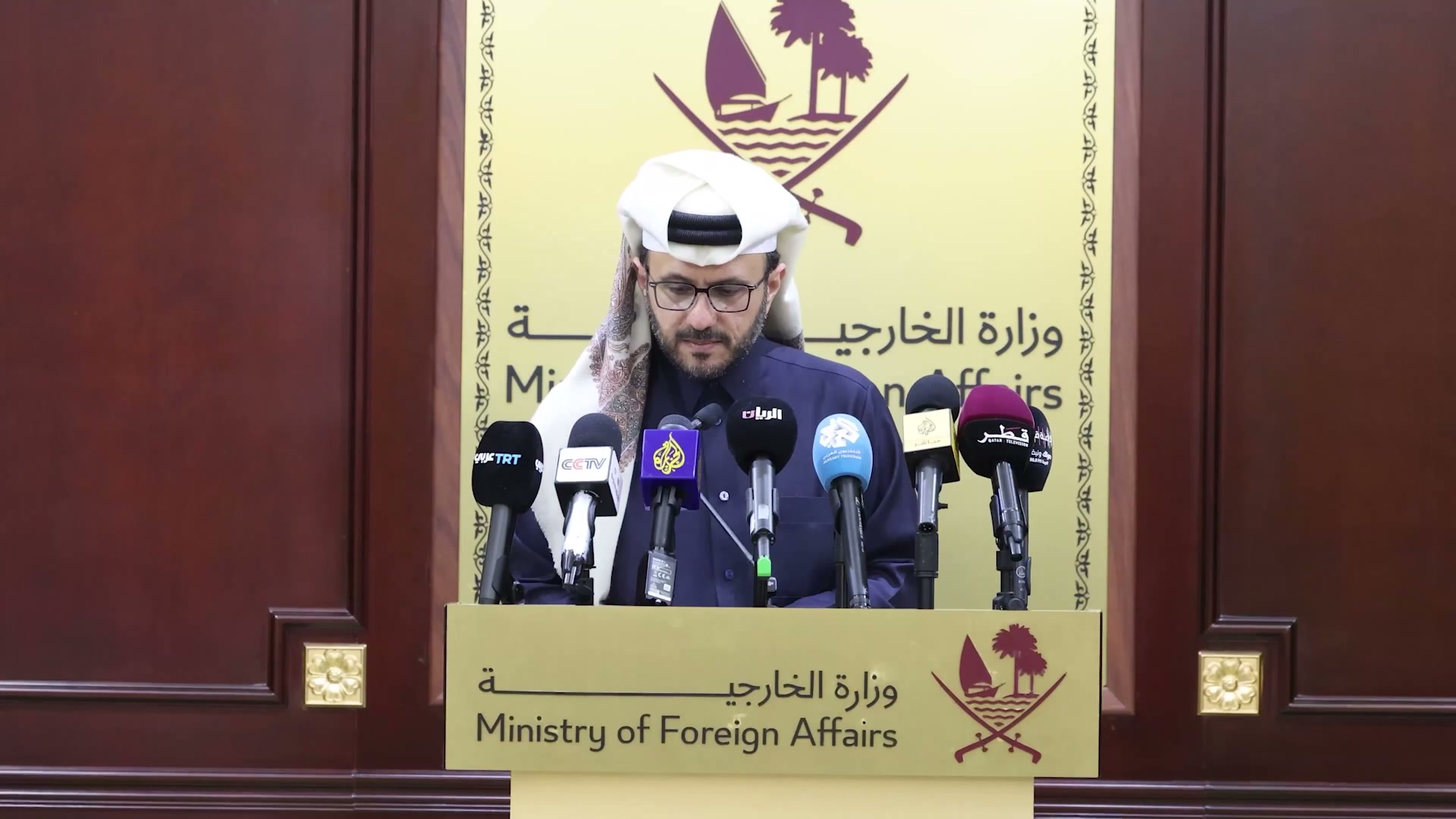
"Qatar’s Ministry of Foreign Affairs spokesperson Majid Al-Ansari said Doha is engaged in negotiations aimed at easing tensions between the US and Iran on Tuesday. “There are intensive contacts ongoing in the region. We are undoubtedly a party to these contacts, as I mentioned earlier, and we fully support, by all means, the peaceful resolution of disputes between the two sides," he said. Al-Ansari said communication had taken place between Qatar’s Prime Minister and Foreign Minister and his Iranian counterpart, as well as “the call reported by the media between the US envoy and the Iranian Foreign Minister.” US media reports said Iranian Foreign Minister Abbas Araqchi held a phone call with US President’s Middle East envoy Steve Witkoff, during which the situation surrounding protests in Iran was discussed. Iran’s Foreign Ministry spokesperson Esmail Baqaei confirmed on Monday that communication channels between Araqchi and Witkoff “remain open, and messages are exchanged through them whenever necessary.” Tensions between Washington and Tehran have risen in recent days. On Tuesday, US President Donald Trump addressed Iranian protesters, saying that 'help is on its way', urging them to “keep protesting and take over the institutions.” In response, Iran sent a letter to the United Nations Security Council accusing the United States and Israel of “encouraging political destabilisation, inciting violence, and threatening the country’s sovereignty, territorial integrity, and national security.” Iran has seen widespread protests since late December, beginning in Tehran and later spreading to other cities, fuelled by worsening economic conditions and the sharp decline of the Iranian rial against the US dollar. In several locations, protests escalated into rioting and vandalism targeting public property. Iran’s president accused 'the enemy' of training “a group from inside and outside the country, and bringing terrorists from abroad into the country.” Iranian authorities say they are working to address the protesters' 'legitimate' demands within available means, while warning that external actors are attempting to exploit economic grievances 'to stir unrest'."