


 Ruptly
 ‘Nigeria would feel the pain!’- Analysts say 2026 budget at risk as US intervention in Venezuela threatens global oil prices
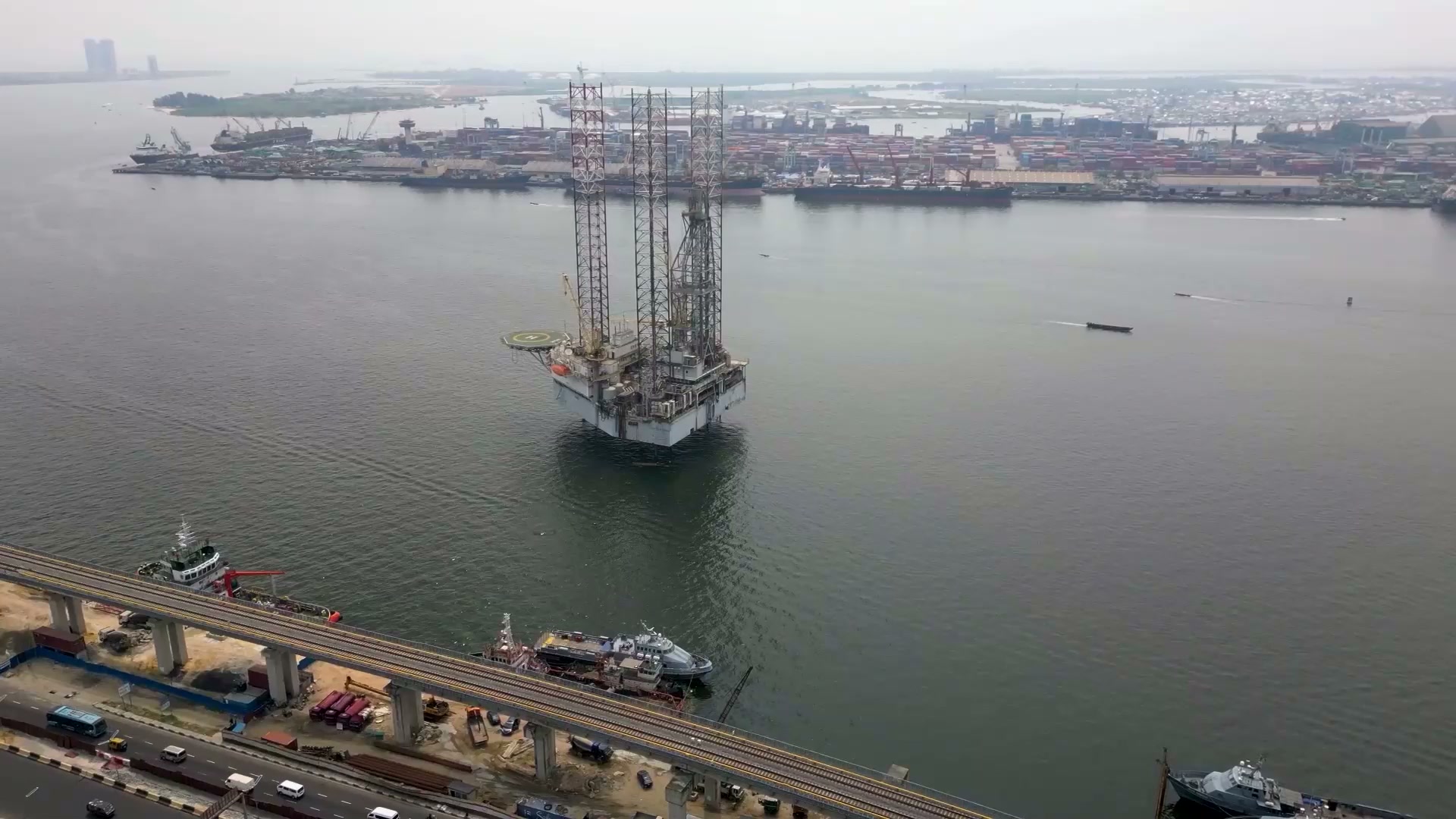
"Economists and energy experts in Nigeria issued warnings about the potential impact of the US-led operation in Venezuela on the country’s 2026 budget. While Nigeria has based its budget on a conservative benchmark of $60–64.85 per barrel, the return of Venezuelan oil to global markets could drive prices to unprecedented lows. Aerial footage captured on Tuesday shows Lagos cityscape and oil tank farms, with traffic moving smoothly through the city’s ports and roads. Discussing the direct impact on the Nigerian economy, Ahmad Dancida, Head of Operations at Energy Culture Limited, warned that Nigeria could pay the price for a global oil supply glut. “The volume in the market which creates depression and that will bring about cost to slow down, and you know Nigeria survives on a social budgeting cost that is indexed to the price of oil, so that automatically affects Nigeria in one line,” Dancida explained. “Another angle where Nigeria would feel the pain, or have some impact felt, is in the area of global shipping,” he added. “We now have a different flow, global shipping would now have concentration out of Venezuela, out of the United States of America, to the other part of the world for crude oil.” Energy lawyer Dr Ayodele Oni outlined Nigeria’s fiscal situation amid heavy reliance on oil revenue. “60% of our revenue and forex, perhaps 80 percent or more, and if that is the case, it then means that we may have to borrow more,” he said. Oni noted that oil prices will be affected directly by the ongoing Venezuela-US escalation. "My prediction for oil prices depends on what happens. If the threat goes ahead, we could see $40. If not much is done, then we may remain where we are, plus or minus 20 percent. But if it does go ahead, we may see less than $40 per barrel,” he continued. Nigeria has proposed a substantial 2026 budget of ₦54.46 trillion, with a projected deficit of ₦20.13 trillion, largely to be financed through borrowing. The government aims to produce 1.84 million barrels per day, a target analysts consider 'highly ambitious; given ongoing 'theft and sabotage' in the Niger Delta, which limited actual output to around 1.4 million barrels per day at the end of 2025. As Washington moves to revive Venezuela’s oil sector - housing the world’s largest reserves - observers warn that increased US investment could raise production by one million barrels per day within two years, potentially reshaping OPEC’s balance of power to the detriment of traditional producers like Nigeria. It comes after the US military carried out an operation in Venezuela on January 3, capturing President Nicolas Maduro and his wife, Cilia Flores."