


 Ruptly
 First among others - Uruguay approves Mercosur-EU agreement 'against unilateral decisions in geopolitics'
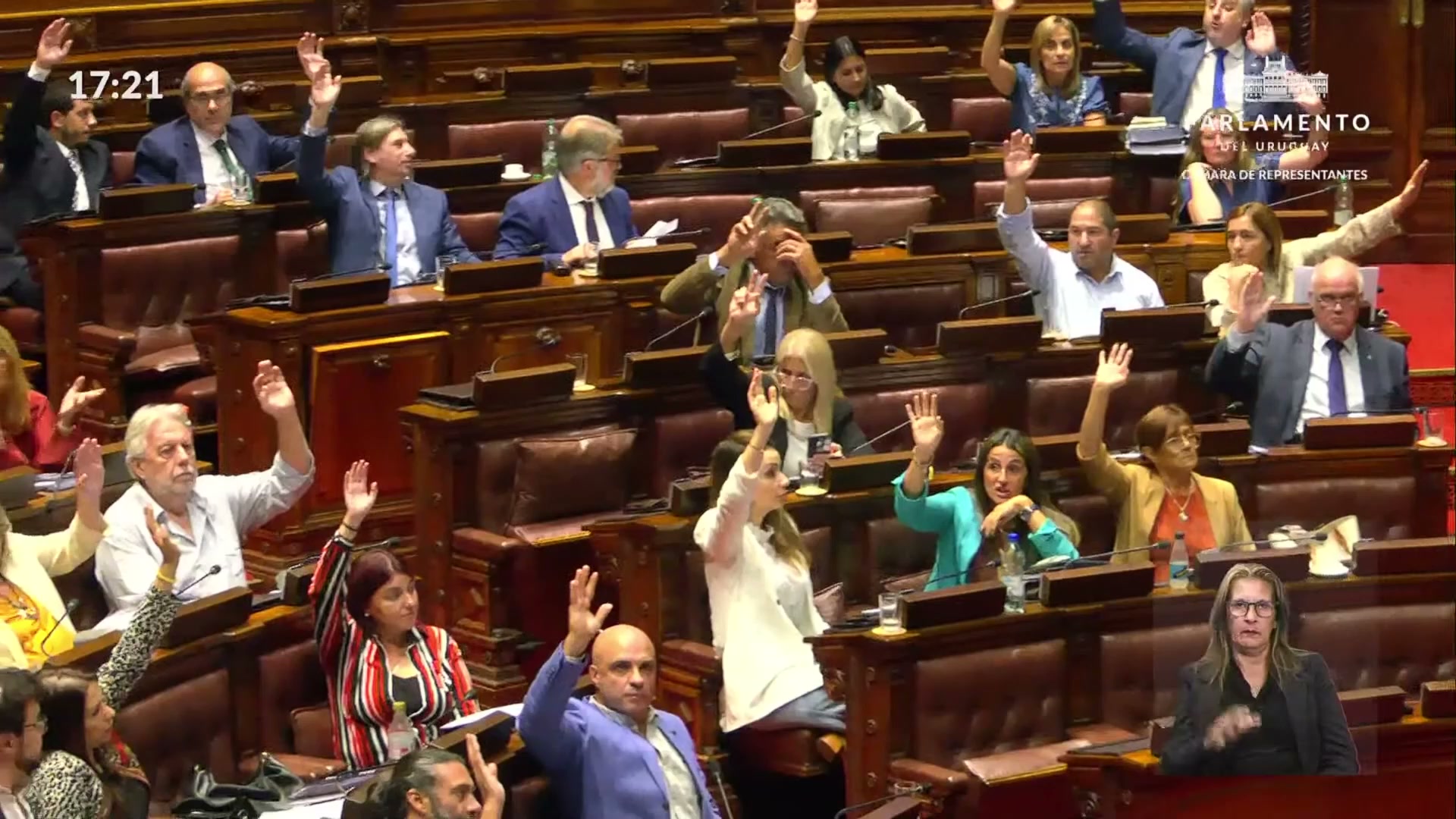
"Uruguay's Parliament ratified the trade agreement between Mercosur (Southern Common Market) and the European Union (EU), thus becoming the first member country of the South American bloc to complete this legislative process after more than 25 years of negotiations. Uruguay's Chamber of Deputies approved the bill with 91 votes in favour and only 2 against, after the Chamber of Senators gave its unanimous backing last Wednesday. During the debate in the Lower House on Thursday, lawmaker Sebastian Valdomir highlighted the importance of generating multilateral agreements in an individualistic political scenario when referring to the United States and its imposition of tariffs on the vast majority of the world's agricultural exporting countries. "Agreeing on rules, agreeing on parameters, quotas, and deadlines is the opposite of the unilateral decisions that seem to predominate today in geopolitics and especially in international trade," the legislator said. The parliamentary session began with a debate among lawmakers about the benefits and challenges of the proposed agreement. Representatives from various political parties joined together in support of the trade pact, with only a small group of legislators from the Identidad Soberana party voting against it. In his second intervention, Valdomir warned about the need to adapt regional trade strategies to the reality of current export flows, stating that Mercosur could increase its negotiating power vis-a-vis powers such as China. "Our main trading partner today, of Uruguay, of China, of Brazil, of Argentina, is China, and the only possibility of negotiating a free trade agreement, possibly between Mercosur and China, is as a bloc," he explained. Once the vote was completed, the Uruguayan legislative branch officially became the first Mercosur parliament to ratify this ambitious agreement with the EU. Although Uruguay's ratification is a milestone, the entry into force of the agreement now depends on the processes within the European Union. The treaty aims to create one of the largest free trade areas in the world, encompassing nearly 700 million people and a significant proportion of global trade. It envisions the gradual removal of tariffs on around 92 percent of bilateral trade between the participating countries."