


 Autocar
 Renault CEO calls for range-extender EVs to replace 'fake PHEVs'
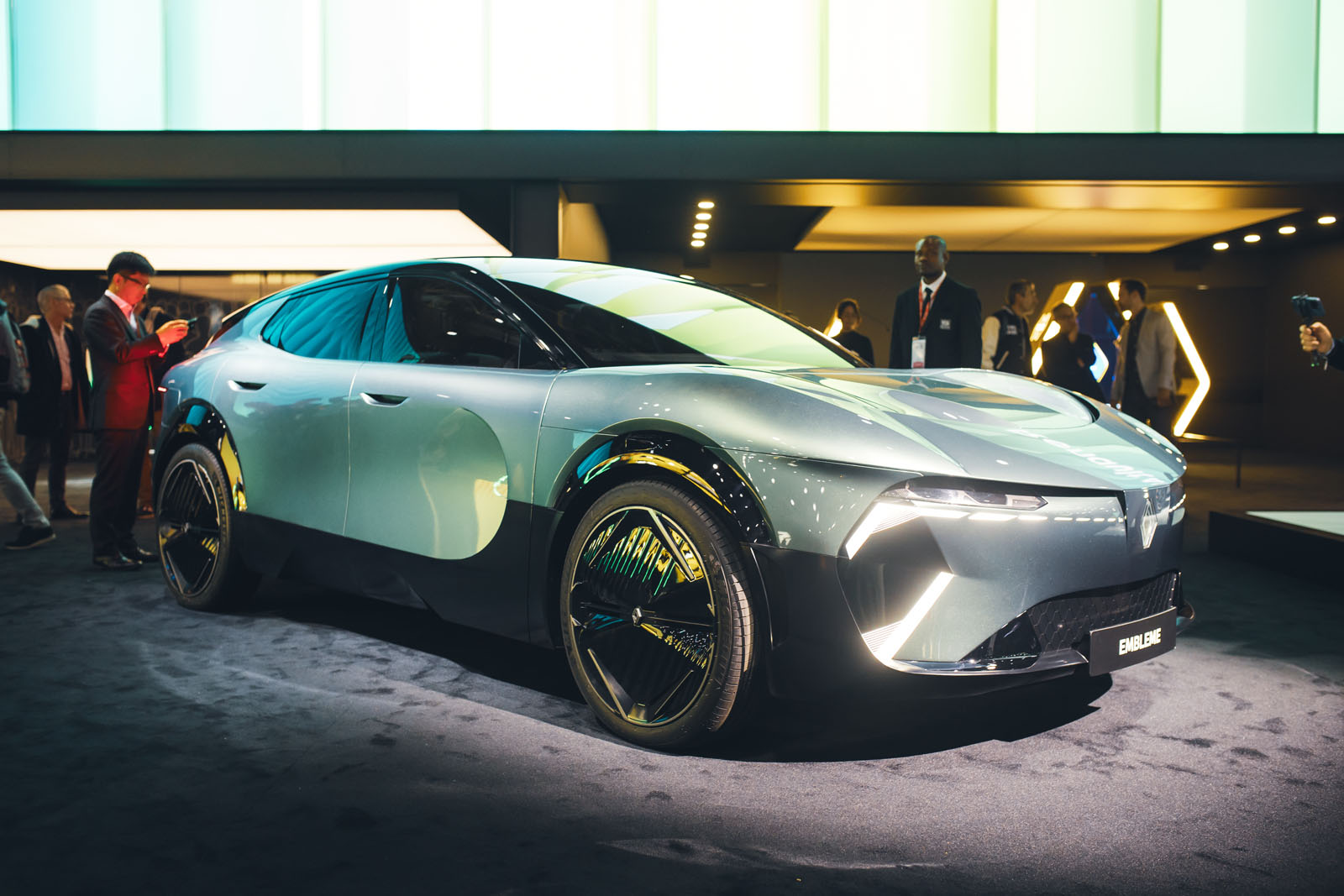
Renault Embleme concept previews a Scenic EV replacement that could use a REx powertrain François Provost slams plug-in hybrids that prioritise combustion engine and have short electric-only range Renault’s CEO wants the car industry to move on from “fake PHEVs” that don’t promote regular charging and embrace range-extender EVs that could potentially be sold after 2035. François Provost criticised short-range PHEVs from both Germany and China as holding back drivetrains of this type in terms of acceptance by consumers and regulators. “They kind of a fake PHEV. The autonomy [electric-only range] is too small and customers are not convinced to charge,” he told journalists on a recent call. Renault is investigating adding combustion engines to its new electric platform that will underpin models such as the next Scenic SUV . However, the French company needs to be sure that authorities in the EU and other countries with tough emissions targets, such as the UK, will allow highly electrified ICE cars to be sold after 2035. “The 2035 objective of 100% BEV makes no sense,” Provost said. By switching the emphasis from driving on the combustion engine to the electric motor, customers will be persuaded to charge regularly for daily trips, he believes, "but in case they need to do 1000 kilometres [620 miles] in a day, they know they can do it without any risk to the autonomy". The EU has come down hard on short-range PHEVs with official fuel economy figures that are rarely if ever achieved by introducing a new emissions standard called Euro 6e-bis, which it says better reflects real-world driving. This has forced car makers to increase the size of the battery to give more electric range. For example, that of the Volkswagen Golf GTE rose from just 31 miles to 81 miles after its battery was nearly doubled in capacity to 19.7kWh. High-end PHEVs from premium brands have some of the shortest electric ranges of all modern PHEVs. For instance, the Audi Q8 TFSIe offers 49 miles, the BMW M5 38 miles and the Lamborghini Urus 37 miles. Chinese car makers have grown in Europe using PHEVs in particular, capturing a quarter of the PHEV market in the UK in 2025 with models such as the segment-leading BYD Seal U, Jaecoo 7 and MG HS. While some of their PHEVs offer long ranges, Chinese makers typically offer a shorter-range budget model too. For example, the Geely Starray comes with either an 18.4kWh or 29.8kWh battery for a 52-mile or 84-mile range. The EU has opened the door a crack to the sale of range-extender cars post 2035 after proposing to reduce the required CO2 emissions reduction from 2021 figures from 100% to 90%. However, PHEVs remain in the firing line for green groups, who say the claimed emissions savings are illusory without any way of forcing owners to plug in their cars.