


 The Guardian
 Becoming George by Fiona Sampson review – the remarkable story of a cross-dressing 19th century novelist
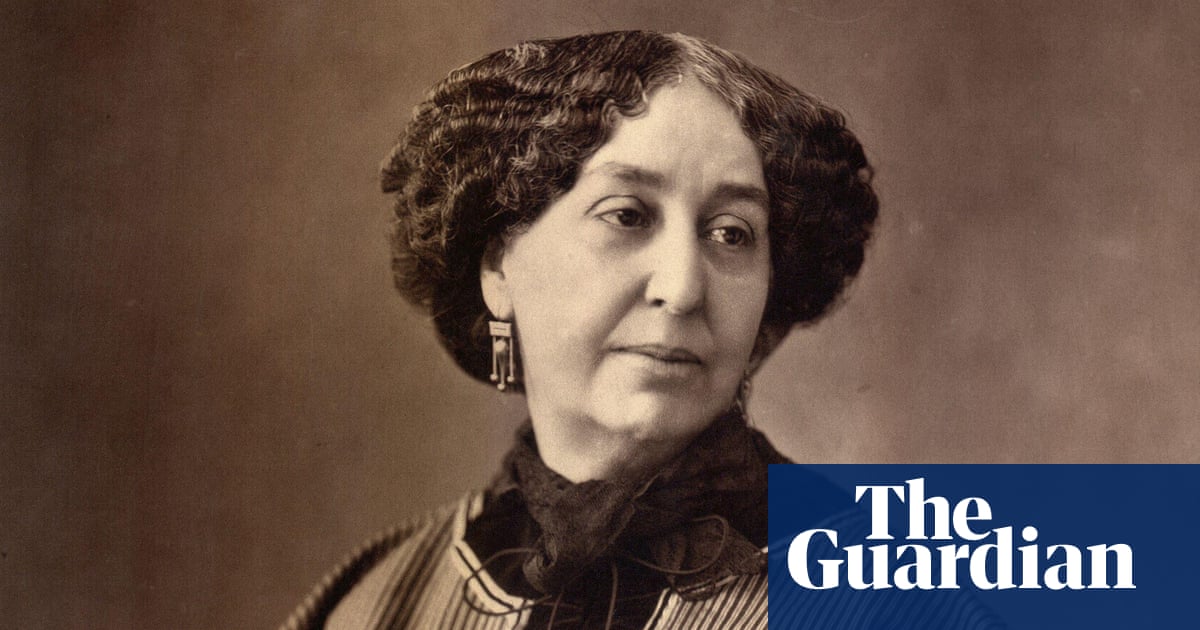
A reappraisal of one of literature’s most sensational personalities, the author of more than 70 books If we really are in a reading crisis – whether you blame TikTok or podcasts – it stands to reason that, of all the genres, literary biography might have particular cause to fear for its life: who wants the life story of somebody whose books no one reads? Such anxiety, justified or not, can be heard jangling away in the background amid some of the noisier claims made by Fiona Sampson at the start of her new biography of the pseudonymous 19th-century author George Sand, “one of the most famous writers in the world, at a time when books had something of the glamour that would later surround, say, Hollywood movies”. Best known for the 1832 novel Indiana, whose eponymous young heroine walks out on a loveless age-gap marriage, Sand’s life “reveals … the nature of all lives as self-invention”, not least because she scandalously wore trousers: “by suiting up as a garçon she was, criss-cross, acknowledging that to be a writing woman is a little off-centre: is queer,” writes Sampson, calling Sand “one of the boldest precursors of that perhaps final hope modernity holds out: that we might choose what we become”. Continue reading...