


 GB News
 Motorhome and campervan ban set to be made permanent as larger vehicles get blocked from coastal sites
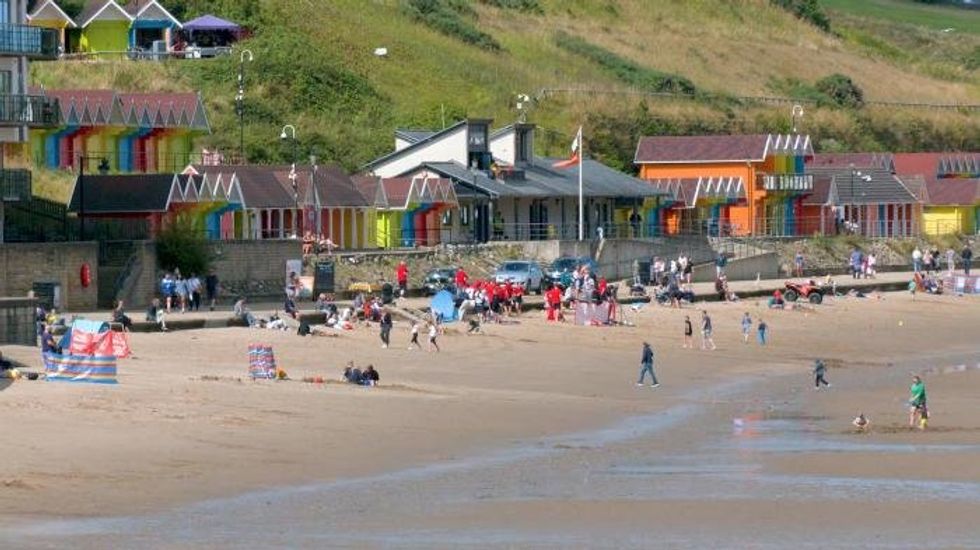
A controversial overnight motorhome and campervan ban along a popular coastal region is set to be made permanent in a blow to thousands of drivers. North Yorkshire Council confirmed the decision after an 18-month trial, which followed an "unprecedented level of complaints" about the number of larger vehicles causing safety concerns. The restrictions, introduced in November 2024, banned overnight parking between 11pm and 7am in hotspots including North Bay in Scarborough and the A174 south of Sandsend. A separate trial in Cayton Bay was scrapped after signs were repeatedly vandalised. TRENDING Stories Videos Your Say More than 3,000 responses were submitted during the consultation, with around two-thirds coming from motorhome owners, the majority of whom opposed the ban. However, among local residents, support was stronger, with 60 per cent backing or strongly backing the plans. Councillor Malcolm Taylor said: "The tourist economy in Scarborough and Whitby is vital to prosperity in the area, but we must try to strike the right balance between all road users. "The trial ban on overnight parking was introduced following an increase in people going on holiday in motor caravans, spending long periods of time in the same place and often taking up several parking spaces." He explained that along with the police, the council had received complaints about anti-social behaviour, including reports of campfires and barbeques, leaving litter and defecating on the grass. Despite widespread opposition, the council insist ed the scheme has worked. "Although most responses opposed the restrictions, we believe the aims of the trial have been reached, and there is enough alternative provision," Mr Taylor said. He added: "It remains that overnight parking brings with it a number of issues that adversely affect the areas, and we have heard from caravan and camping site owners who state that their businesses are impacted if there isn't an overnight ban." Officials explained how the trial also led to motorhomes being displaced into residential parts of Scarborough, and similar restrictions could now be introduced in other areas. Council reports detailed: "Motor caravans are as welcome at seafront parking locations as any other vehicle in the daytime. But extended stays, which usually include overnight parking, restrict the ability of other visitors to find suitable parking when visiting the area for recreation." LATEST DEVELOPMENTS Stonehenge tunnel scrapped by Labour despite £180MILLION being spent - 'Huge blow' Parking operator NCP collapses and places 340 car parks at risk - full list of potential closures Drivers ditch big brands for cheaper Chinese models as net zero plans favour foreign cars It added: "Where there are a large number of motor caravans, the character of the streets can change to resemble a camp site, families/friends in different motor caravans were observed to have parked adjacent one another and were using the highway as a socialising space, sitting using portable chairs and tables, either next to vans or on the opposite footway. " Members of the Scarborough and Whitby area committee have backed making the ban permanent, while also urging the council to explore dedicated facilities for motorhomes. Despite acknowledging that most consultation responses opposed the restrictions, Mr Taylor said the council believes the scheme has achieved its objectives. The council is now also considering extending similar restrictions into residential areas after evidence suggested motorhomes were displaced during the trial. At the same time, councillors have signalled they may explore alternatives, including dedicated motorhome facilities or marked bays, although officers warned that simply charging for overnight parking could "exacerbate" existing problems. The final decision is expected to be discussed at a meeting on March 27 between Mr Taylor and the council's corporate director of environment, Karl Battersby, a move that could cement the controversial policy for the long term. Our Standards: The GB News Editorial Charter