


 Ruptly
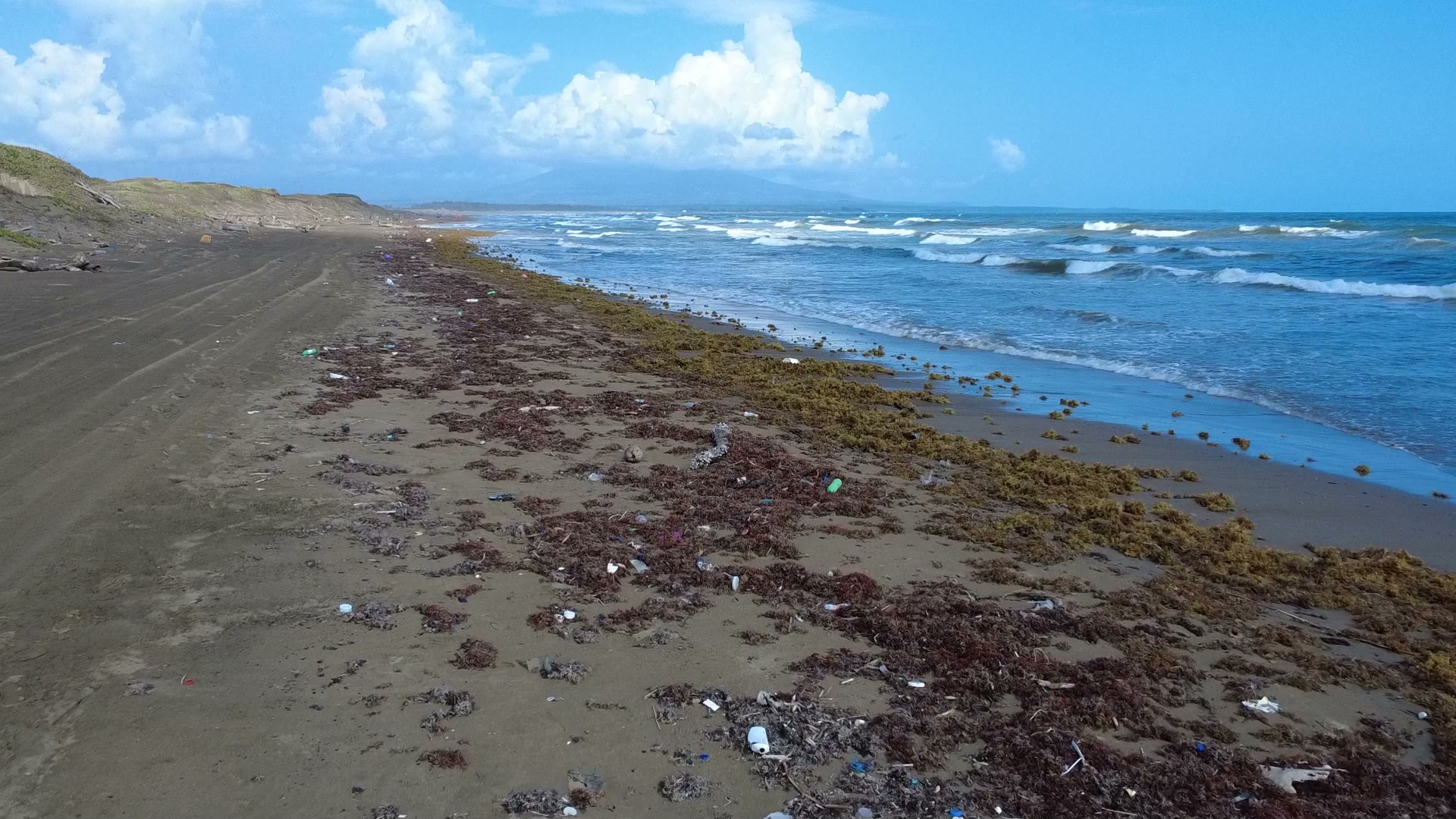
"At the beginning of March, Greenpeace reported the discovery of tar residues in Tabasco and southern Veracruz following an oil spill. According to the organisation, the contamination has since spread across 630 kilometres of coastline, affecting the Southwest Reef Corridor in the Gulf of Mexico. However, the Mexican government estimates that roughly 200 kilometres of shoreline are affected. Footage filmed on Thursday at Barrillas beach in the municipality of Coatzacoalcos shows workers removing tar and sargassum from the sand. Locals say there are not enough personnel to deal with the scale of the cleanup. "They told us they would only use 15 people for the cleanup, and now, as we see along the route, there is a lot of tar all over the beach, and 15 people are not enough," said a former cleaning worker. Another one said that crews are removing tar from the beach every day, but the sea keeps washing more residue ashore, making the cleanup even harder. "This is a chain that is practically affecting all of us, including restaurant owners, fishermen, merchants and the truth is we are being greatly affected because there is no economy," said a merchant. Residents of Barrillas say the tar washing up on the beach leaves a foul smell hanging over the area. "The smell is unbearable from around midday until two or three in the afternoon. Once the sun starts to heat up, you really begin to notice it," said a resident. The government says the spill was likely caused by three separate sources: an unidentified vessel anchored off Coatzacoalcos and two natural seepages, including one in the Cantarell field, according to Navy Secretary Admiral Raymundo Morales. Greenpeace and other NGOs challenge that explanation, citing satellite images they say show a leak near the Pemex-operated Abkatun platform as early as February 6 and accusing the authorities of a lack of transparency. Officials say more than 430 tonnes of hydrocarbon-contaminated waste have been cleared so far, but the impact is still being felt along the coast, with local fishing and tourism badly disrupted just ahead of the Easter holiday season."
Go to News Site