


 Ruptly
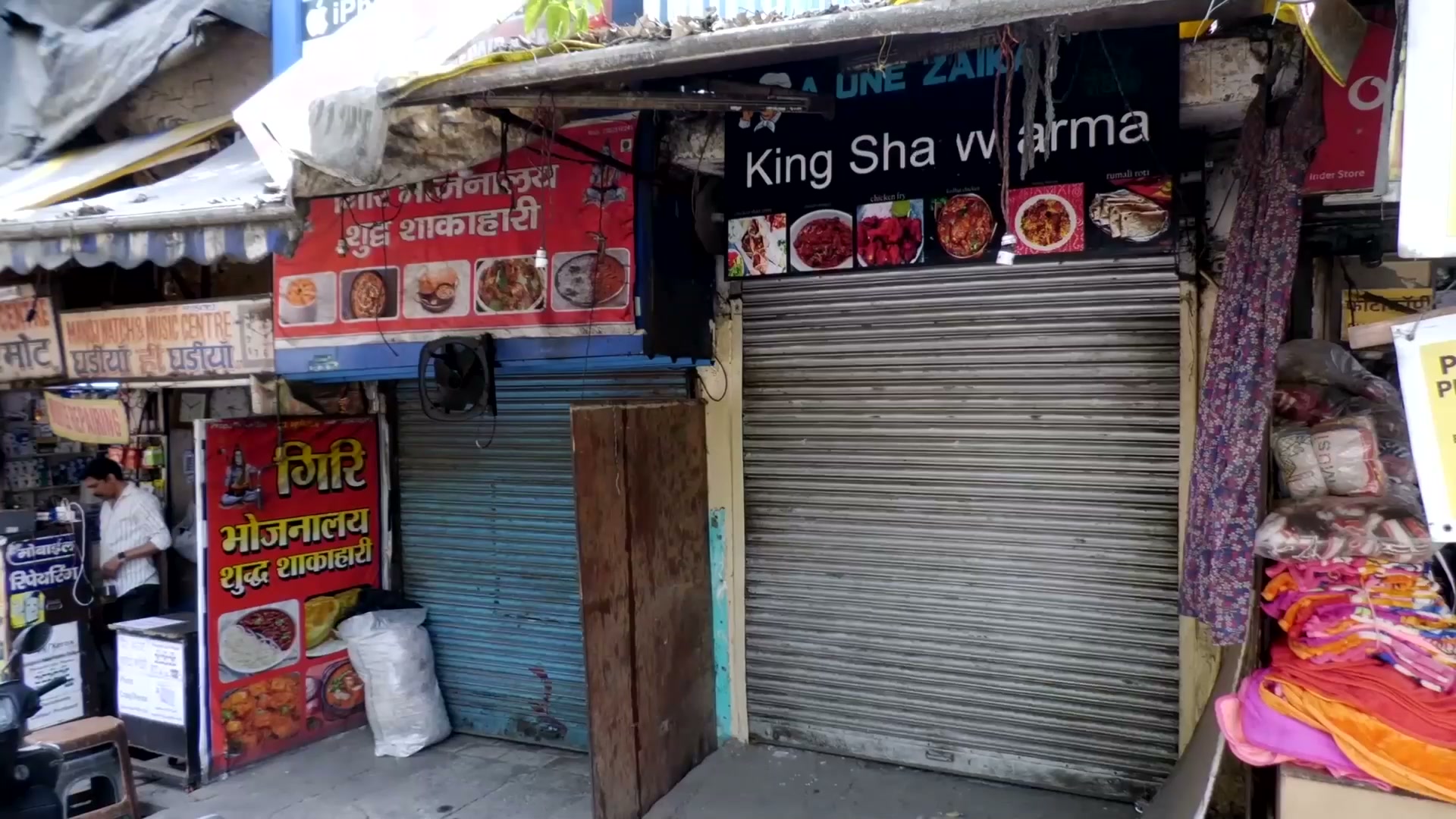
"A shortage of LPG (liquefied petroleum gas) cylinders is causing disruptions to restaurants and small eateries in New Delhi, the capital of India. This has led to many businesses scaling back operations or shutting down entirely due to the Iran-US conflict, which has impacted shipping through the Strait of Hormuz, a crucial route for India's gas imports. Footage filmed on Thursday shows restaurants and dhabas, roadside eateries, shuttered, while some street vendors are seen cooking with coal and wood-fired tandoors. "It's been almost a month since we got the cylinder supplies regularly… We have reduced our staff. We can't make enough food on wood and coal," says Sahil, a dhaba owner. Despite the government announcing a 50 per cent increase in commercial LPG allocation, restaurant owners say supplies remain inconsistent. "It takes a lot of time to work with wood, but it takes less time with gas. It's difficult to make food on wood. There is pollution and other problems," Sahil adds. Mohammed Usman, owner of Pakiza Dhaba, said businesses had been relying on existing stock as new supplies dried up. "Ever since the commercial cylinders were shut down, it has become difficult to work. Only the stock cylinders were running. There were no other options. It's not even possible to buy on the black market," Usman says. He adds the shift to wood and coal also poses some challenges. "The labourers today have no experience. They don't even know how to use wood and coal, and secondly, wood and coal create smoke. It creates problems for the people in the surrounding areas," Usman noted. India reportedly imports nearly 60 per cent of its LPG, with the majority coming from West Asian suppliers, with most shipments routed through the Strait of Hormuz. The conflict, which was triggered by US and Israeli strikes on Iran on February 28, has disrupted shipping routes, including the Strait of Hormuz, and pushed oil prices above 100 USD per barrel, increasing pressure on global markets. After the Strait of Hormuz was closed, the Indian Navy deployed more than half a dozen warships in Operation Sankalp to ensure the safe passage of Indian-flagged tankers. On Monday, they successfully escorted several vessels, including the Pine Gas and Jag Vasant. Despite widespread disruption to global shipping, the operation was successful. To keep refineries operating despite limited Middle Eastern supply, the Indian government also obtained a temporary 30-day waiver on sanctions from the US Treasury on March 6, allowing them to purchase and unload millions of barrels of Russian crude that were already at sea. This was a crucial stopgap measure while traditional routes remained uncertain."
Go to News Site