


 Ruptly
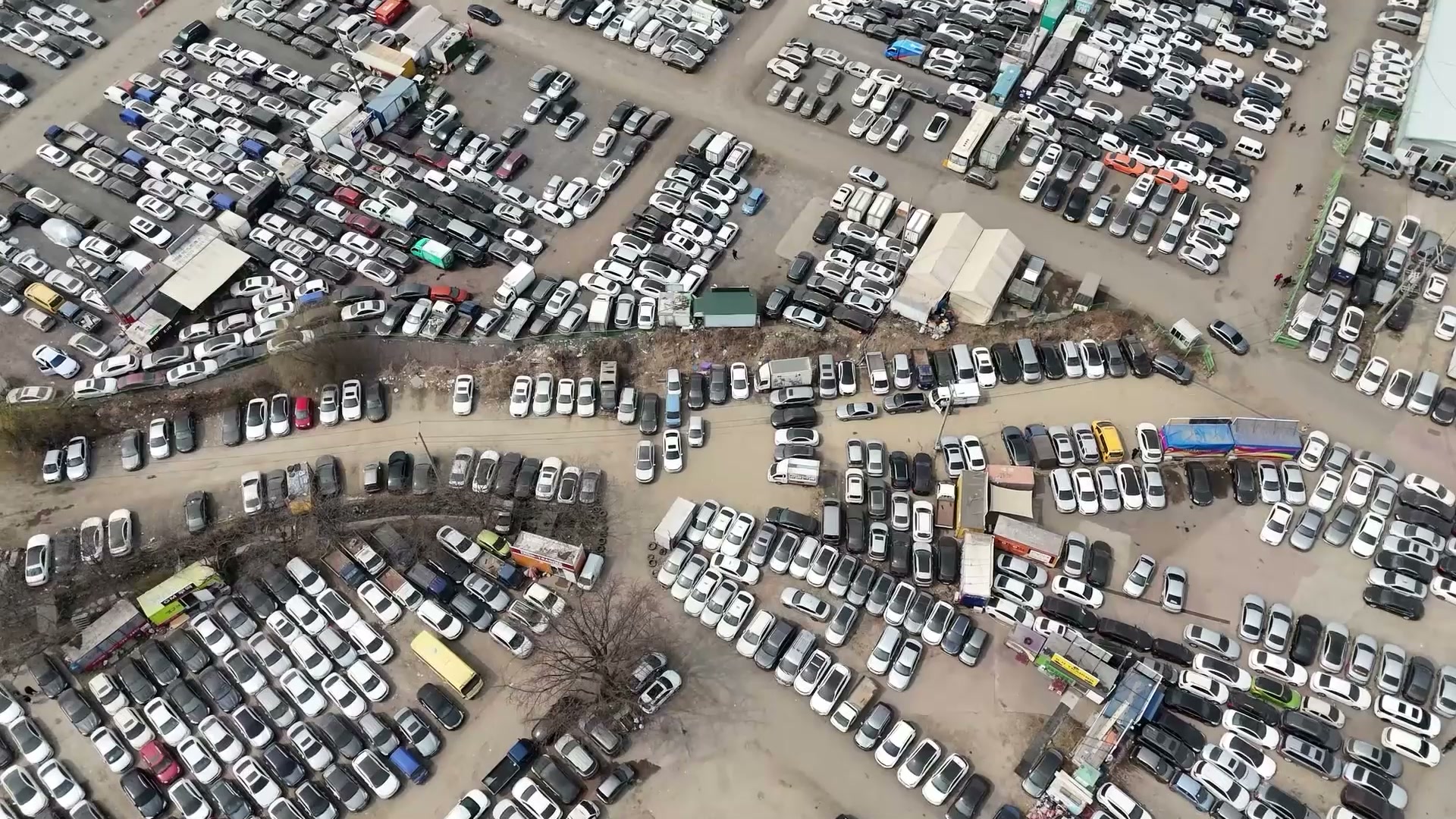
"Thousands of used cars are sitting idle in export yards in Incheon, as the ongoing conflict in the Middle East is disrupting global shipping routes and sharply increasing freight costs. Footage shows vast parking lots packed with vehicles of all types, many unable to leave port as container rates surge and logistics chains falter. Exporters said shipping costs have more than doubled since the conflict began, making it difficult to send vehicles to key markets across the Middle East, South Asia, and Africa. "Shipping costs have increased too much, so we can't even load containers right now," exporter Lee Hwa-so said. "Bulk shipments are currently the biggest problem." Industry players also point to growing financial pressure from volatile exchange rates, which are squeezing margins and forcing sellers to lower purchase prices for vehicles domestically. "The only way for prices to fall is if the war situation improves and shipping volumes recover," Jeon Myung-joong, CEO of Seochang Trading، said. "We are trying to hold on by asking for more time wherever possible. It would help a lot if the conflict is resolved quickly and more container ships start operating again, which would bring freight costs down," he added. The disruption comes at what is usually a peak export season for the Republic of Korea (ROK), slowing activity at major ports and leaving a backlog of vehicles in storage. Some ships have delayed or diverted routes to avoid high-risk zones, further complicating deliveries. The crisis is compounded by rising oil prices and new fees imposed by shipping companies, including emergency conflict surcharges and war risk premiums that add thousands of dollars per container. It stems from widening regional conflict triggered by US and Israeli strikes on Iran on February 28, which has disrupted traffic through the Strait of Hormuz, a key route for global energy and trade. With Japan and ROK exporting around $19 billion worth of used cars annually, exporters warn that prolonged instability could have lasting impacts on one of the region’s key trade sectors."
Go to News Site