


 Ruptly
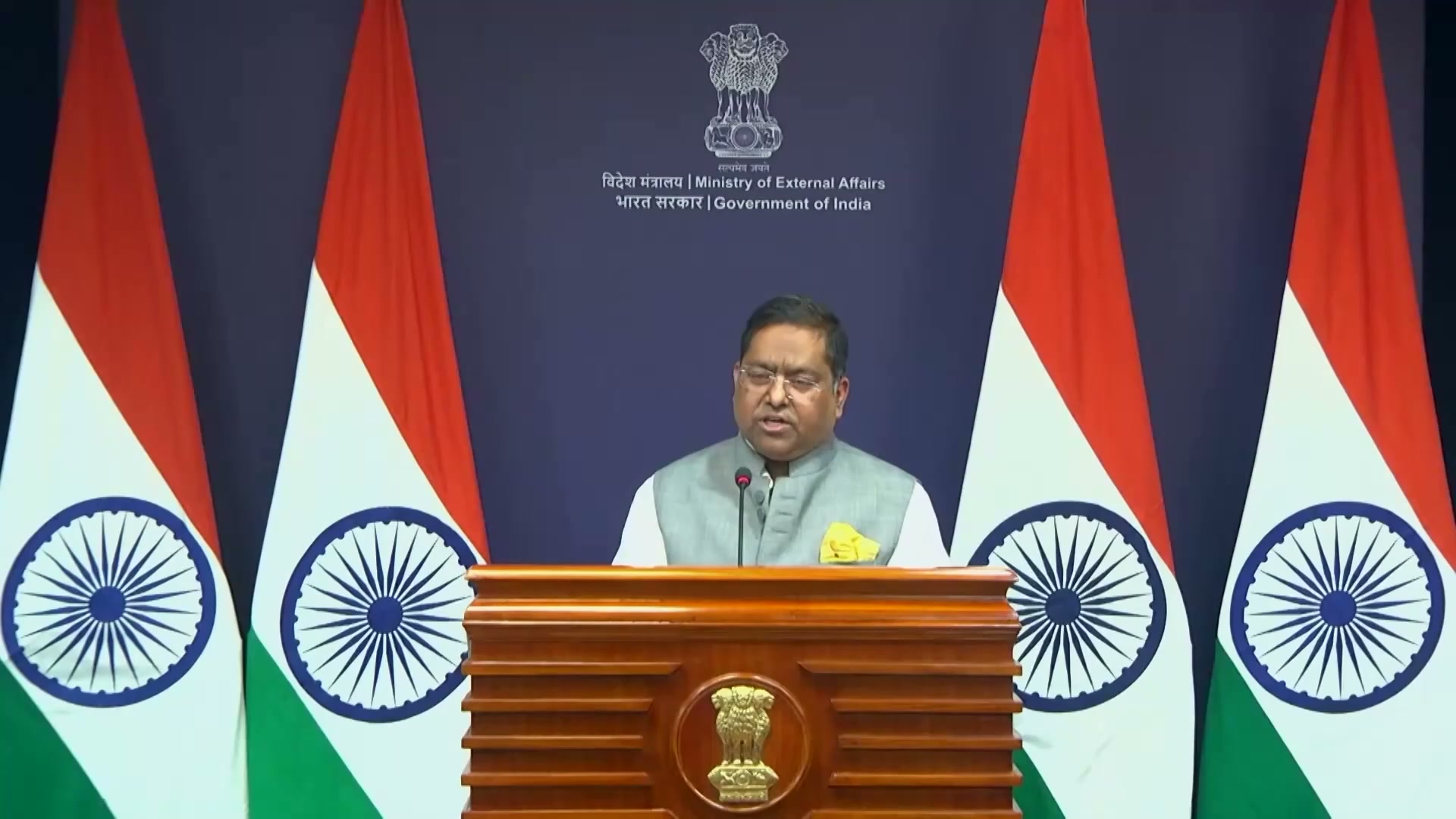
"Indian Foreign Ministry spokesperson Randhir Jaiswal explained that BRICS nations are liaising to ensure the flow of energy resources through the Strait of Hormuz. Speaking in Delhi, Jaiswal confirmed that member states remain in “ongoing conversation with BRICS members on the ongoing conflict in West Asia. As you're aware, some of the BRICS members are also involved directly in the conflict.” Despite the volatility, Jaiswal confirmed that four Indian ships carrying liquefied petroleum gas (LPG) have safely crossed the Strait in recent days, underscoring New Delhi’s urgent push to secure energy supplies for its 1.4 billion population. India, which currently chairs BRICS, has been engaging partners amid growing concerns over maritime security and supply chain disruptions. He reflected on the impact of multilateralism promoted by the bloc while the war, triggered by joint US and Israeli strikes on Iran on February 28, has placed the strategic strait, which handles roughly 20 percent of global oil traffic, at the centre of geopolitical tensions. Tehran has warned that the waterway remains open only to ‘friends and non-hostile countries'. “This is the BRICS way of working, which is based on consensus. And for that reason, because we have differing opinions, it has been difficult for us to forge a particular consensus on this particular conflict,” he explained. Iran, Saudi Arabia and the UAE are now full BRICS members, however Tehran has carried out retaliatory strikes against targets in the Emirates and Saudi Arabia, which it says are defensive measures against US military assets used to strike Iran. “We are closely following all developments,” Jaiswal said, stressing that ensuring “safe and free navigation” through the Strait of Hormuz remains a top priority — not only for India, but for global energy stability. The disruption has already rattled markets and supply chains worldwide, with countries increasingly scrambling to secure fuel shipments and explore alternative routes. Indian Prime Minister Narendra Modi has recently announced measures to manage the long-term impact on fuel, supply chains and inflation, while promoting a shift to piped natural gas. India is heavily dependent on the Strait of Hormuz, a critical chokepoint through which 40 to 50 percent of its crude oil imports pass, alongside a massive supply of liquified natural gas (LNG) from Gulf nations."
Go to News Site