


 Axios
Axios
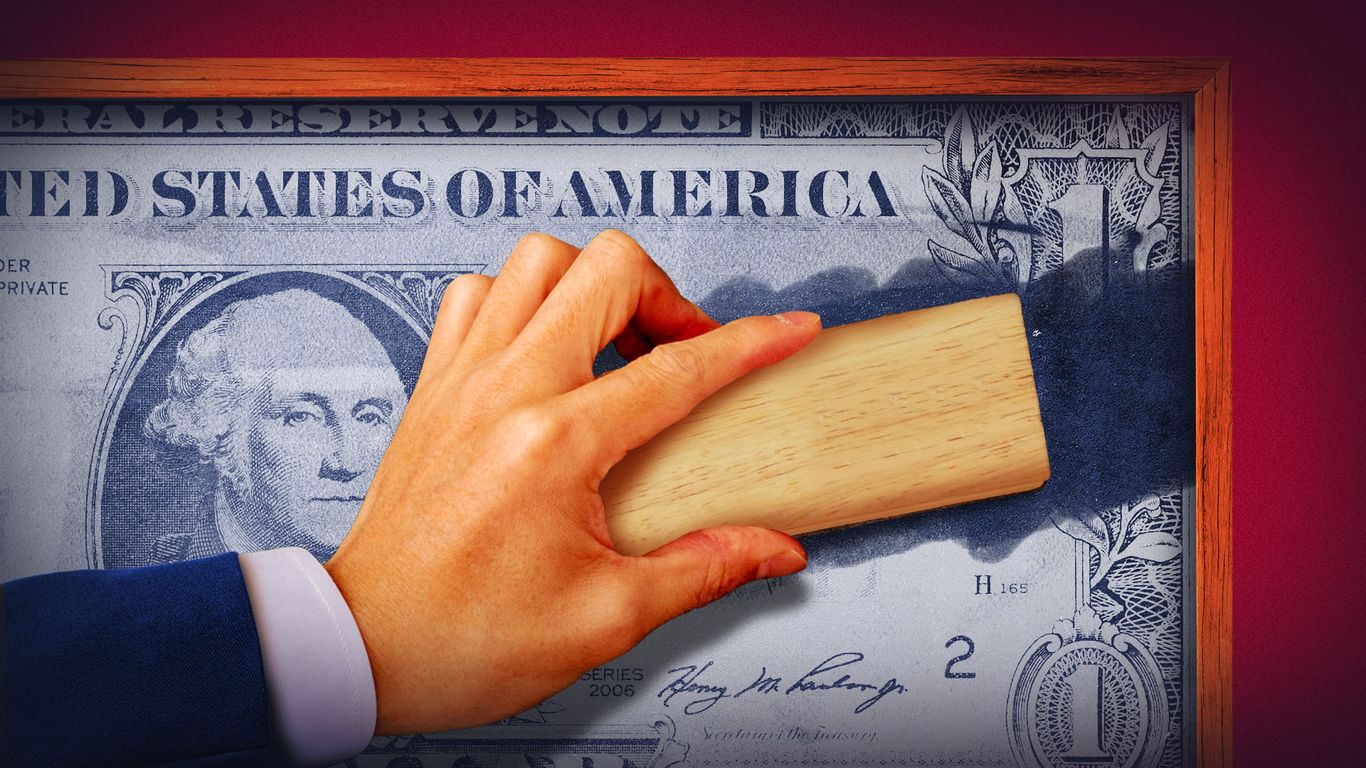
President Trump 's signature is set to appear on U.S. currency — a first for a sitting president — as Americans use physical cash less than ever. Why it matters: Cash still carries outsized symbolic power — even as its role in everyday payments shrinks. Driving the news: The Treasury Department plans to put Trump's signature on all new U.S. paper currency, tied to the nation's 250th anniversary in 2026. Traditionally, U.S. bills carry the signatures of the Treasury secretary and treasurer — not the president. State of play: Cash accounts for just 14% of U.S. payments, per the Federal Reserve . Americans make about seven cash payments a month out of roughly 48 total. Even when it's used, cash is often a fallback — two-thirds of cash payments come from people who prefer cards. Meanwhile , making exact change is getting harder. Trump ordered the Treasury in February 2025 to stop making new pennies , calling it a way to "rip the waste out of the budget." The U.S. Mint struck the last circulating penny in November. Yes, but: Not all cash isn't disappearing — and in fact its role has stabilized. It's use has leveled off in recent years, suggesting a "floor," according to Federal Reserve data. And more than 80% of Americans use cash at least occasionally, underscoring its staying power. The big picture: The Trump signature plan is part of a broader push to reshape how Americans think about money — even as physical money itself is changing. A federal panel recently approved a 24-karat gold commemorative coin featuring Trump's image. What's next: The first $100 bills with Trump's signature are expected to be printed in June, Reuters reported, followed by other bills in subsequent months. It could take weeks for the new bills to circulate through banks — even as fewer Americans use cash. More from Axios: Exclusive: Starbucks data shows Americans loading up with protein Amazon adds FedEx Office to growing returns network USPS proposes fuel surcharge as Iran war drives up shipping costs
Go to News Site