


 Ruptly
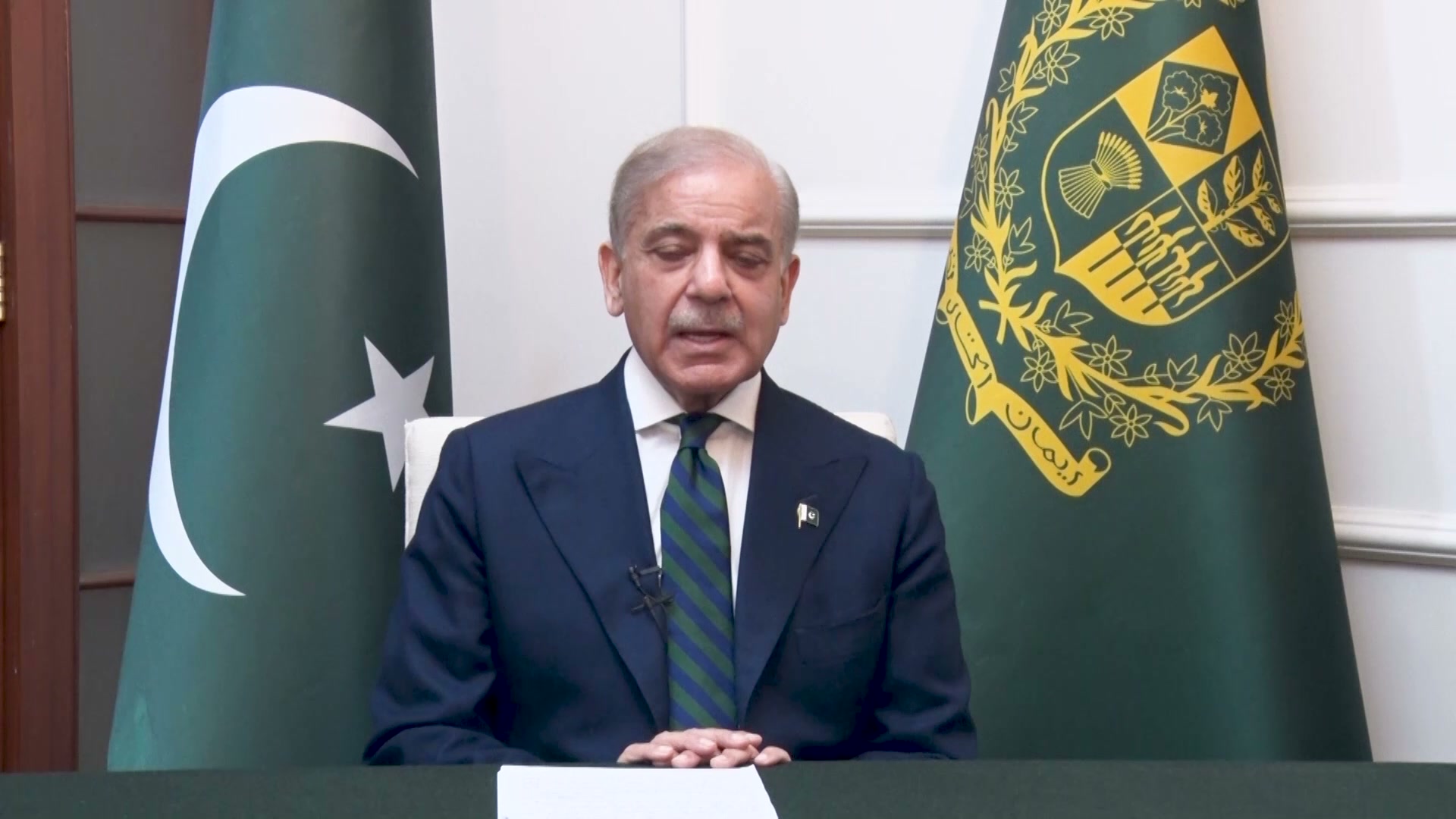
"In a televised address on Friday, Pakistani Prime Minister Shahbaz Sharif emphasised his government's efforts to tackle economic challenges caused by the global energy crisis, which has been intensified by escalating tensions in the Middle East. "Today austerity is not an option, but it is a collective responsibility for us. Prices have doubled in the whole world; there are long queues at the petrol pumps there. Governments there are helpless while the prices are unbearable for the common people," Sharif stated. While 'developed countries that have huge resources are facing the worst economic crisis', he affirmed that his government has anticipated the economic strain and acted quickly to control price increases. Citing an example, he noted that the 'realistic' price of petrol per litre in Pakistan should be Rs. 544, but it is currently only Rs. 322. Sharif urged citizens to support the comprehensive working plan, asserting, "By the grace of Allah and by the unity in the nation, we will emerge from this devastating storm of inflation with our heads held high, God willing." Earlier, Islamabad had announced 'austerity measures' in response to regional instability and its impact on global energy supplies. Those reportedly included cutting fuel allocation for government vehicles by half, taking 60 per cent of the official fleet off the road, closing schools for two weeks, and shifting to online learning during that period. On the diplomatic front, Sharif highlighted Pakistan's role in pushing for regional peace, stating, "Pakistan is sincerely making efforts on diplomatic levels to stop the war by mediation so that the region and brotherly Islamic countries can avoid the negative impact of destructive war. Durable peace will only be possible with collective efforts and wisdom." Islamabad has offered to host negotiations aimed at ending the conflict between the US and Israel on one side and Iran on the other. Tensions across the Middle East surged after the US and Israel carried out a joint military operation against Iran on February 28, during ongoing discussions over Iran’s nuclear and missile programmes. Iran struck back with retaliatory attacks on Israel and US targets in the region, with reports of explosions in several Gulf countries. Iran also announced the death of Supreme Leader Ali Khamenei on the first day of the conflict, naming his son Mojtaba as his successor. The conflict spilt over into Lebanon as Hezbollah intervened 'in revenge' for the assassination of the Iranian Supreme Leader. The group said it had launched attacks in response to 'continued Israeli aggression' against Lebanon. Earlier this week, Trump said he had held 'very good talks' with a 'high-ranking figure' in Iran, identified by media as Iranian parliament speaker Mohammad Ghalibaf, though Ghalibaf denied such a conversation. Iran's foreign ministry also rejected reports of negotiations."
Go to News Site