


 The Huffington Post
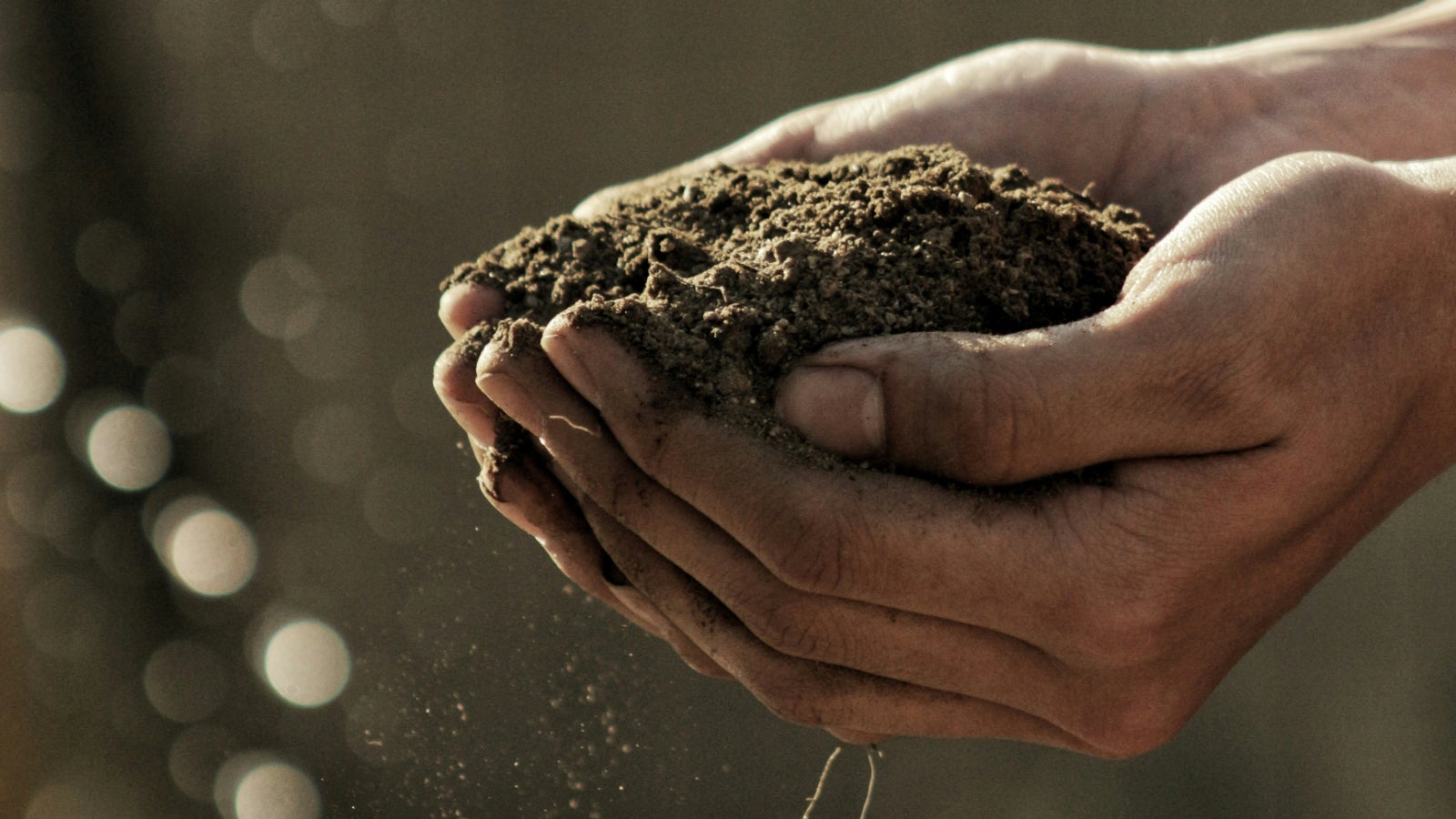
It’s one thing running a garden on well-aerated (but never dusty), easily compacted (but not too heavy) soil. But it’s rare that the stars perfectly align; the UK’s soil, which is increasingly degrading, may run a little too chalky or clay-heavy in your backyard. Here, we’ll share the types of soil in the UK and the best plants for each of them. What types of soil are there? The main types of soil in the UK are: Chalky, Clay, Loamy, Peaty, Sandy, Silty. The type of soil is determined by its particle size . Clay particles are less than 0.002mm; silt is 0.002-0.05mm; sand is 0.05-2mm, and stones are larger than 2mm. Most soil is a combination of different soil particles. Which soil do I have? To count as a “clay” soil, the earth has to contain 25% or more clay particles. These are fertile, but drain slowly and can be compacted quite easily; they take a long time to warm up, and may “bake” in summer. They get sticky when wet. Chalky soils tend to be stony as they often lie over a limestone bedrock. They usually drain quite freely and are typically alkaline. If your soil froths when you put it in a jar of vinegar, it’s probably high in chalk. Sandy soils retain little moisture, which is great for draining after rain but a little tougher to work with during hot weather. They feel gritty to the touch. Loamy soils are often considered “the perfect soil type” as they contain a mixture of clay, sand, and silt. That makes them easy to work with and able to hold on to water without running waterlogged. They’re usually high in nutrients. Peaty soils can be acidic and hold a lot of water, though they’re also high in nutrients. They’re not usually found in gardens, though. And silty soils, while easily compacted, usually drain well and are quite fertile. They typically have medium-sized particles, which help them to retain moisture. They rarely clump and feel a little slippery. Soil-testing kits can help you work out the nutrient content of your soil. What are the best plant types for each soil? Some examples include: 1) Clay soils Roses Hydrangea Hardy geraniums Mahonia Foxglove Tomato Cabbage Squash Green beans Lettuce. 2) Chalky soils Geranium Clematis Lavender Yarrow Rosemary Globe thistle Crab apple trees. 3) Loamy soils Wisteria Geranium Day lily Dogwood Summer bulbs Roses Peony Tomato Lettuce Carrots Beans Cucumbers Strawberries. 4) Peaty soils Rhododendrons Azaleas Heather Magnolias Brassicas Radishes Potatoes. 5) Sandy soils Tulips Lavender Buddleja Hardy fuchsia Carrot Courgette Alliums Radishes. 6) Silty soils Willows Ferns Dogwoods Astilbe Cistus Lettuce Chard Green beans. What if my soil is new and/or very shallow? Wildflowers do exceptionally well on very new, thin soil, gardener and writer Arthur Parkinson previously told HuffPost UK . “Perennial wildflowers like ox-eye daisy you can sow onto very poor soils, and they will establish well from being sown in the early autumn. Annual chamomile and cornfield poppies will thrive too if their seed is sown in spring,” he said. Related... A Biodiverse Garden Is Easier To Keep, Better For The Planet, And Could Make Us Happier The Important Pruning Rule Monty Don Wants UK Gardeners To Follow In March UK Gardeners Urged Not To Make 8 Mistakes In Heavy Rain
Go to News Site