


 Ruptly
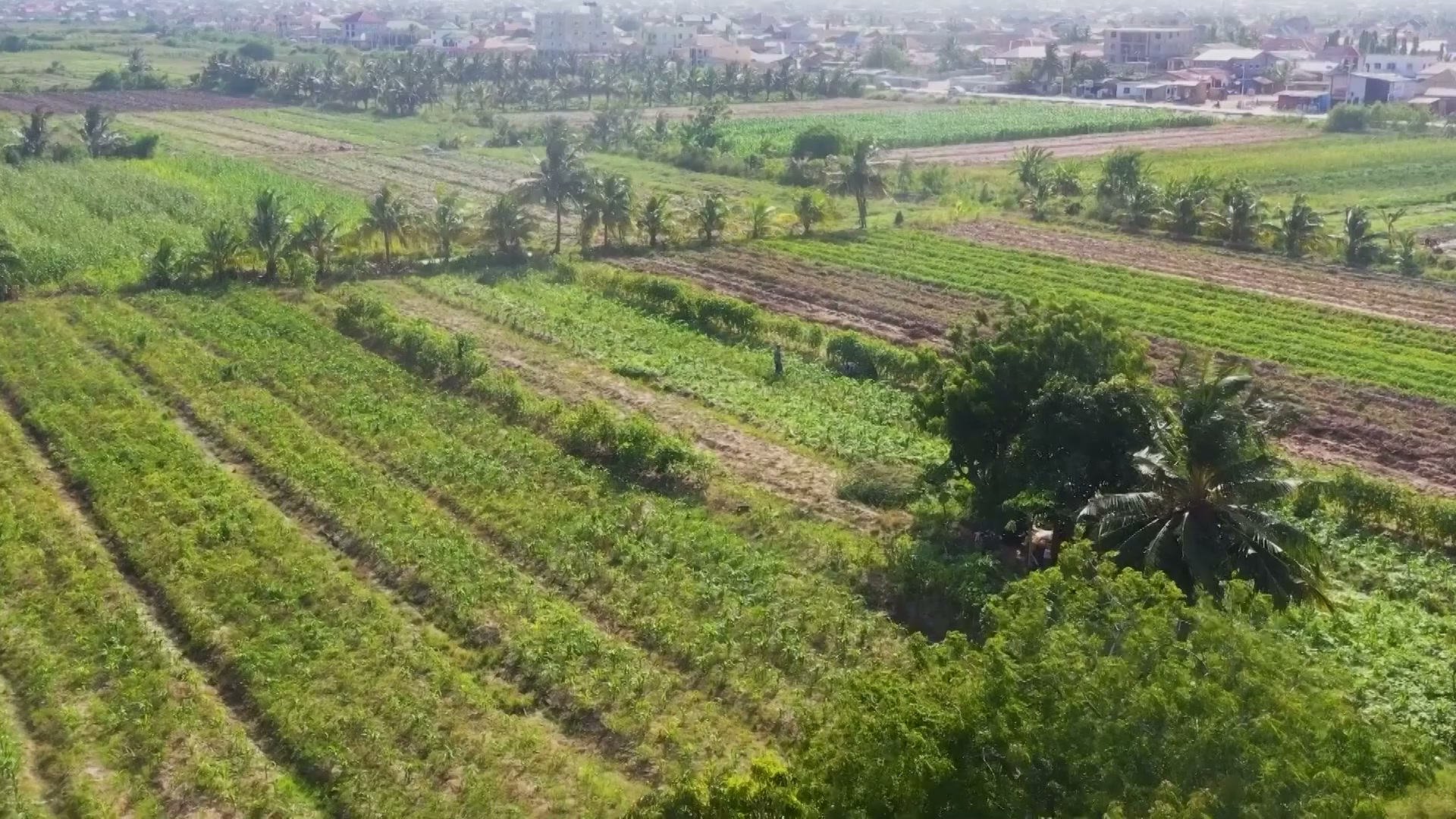
"Ghanaian farmers’ harvests are under intense pressure, amid reliance on imported artificial fertilisers at a time of soaring global prices triggered by the ongoing conflicts around the globe. Footage shows farmers working on their farmland and sorting hay, while locals are seen in the bustling markets in Accra. "We are dependent on artificial fertiliser and shortages will create a big problem. And if we are not able to access it, we don’t have a yield," said local farmer Mallam Affan. He noted that the problem of shortages have been worsening since 2020. "In 2023, it got worse. No fertiliser, and if you can get it at all the prices have since been rocketing such that we cannot afford it," he explained. Affan explained that a new government policy providing free fertiliser provided some relief last year, while some farmers are resorting to using crop bi-products to produce fertilizer locally. According to agrarian advocate Edward Kareweh, local fertiliser manufacturing projects remain in their infancy, with output still low. "As it stands now, Ghana is overly dependent on imported chemical fertilisers," he said. He further explained, "Apart from that, now that fertiliser prices have gone up at the international level, it means we have to cough more foreign exchange to be able to import the fertiliser." Farmers in Accra and surrounding areas have faced a multifaceted crisis since early 2026, driven by high input costs, a severe cocoa sector decline, environmental threats, and logistical hurdles. The World Bank has warned that the ongoing Middle East conflict is pushing fertiliser prices to levels that threaten food security across Africa. The warning was delivered directly to Ghanaian civil society groups in Accra as the country enters a critical planting season. Since joint US-Israeli strikes on Iran on February 28, fertiliser prices have surged sharply. The cost of urea in Egypt, a key benchmark for nitrogen fertiliser, has risen to around $700 per metric tonne from $400–$490 before the conflict. Ammonia prices have increased approximately 24 percent, from $495 per tonne in late February to over $600 per tonne by mid-March."
Go to News Site