


 Joy 99.7 FM
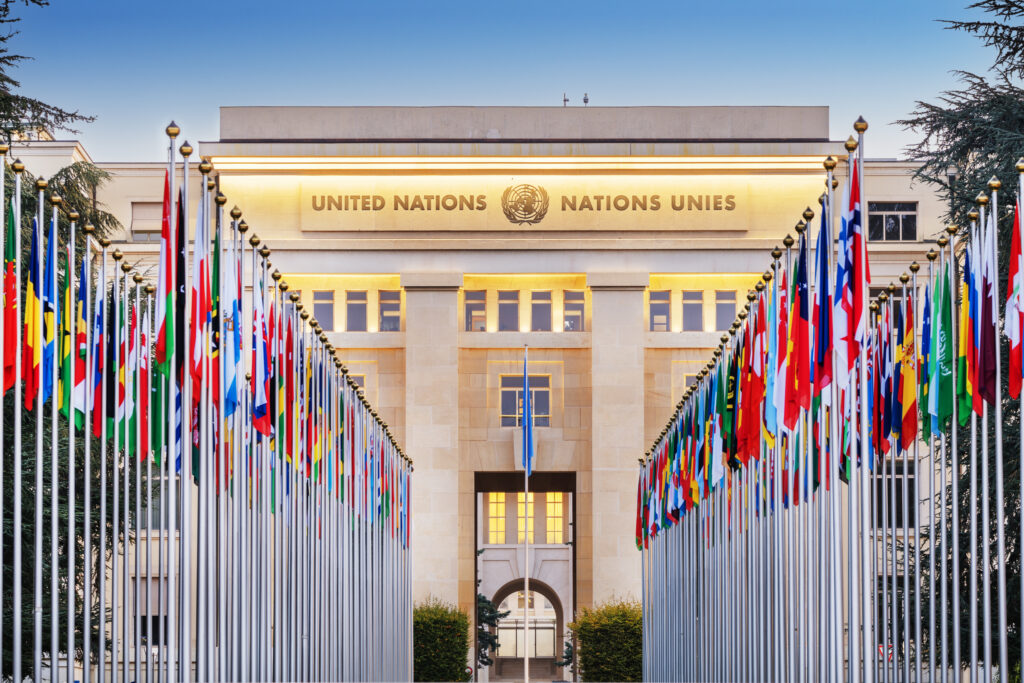
On March 25, 2026, the United Nations General Assembly adopted a landmark resolution declaring the trafficking of enslaved Africans and the system of racialized chattel enslavement to constitute the gravest crime against humanity. The motion, boldly tabled by the Ghanaian President, John Dramani Mahama and supported by a broad coalition of African and Global South states, represents one of the most significant normative developments in the international legal discourse on historical injustice and reparatory justice. Historical injustice because the transatlantic slave trade, also known as the triangular trade, existed for over three hundred and forty years, (from 16th to the 19th century, approximately 1526-1867) in an era of exploitation, violence and dehumanization of enslaved Africans. Reparatory justice is crucial in repairing the harm caused to human society and to prioritize the healing and make amends. Although adopted as a “non-binding resolution” (not imposing enforceable obligations on any state, including those that voted in favour), its legal and political implications are profound and far-reaching. Legally speaking, only Security Council decisions under Chapter VII of the UN Charter create binding obligations.
Go to News Site