


 Business Recorder
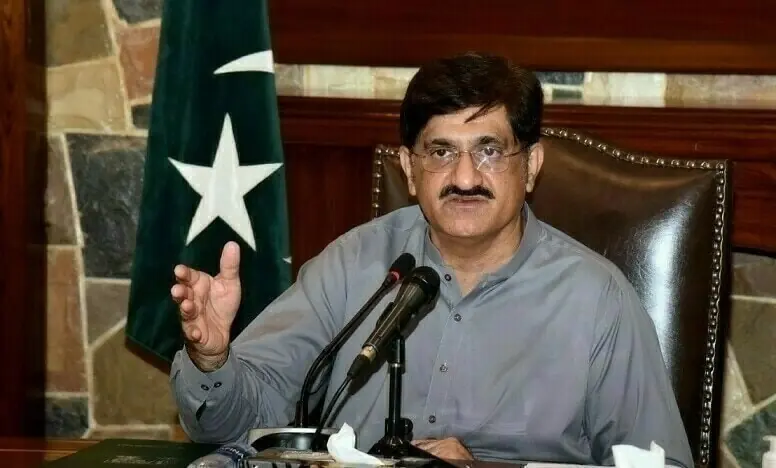
KARACHI: Sindh Chief Minister Syed Murad Ali Shah on Thursday chaired a provincial cabinet meeting that approved a wide-ranging reforms agenda covering health, education, transport, governance, and development projects. Key decisions included new legislation for Jinnah Postgraduate Medical Centre (JPMC) and the National Institute of Child Health (NICH), a centralised postgraduate medical residency policy, amendments to technical and higher education laws, revival of the Karachi BRT Red Line Lot 2 through direct contracting, and approval of multiple development and welfare initiatives. The cabinet also approved the transfer of the Sindh Business One Stop Shop (SBOSS) to the Sindh IT Company, a relaxation in the annual fishing ban, wheat procurement measures, and an agreement to extend Sindh’s autism rehabilitation expertise to Islamabad. The meeting at CM House was attended by provincial ministers, advisers, the chief secretary, and senior officials. Sukkur development and prison funding: On the recommendation of the Finance Committee, the cabinet approved two development projects for Sukkur with an initial allocation of Rs80 million. The first project involves upgradation of the Shaheed Mohtarma Benazir Bhutto Wellness and Recreational Park for Rs228.50 million. The second allocates Rs110.346 million for a dedicated ladies’ block at the Mir Masoom Shah Library, affiliated with the Digital British Council Library. Separately, the cabinet approved over Rs916 million for prisons under jails’ feeding and diet charges for the current financial year. JPMC and NICH management law: The cabinet approved the “JPMC and NICH Operation and Management Act, 2025” following the transfer of both institutions from the federal government to Sindh under an operations and management agreement. The law formalises provincial control, standardises recruitment of executive directors, and introduces a mechanism for removal based on performance or incapacity. The governing board will include a federal Ministry of NHSRC representative to maintain coordination. The bill will now be tabled in the Sindh Assembly. Health and procurement reforms: To ensure uninterrupted supply of medicines, the cabinet approved continuation of the Electronic Provincial Procurement Data System (EPADS) framework for 2026–27. It also approved the Sindh Post Graduate Residency Policy, 2026, aimed at centralising postgraduate medical admissions across public medical institutions to eliminate fragmented induction systems. Transport and infrastructure: The cabinet approved direct contracting of the Frontier Works Organisation (FWO) for Lot 2 of the Karachi BRT Red Line after termination of the previous contractor due to delays. Officials said the move is aimed at accelerating a long-delayed mass transit project critical for Karachi’s transport network. Governance and digital reform: The cabinet approved transfer of SBOSS operations to the Sindh IT Company to improve efficiency and digital service delivery. It also approved a 15-day relaxation in the annual fishing ban to support fishermen during the upcoming season. Education sector amendments: The cabinet approved the STEVTA Amendment Bill, 2026, introducing mandatory registration of all technical and vocational institutions in Sindh to improve oversight and standardisation. Copyright Business Recorder, 2026
Go to News Site