


 The Huffington Post
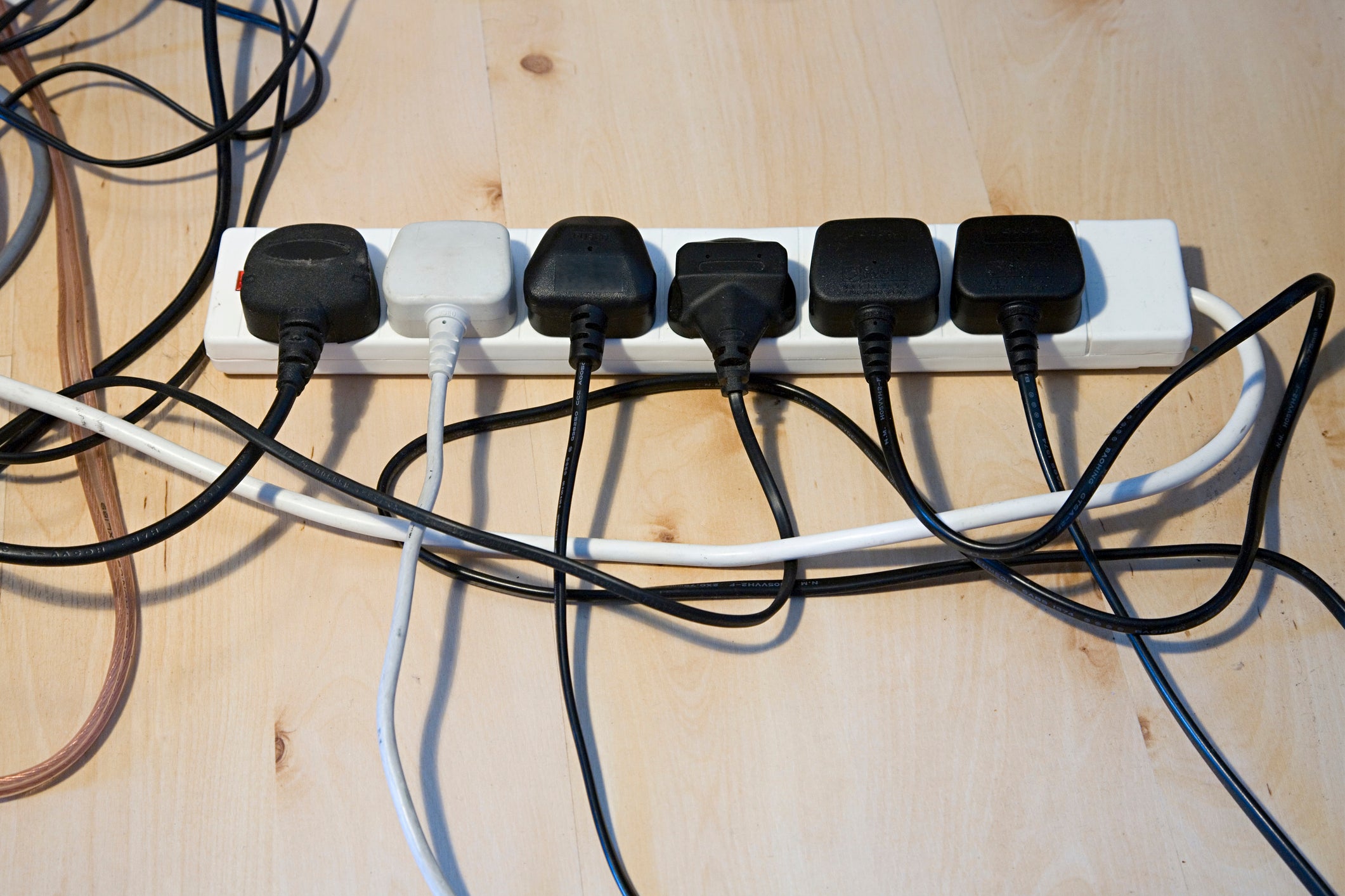
I’ll be the first to admit I assumed you could plug most things into an extension lead – but it turns out, I was wrong. Plugging in certain appliances could be a major fire hazard, according to safety experts. In the UK, around 7,000 house fires are caused by faulty electrics, appliances, wiring and overloaded sockets every year. Some common household appliances can take too much power for a standard extension lead to handle safely. According to The LED Specialist , the riskiest items to plug into extension leads are kettles, electric heaters and toasters. The reason comes down to wattage. Kettles can draw around 3,000 watts of power, electric heaters can match or even exceed that figure, and toasters typically pull between 800 and 1,500 watts, the experts said. When multiple high-wattage devices are running through a single extension lead at the same time, the combined load can quickly exceed what the lead can safely handle. In April, Lancashire Fire and Rescue Service shared on social media that they’d attended a call where an electric heater had been plugged into an extension lead, which began overheating. “Thankfully, the fault was found before a fire started,” they said, adding that extension leads aren’t safe for high-powered items such as heaters, electric fires, or large kitchen appliances. It goes without saying then that plugging your washing machine or tumble dryer into an extension lead is not a good idea either. Oliver Nichols, from The LED Specialist, said: “People often don’t realise how much current these devices pull, and when you combine more than one on a single lead, you’re creating a real fire risk.” Experts say these devices should always be plugged directly into a wall socket instead. Check your extension lead is safe Another issue to consider when plugging in appliances is whether the extension lead you’re using is safe. Experts warn some of these products can be missing the important safety markings and built-in fuses that UK-standard leads are required to carry. According to BEAMA – the trade association for energy infrastructure and systems – extension leads should be CE marked (otherwise they’re deemed non-compliant). You should also check there are no imperfections in the plastic mouldings, that it doesn’t rattle when you shake it, that there are no signs of damage to the cable or plug, and that the cable length is as advertised. “If your extension lead doesn’t carry the appropriate safety markings, there’s no guarantee it will cut out before overheating. That’s when you move from an inconvenience to a genuine fire hazard,” said Nichols. And if you’re regularly relying on extension leads throughout your home, it might be worth getting a qualified electrician in to add more sockets. Related... This Is How Much Household Appliances Cost To Run Per Hour The Safety Reason You Should Always Flip Your Luggage Tag This 1 Common Phone Charger Habit Could Actually Be A Major Safety Hazard
Go to News Site