


 GB News
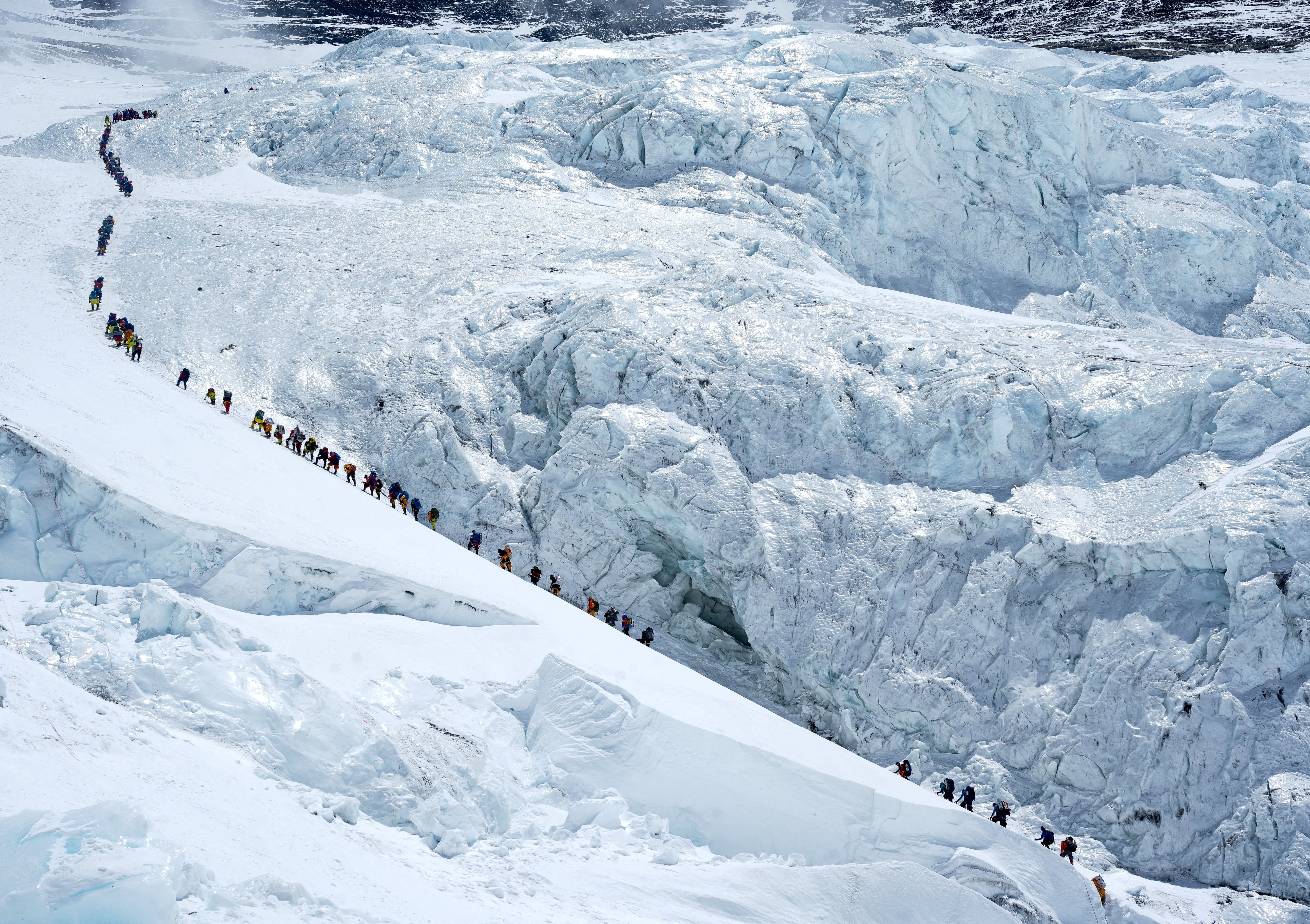
Queues of tourists have clogged Mount Everest's "Death Zone" as a record number of climbers scale the mammoth peak. Some 274 climbers reached the summit from Nepal's south side on Wednesday, surpassing the previous single-day record of 223 successful ascents, which was set back in May 2019. Huge queues formed in the mountain's notorious "death zone" as climbers waited in line wearing full gear. The death zone refers to altitudes exceeding 26,000 feet where oxygen levels become dangerously low. Photographs and footage captured dozens of mountaineers standing in rows, waiting for those ahead to plough on. Favourable weather conditions combined with lengthy waiting lists drove the unprecedented numbers this climbing season. A massive 100-foot ice block shut down the climbing route back in April, driving waiting times to balloon significantly. Specialists known as "ice-fall doctors" spent several weeks clearing a safe passage through the obstruction. The route finally reopened on May 13 after the dangerous serac was removed. A spokesman from the Nepalese Department of Tourism said: "A major obstruction a large unstable ice serac in the Khumbu Icefall has been safely addressed following detailed assessment and adherence to safety protocols. "As climbers navigate the route, utmost caution is urged, particularly in the serac-affected section. Wishing all a safe ascent." The delay created a substantial backlog of climbers eager to attempt the summit. LATEST HEADLINES FROM GB NEWS: Andy Burnham says Labour 'not good enough' under Keir Starmer as he launches Makerfield campaign Police assessing possible sexual offences in Andrew investigation Nepal granted nearly 500 climbing permits this year, but the window for attempts runs only from late April to the end of May. British expedition leader Tim Mosedale, who has summited Everest seven times, blamed the congestion to the sheer number. "The main reason for the queues is simply that there are more people climbing the mountain," Tim Mosedale told The Telegraph. The veteran mountaineer with 25 years of Himalayan experience cited social media as a driving factor with "more and more people with a drone and an Instagram account who are looking for content". But he warned "unfit or incompentent" people risk the lives of Sherpas, adding: "There are a lot of people who are out of their depth, who don't realise how close to the edge of safety they are." Wealthy climbers demanding additional oxygen tanks are adding to the congestion, as each canister must be carried up by a Sherpa. An Everest ascent with supplementary oxygen costs between £52,000 and £72,000 per person. Reports have also emerged of guides allegedly poisoning climbers to trigger fake medical emergencies and claim helicopter rescue insurance payouts. Our Standards: The GB News Editorial Charter
Go to News Site