


 The Huffington Post
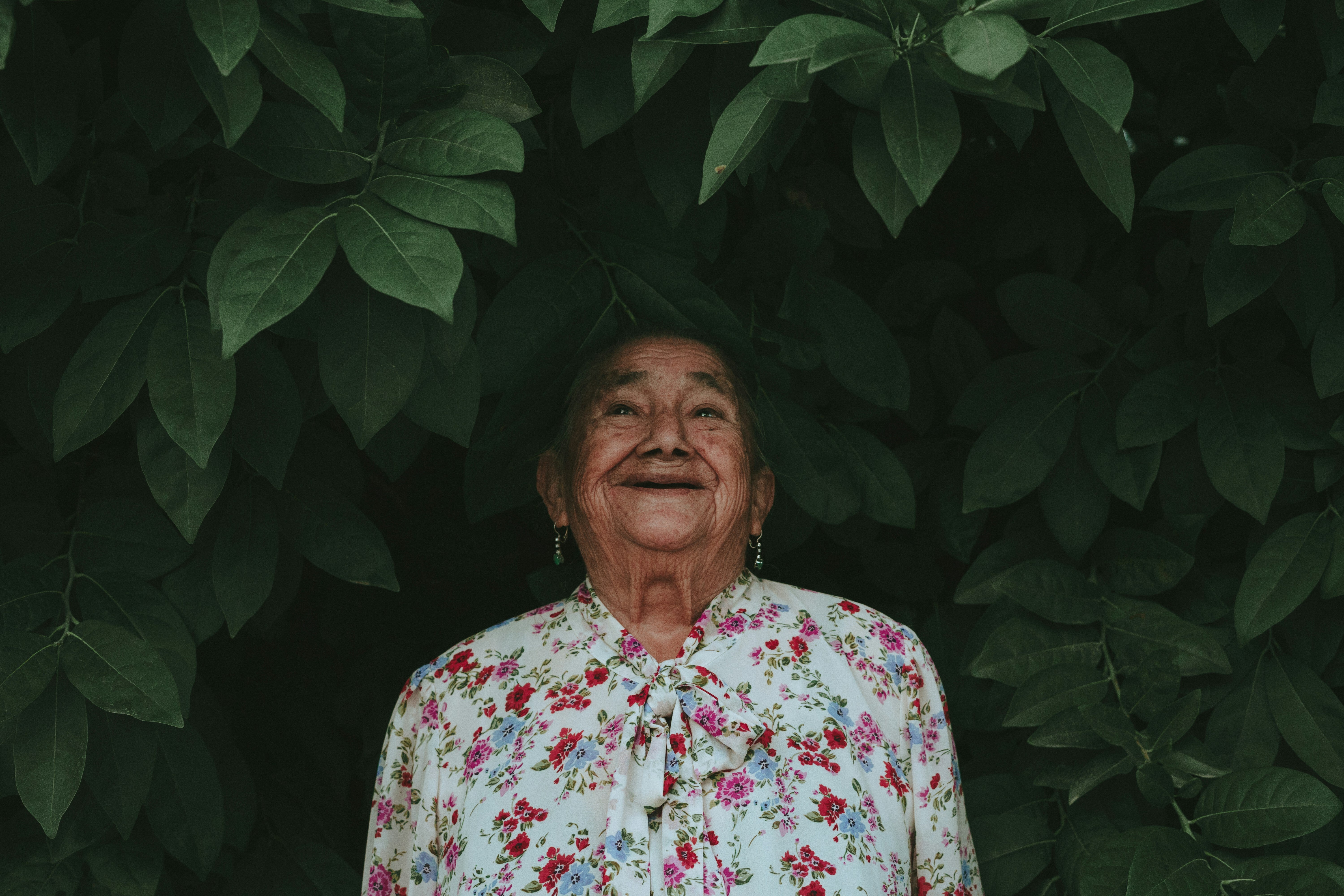
It turns out that having a sense of purpose and a positive view of ageing can make your later years happier and healthier. In fact, identifying with six personality traits – being active, lively, organised, responsible, hardworking and helpful – is linked to a longer life overall. So perhaps it’s no surprise that one paper published in Cogent Gerontology earlier this year has linked a sense of humour with better ageing, too. However, not all types of humour seemed linked to the same benefits. Why can a sense of humour help you to age better? The researchers, including psychologists from the University of Aberystwyth, conducted recorded audio interviews with older adults and used technology to analyse what the participants thought of six humour-related topics. These included: the perceived importance and functionality of humour, older adults’ interactions with humour, frequency of humour, acceptability and adaptability of humour, stereotypes and ageist jokes, and the negatives of humour. The researchers found that laughing together formed a kind of social “glue” that motivated older people to socialise more. But not all humour seemed to be created equal when it came to participants’ wellbeing. Those who were found to have greater wellbeing tended to engage in more “outward” humour, which they used to uplift other people, build connections, and enjoy a positive outlook. And those with worse wellbeing had more of a “defensive” humour, used as a kind of shield or coping mechanism. The type of humour an older adult engages with might therefore “act as an accessible indicator of their psychological well-being”, the paper concluded . “If I didn’t laugh, I’d cry” The study’s lead author, Heather Heap , a lecturer in psychology at the University of Aberystwyth, said : “Listening to participants talk about humour in their everyday lives made it clear just how deeply woven it is into the experience of ageing. Many expressed the sentiment ‘if I didn’t laugh, I would cry,’ and that really captures the emotional weight humour carries for older adults. “What we saw in the interviews was that humour isn’t just light relief – it’s a coping mechanism, a social glue and, for some, even a protective mask on what they described as their ‘dark days.’” In this study, participants’ sense of humour was far from monolithic. “While some older people told us they enjoyed dry or dark humour, many disliked jokes that targeted individuals, used profanity, or relied on aggressive comedic styles. And, while some felt that age-related jokes and stereotypes can reinforce negative self-image, others found such jokes relatable – particularly when shared with another older person,” added study co-author and evolutionary psychologist, Dr Gil Greengross. “The findings underline the need to take humour seriously within ageing research. We need larger and more diverse studies to explore differences across groups of older adults in greater depth.” Related... The Fruit Linked To Better Heart Health And Slower Brain Ageing Grandparenting, Even Occasionally, Could Slow Brain Ageing I Tried The Walking Style A Doctor Said Supports Healthy Ageing
Go to News Site The Huffington Post
 The Huffington Post
 The Huffington Post
 The Huffington Post
 The Huffington Post
 The Huffington Post
 The Huffington Post
 The Huffington Post
 The Huffington Post
 The Huffington Post
 The Huffington Post
 The Huffington Post
 The Huffington Post
 The Huffington Post
 The Huffington Post
 The Huffington Post
 The Huffington Post
 The Huffington Post
 The Huffington Post
 The Huffington Post
 GB News
 Birmingham Live

 Manchester Evening News

 The Independent