


 The Huffington Post
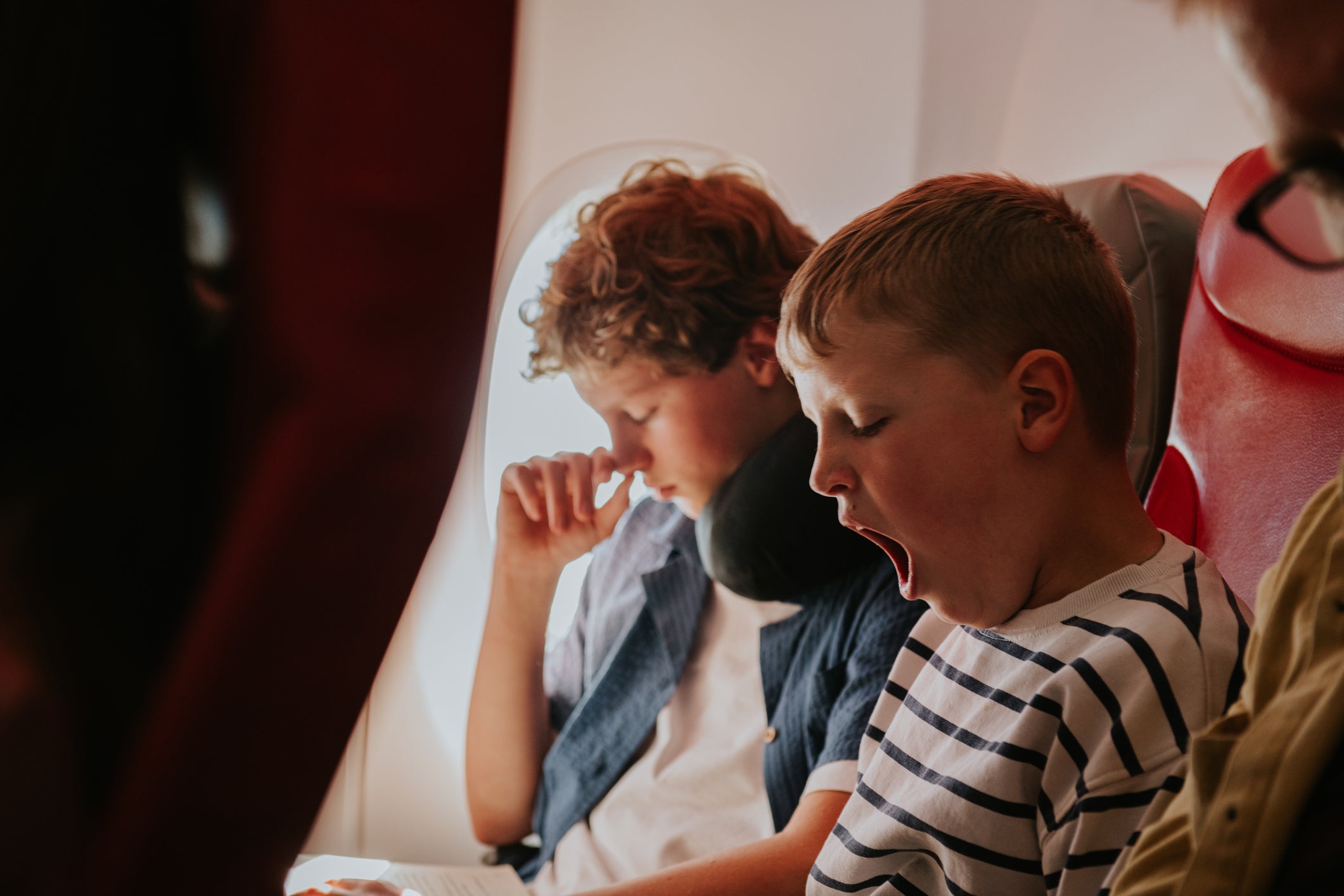
A mum’s “hot cup” hack to ease ear pain on flights has gone viral – prompting plenty of conversation about some of the best ways to ease pressure on little ears during air travel . Mum-of-three Myriam Sandler, the creator behind the Instagram account @mothercould , said a flight attendant had showed her the trick, and that she was “shocked” by how fast it worked when she tried it for herself. The hack involves putting a small amount of hot water in a cup with a paper towel rolled inside. The cup is then held near to the ear (carefully) so the steam can help to “relieve pressure”. The mum shared a video explaining how it helped her daughter’s ears on a recent flight. Others agreed it’s worked for them, too. “A flight attendant did this for me when I was little.. I’m 38 now but I’ve never forgotten it!” said one commenter on the video. “Been doing this since flying as a kid in the 80s! I also do it at home now for my own kids when they have an ear ache,” added another. One parent noted this trick helps for ear ache in general: “My son’s a swimmer and often gets ear ache due to the water being trapped – this helps so much.” Yawning and sipping water can help on flights, say experts. Why do our ears hurt on flights? Dr Asiya Maula , GP at The Health Suite, said ear discomfort can occur on flights as a result of changes in air pressure, particularly during take-off and landing. “The middle ear is connected to the back of the nose and throat by a small passage called the Eustachian tube, which helps equalise pressure,” she told HuffPost UK. “In children, these tubes are narrower and less efficient than in adults, which is why they are often more susceptible to ear pain on flights.” Dr Deborah Lee, of Dr Fox Online Pharmacy , noted t he Eustachian tube “needs to open” to equalise the air pressure. “You or your child will be aware of this when your ears pop. Yawning, swallowing and chewing all open the Eustachian tube,” she explained. What do doctors think of the ‘hot cup’ hack? Let’s just say it wouldn’t be their go-to remedy. Dr Maula said the hack shown in the video is “unlikely to directly equalise pressure in the middle ear, which is the underlying cause of the discomfort”. “However, the warmth and gentle steam may have a soothing effect and could help some children feel more comfortable, particularly if they have nasal congestion,” she caveated. “Warmth can sometimes help loosen mucus and make the nasal passages feel clearer, which may indirectly help the Eustachian tubes function a little better.” That said, the doctor warned parents to “be careful” due to the risk of burns from the hot water and steam. Dr Lee added that while steam can be a “ good way to soothe pain with any form of upper airway inflammation”, she suggested the hot cup hack “should be discouraged on a plane”, especially as over one third ( 39% ) of in-flight injuries involving children are due to spillages of hot liquids like drinks or soup. Other tricks for relieving pressure The key is to stay awake – and keep kids awake – during take-off and landing, otherwise you’ll struggle to equalise your ear pressure effectively. My go-to is getting the kids to take sips of water every few minutes, which not only keeps them hydrated but helps their ears to “pop”. Getting them to yawn or chew something can have the same effect. Dr Maula said: “The methods we know are most effective involve encouraging the child to swallow, yawn or suck during take-off and landing. For babies, feeding from a bottle or breast can help. “Older children may benefit from drinking water through a straw, sucking a sweet if age-appropriate, or chewing gum.” If your child has a cold, allergies or blocked sinuses, she advises treating the underlying congestion before travelling, as flights can only exacerbate ear discomfort. “ Older children, aged six and above, may benefit from a fast-acting decongestant spray such as Sudafed spray,” said Dr Lee, recommending “one squirt in each nostril 30-45 minutes before take-off”. “Children with allergies may benefit from an antihistamine such as loratadine (Clarityn) or cetirizine (Zyrtec),” the expert added. Parents of kids aged four and over can try the Valsalva manoeuvre, where you pinch your child’s nose between your finger and thumb, ask them to close their mouth, and blow out as if blowing their nose, said Dr Lee. “The Toynbee manoeuvre can also help. Get the child to pinch their nose, close their mouth and swallow. Keep doing this during take-off and landing,” she explained. You can also get p ressure-filtering ear plugs suitable for children, which contain a “microfilter which controls the rate of change of cabin pressure air against the ear drum”, noted the doctor. When to seek help for ear pain While ear pain during flights is common (and usually settles pretty quickly), Dr Maula warned that severe pain, hearing loss, discharge from the ear or symptoms that persist for several days after flying should be assessed by a healthcare professional. Related... UK Travellers To Europe Warned Of '10-Year Passport Rule' Trick For Stopping A Toddler Travel Tantrum In 30 Seconds – Does It Work? Travel Expert Clarifies Whether You Can Bring A Fan On Your Flight
Go to News Site The Huffington Post
 The Huffington Post
 The Huffington Post
 The Huffington Post
 The Huffington Post
 The Huffington Post
 The Huffington Post
 The Huffington Post
 The Huffington Post
 The Huffington Post
 The Huffington Post
 The Huffington Post
 The Huffington Post
 The Huffington Post
 The Huffington Post
 The Huffington Post
 The Huffington Post
 The Huffington Post
 The Huffington Post
 The Huffington Post

 The Mirror
 Daily Mail U.K
 Birmingham Live

 Liverpool Echo