 iefimerida
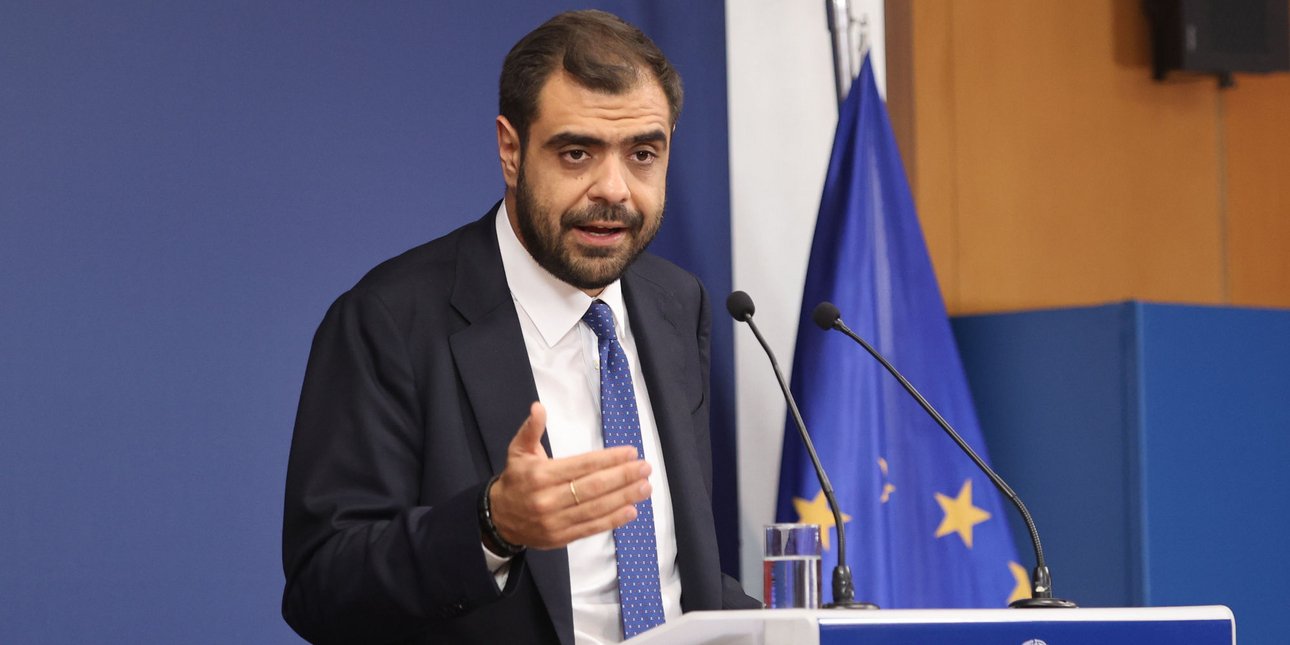
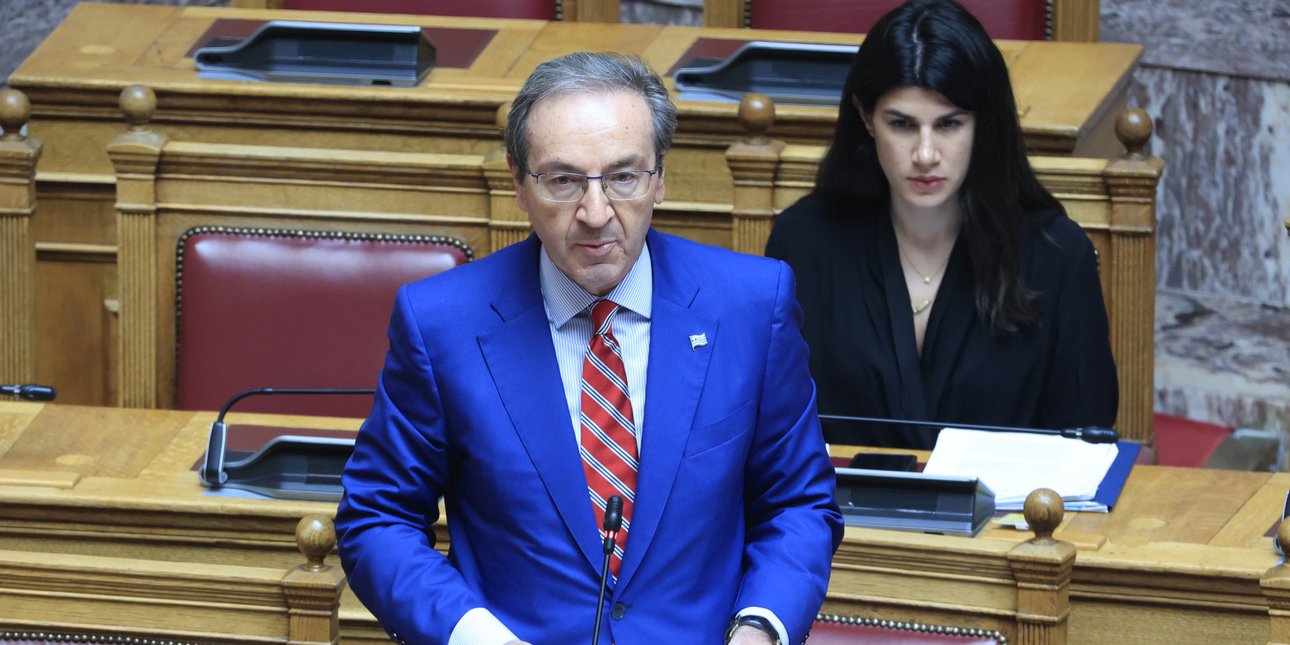
Greece's government will not create a standalone criminal offence for femicide, Deputy Justice Minister Ioannis Bougas has told parliament, arguing that existing law already imposes a mandatory life sentence for all intentional homicides — and that a separate category would not produce harsher outcomes — as official data show 25,000 domestic violence complaints and 13,000 arrests in the past 30 months. "The crime of intentional homicide is always punished with life imprisonment," Mr. Bougas said, responding to a parliamentary question from opposition leader Zoe Konstantopoulou. He said the Constitution guarantees protection of human life without gender hierarchy, and that judges can already apply aggravating provisions when gender-based motivation is established under existing statutes. Mr. Bougas acknowledged the term femicide carries social importance in public discourse and that naming gender-based killing matters for awareness — but maintained that the legal gap advocates identify does not exist in practice given the severity of the sentence already in force since the 2021 criminal code reforms. The announcement follows the Kalamata stabbing reported earlier this week, in which a 39-year-old woman was killed by her husband while their daughters slept next door — the latest in a series of cases that have renewed calls for a dedicated legal category. Advocates argue that a named offence would improve data collection, strengthen prevention and give formal recognition to the gender dimension of domestic killings. Mr. Bougas said structural measures are in place: safe shelters, free legal aid, mandatory victim risk assessments and accelerated trial procedures. Greece was also the first EU member state to implement the 2024 EU directive on gender-based violence. Διαβάστε περισσότερα στο iefimerida.gr Greece's government will not create a standalone criminal offence for femicide, Deputy Justice Minister Ioannis Bougas has told parliament, arguing that existing law already imposes a mandatory life sentence for all intentional homicides — and that a separate category would not produce harsher outcomes — as official data show 25,000 domestic violence complaints and 13,000 arrests in the past 30 months. "The crime of intentional homicide is always punished with life imprisonment," Mr. Bougas said, responding to a parliamentary question from opposition leader Zoe Konstantopoulou. He said the Constitution guarantees protection of human life without gender hierarchy, and that judges can already apply aggravating provisions when gender-based motivation is established under existing statutes. Mr. Bougas acknowledged the term femicide carries social importance in public discourse and that naming gender-based killing matters for awareness — but maintained that the legal gap advocates identify does not exist in practice given the severity of the sentence already in force since the 2021 criminal code reforms. The announcement follows the Kalamata stabbing reported earlier this week, in which a 39-year-old woman was killed by her husband while their daughters slept next door — the latest in a series of cases that have renewed calls for a dedicated legal category. Advocates argue that a named offence would improve data collection, strengthen prevention and give formal recognition to the gender dimension of domestic killings. Mr. Bougas said structural measures are in place: safe shelters, free legal aid, mandatory victim risk assessments and accelerated trial procedures. Greece was also the first EU member state to implement the 2024 EU directive on gender-based violence. Διαβάστε περισσότερα στο iefimerida.gr
Go to News Site
 EFSYN
EFSYN 
 CNN Greece
 TA NEA
 OK Magazine Greece
 in news