 GB News
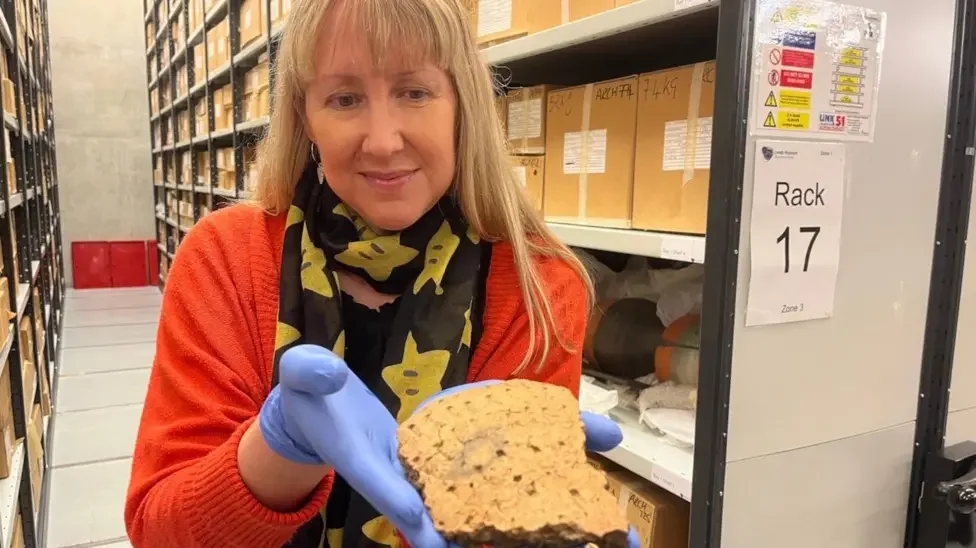
Archaeological excavations at a housing development site have unearthed a remarkable collection of Bronze Age artefacts dating back approximately 4,000 years. The work in Drighlington, Leeds, revealed an ancient burial mound containing cremated human remains and objects believed to have been associated with funeral ceremonies performed by local inhabitants millennia ago. The dig at Pitty Close Farm was conducted by West Yorkshire Archaeological Advisory Services in 2020. Experts describe the find as offering a "fascinating" window into how communities in the Leeds area honoured their dead during the Early Bronze Age period. TRENDING Stories Videos Your Say The entire collection has now been transferred to Leeds Discovery Centre for preservation and study. Within the burial mound, investigators discovered four cremation pits clustered in a space measuring roughly two square metres. The pits contained charcoal alongside the skeletal remains of three adults and one child, estimated to have been between nine and 12 years old at death. Radiocarbon analysis dated the earliest cremation to approximately 1889-1701 BC. Among the recovered items were fragments of an ornately decorated clay urn, a pin meticulously crafted from animal bone and the broken blade of a finely worked flint knife. One individual's remains had been placed inside the collared urn. Experts suggest this person may have held elevated status within their Bronze Age community. Kat Baxter, curator of archaeology at Leeds Museums and Galleries, said: "This is a fascinating discovery which gives us a glimpse into how some of the Early Bronze Age communities in Leeds lived and died." LATEST DEVELOPMENTS Army veteran pays off mortgage after using metal detector to find rare gold Roman ring 'Real-life Pirates of the Caribbean' shipwrecks discovered by British diver in shark-infested waters 'Four-winged dragon' that stalked prey from trees revealed as new species of dinosaur She explained that this era saw cremation, urn burials and circular monuments such as barrows becoming increasingly common as populations transitioned to more settled ways of living. Ms Baxter added: "People were coming together as communities, clearly putting in a lot of effort and resources to respect and care for the people they laid to rest." Such burial sites likely served as significant landmarks for early communities, establishing territorial connections that could be inherited by subsequent generations. David Williams, manager of West Yorkshire Archaeology Advisory Services, emphasised the importance of development-led archaeological work in preserving such finds. He said: "Without the planning process, this extraordinary prehistoric monument would have been entirely lost." The manager added that the excavated objects moving into the Leeds collection ensures the site's story remains accessible to the public. Councillor Salma Arif, Leeds City Council's executive member for economy, described it as "absolutely incredible" that communities were establishing roots in the area four millennia ago. Three artefacts from the discovery, the urn, pin and knife, will go on public display at Leeds Discovery Centre later this year. Our Standards: The GB News Editorial Charter
Go to News Site
 Metro
Metro 
 The Scarborough News
 The Mirror
 Grimsby Live
 The Independent