


 The Huffington Post
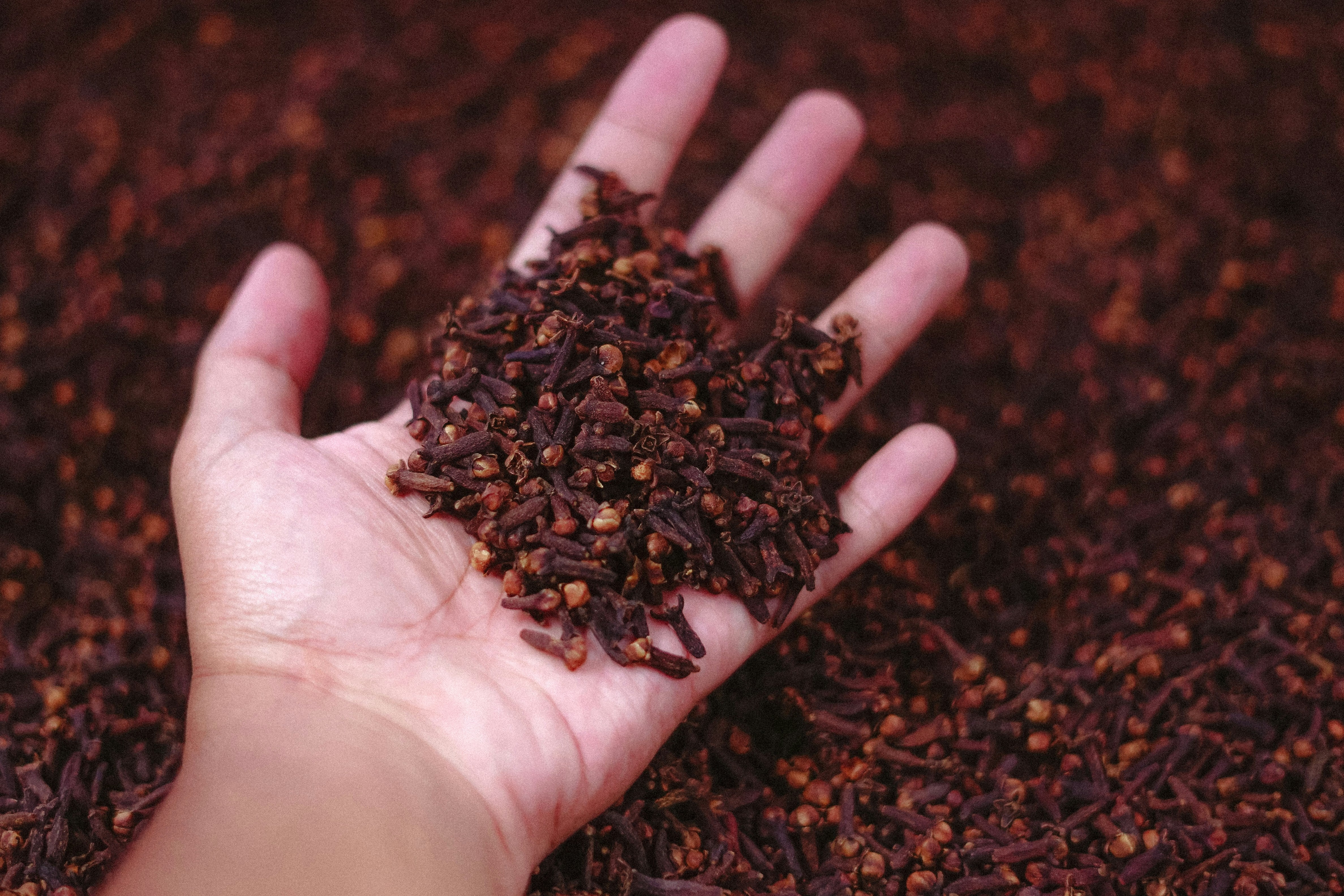
We’ve written before at HuffPost UK about the fact that capers are actually flower buds – hand-picked, dried, salted, and sometimes brined before consumption. The sooner these are picked, the smaller and tastier the caper. And apparently it’s not the only spice made from neither a fruit nor a vegetable. Yup – the humble clove is another flower part, too. What are cloves made from? They’re the dried flower buds and (sometimes) stems of the clove tree, which are evergreen members of the myrtle tree family. These are native to Indonesia but also grow in other tropical locations, like Zanzibar, Sri Lanka, and Tanzania. This makes them “an unusual spice because they are dried flower buds while most spices are either fruit/seeds (nutmeg, star anise etc.) or vegetative parts such as stems (ginger, turmeric, cinnamon) and leaves (kaffir lime),” the University of Reading said. These unripe buds are “nail-shaped”, spice company McCormick’s Science Institute (MSI) shared on their site. In fact, they added, in traditional Chinese medicine, clove spice is called “ding xiang”, which translates to “nail spice”. Its English name, “clove”, derives from the Latin clavus , also meaning “nail”. And though they’re a sort of burgundy-brown by the time we add them to our dinner, the clove tree’s buds are “bright red” when they’re harvested and dried. Those who’ve cooked with the whole spice will know that it’s shaped a bit like a lollipop, in that there’s a round part on the top and a straight, long base. That’s because, MSI explained, whole cloves consist of “stems with four unopened petals which form a small ball in the centre”. This differentiates them from round capers, which are made only from the soft bud of the Capparis bush. What makes cloves taste so... clove-y? There’s something very specific about the flavour (and smell) of cloves. And according to the University of Reading , that might be down to a compound called eugenol, which is “named for the genus Eugenia, another generic name for the clove plant”. Eugenol comprises about 85% of cloves’ essential oils and is responsible for the numbing, tingling feeling cloves can give you. What are the health benefits of cloves? Aside from giving cloves their distinctive aroma; eugenol, which can also be found in ginger roots, tulsi leaves, and cinnamon, has been linked to “antioxidant, anti-inflammatory, antipyretic [fever-reducing], analgesic [pain-relieving], antiparasite, and antimicrobial properties”. It also has “a great role in neuroprotection, enhances skin permeability, [and] relieves pains,” a 2021 paper reads, and may even have a role in controlling cholesterol. Related... I Just Learned What Capers Are Made From, And It's Not A Fruit Or A Vegetable People Baffled As They Discover What Paprika Is Really Made From People Baffled As They Discover What Allspice Is Made From
Go to News Site The Huffington Post
 The Huffington Post
 The Huffington Post
 The Huffington Post
 The Huffington Post
 The Huffington Post
 The Huffington Post
 The Huffington Post
 The Huffington Post
 The Huffington Post
 The Huffington Post
 The Huffington Post
 The Huffington Post
 The Huffington Post
 The Huffington Post
 The Huffington Post
 The Huffington Post
 The Huffington Post
 The Huffington Post
 The Huffington Post

 Daily Mail UK
 The Daily Record

 BuzzFeed News