


 The Huffington Post
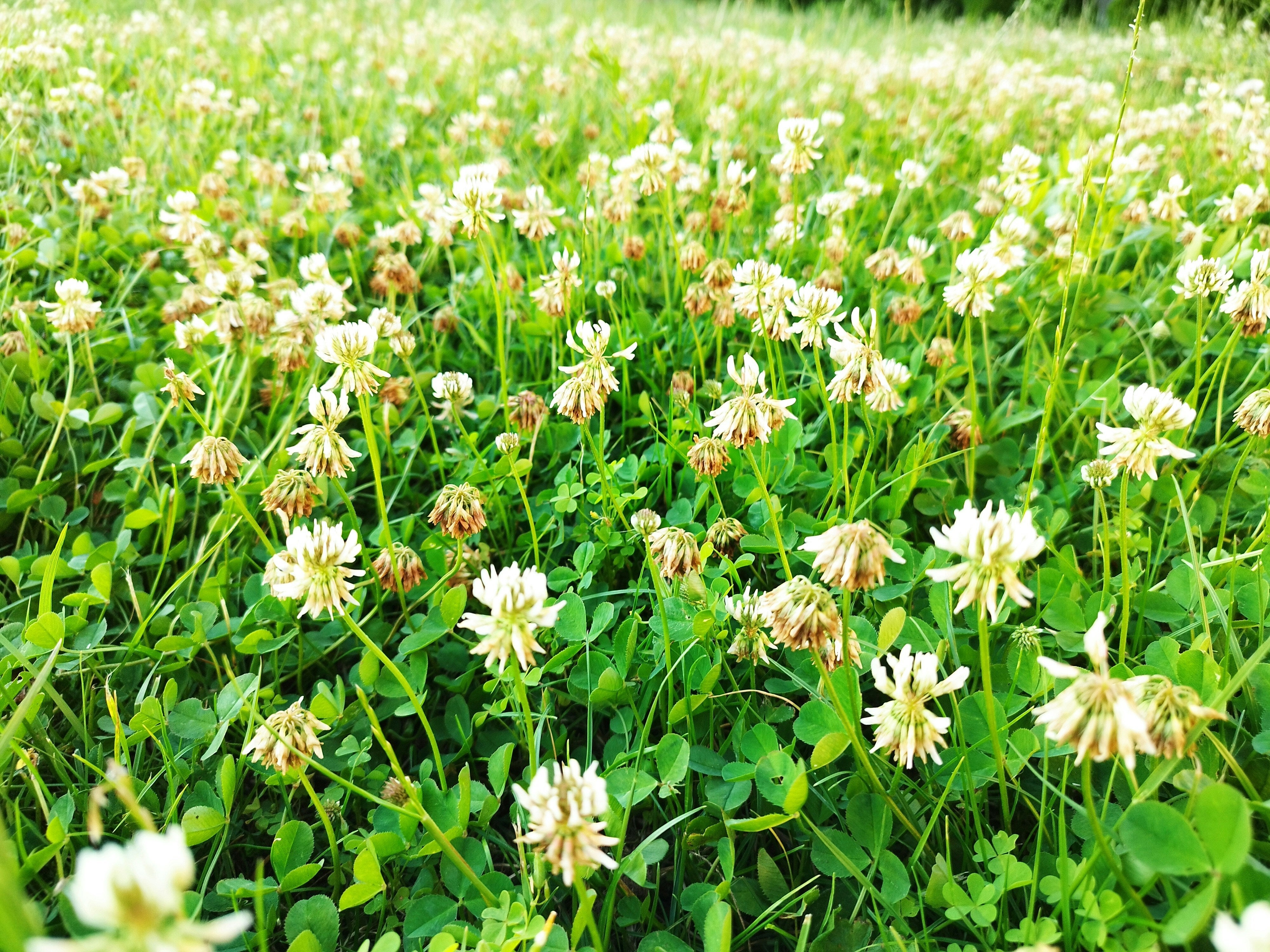
Though plants like dandelions can be dismissed as “weeds,” the Royal Horticultural Society (RHS) said they’re a great way to attract wildlife and pollinators as part of a wildflower-rich garden . Nettles, meanwhile, are brilliant for moths and butterflies, and can even be used for tasty recipes . And according to the University of Connecticut’s College of Agriculture, Health and Natural Resources (UC) , they can help you to work out which kind of soil you have, too. That’s important in general, as your soil type determines the best plants to grow in your backyard . And it’s useful for finding drought-prone sections of your garden ahead of heatwaves and possible hosepipe bans , too. Which weeds might mean I have drought-prone soil? Some weeds, called “indicator weeds”, can reveal “clues” relating to soil health, existing nutrients, growing site conditions, and the potential health of the turf, UC said. These include: White clover Black medick Plantain (especially broadleaf and ribwort plantain) Prostrate knotweed Red sorrel (sheep’s sorrel) Yellow woodsorrel Crabgrass Silver cinquefoil. UC also listed American goosegrass, or Eleusine indica (which is different to UK cleavers , also sometimes called goosegrass here) and spotted spurge in the list – however they’re less common in the UK. What should I do if I have drought-prone soil? Drought-prone soils tend to be sandy . They usually feel gritty to the touch. Help them to retain water by mulching them, adding potassium as needed , and avoiding heavy traffic on these soils (like walking or driving on them, especially during periods of drought). Organic matter is especially helpful for improving the quality of sandy soils. Manure and composted bark, wood chips, leaves, and straw can be very useful. Try not to add too much clay to sandy soil, though, as that can lead to a “concrete”-like material. How to remove clover Once clover has sprouted and the flowers are blooming, you’ll easily spot this perennial. The best way to remove clover and not rely on any chemicals is to pull it out by hand. Cory Tanner , Horticulture Program Team Director for Clemson University Cooperative Extension, says: “Hand digging and hand pulling of clover is the main way to remove it without herbicides”. If you have a large area full of clover, you can dig it out and put down new turf. “Larger patches can be dug out and the area resodded or reseeded,” he says. If clover is something you don’t want in any part of your lawn or landscape, it’s best to consider managing the plant rather than focusing on eliminating it entirely. Which plants should I grow in sandy soils? Some great options for sandy soil include : Tulips Lavender Buddleja Hardy fuchsia Carrot Courgette Alliums Radishes. Happy gardening! Related... Four Steps A Horticulturist Takes To Hosepipe-Ban-Proof Gardens Wildlife Charity Urges Gardeners To Give An 'Extra Hand' This Week June's One Of The Busiest Months For Gardening – These Are The Jobs To Prioritise
Go to News Site The Huffington Post
 The Huffington Post
 The Huffington Post
 The Huffington Post
 The Huffington Post
 The Huffington Post
 The Huffington Post
 The Huffington Post
 The Huffington Post
 The Huffington Post
 The Huffington Post
 The Huffington Post
 The Huffington Post
 The Huffington Post
 The Huffington Post
 The Huffington Post
 The Huffington Post
 The Huffington Post
 The Huffington Post
 The Huffington Post

 Daily Mail U.K
 Birmingham Live
 Metro
Metro 
 WalesOnline
