 GB News
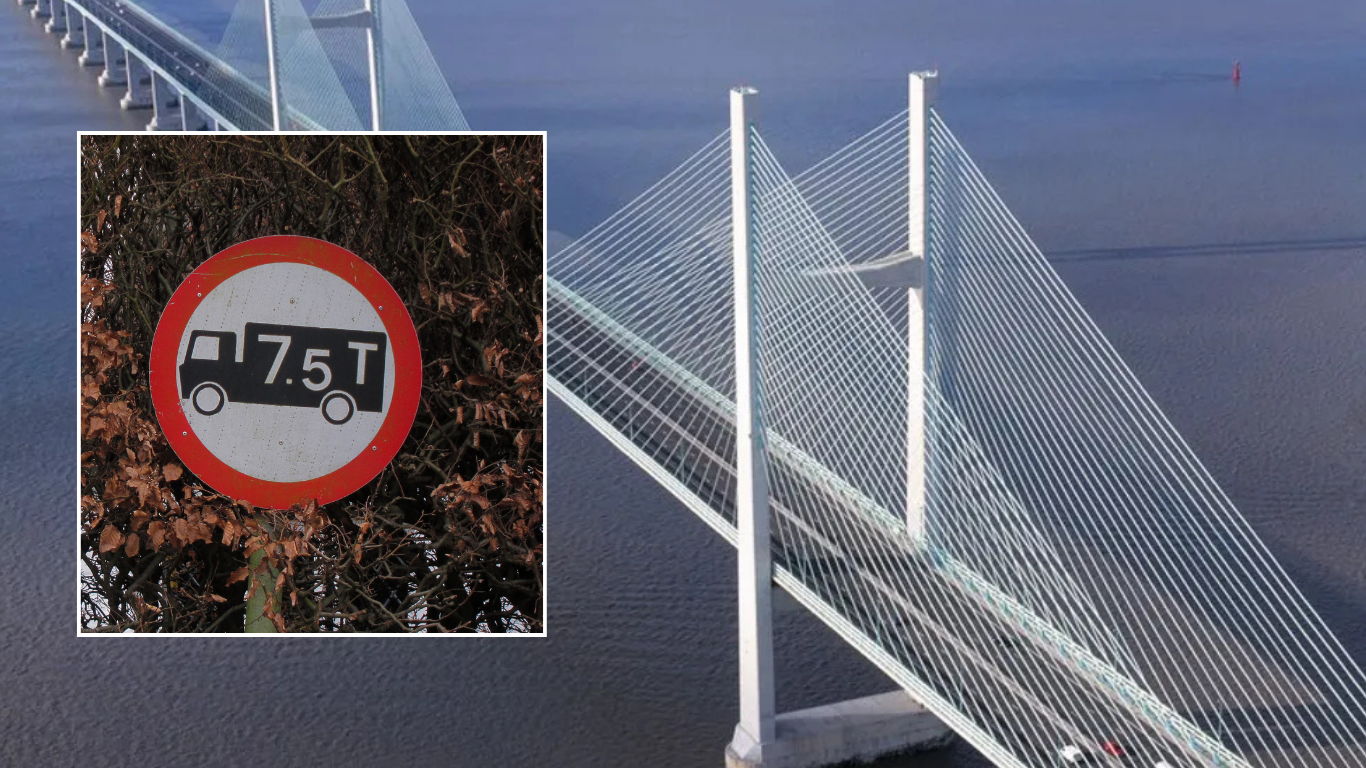
National Highways intends to restore Heavy Goods Vehicle access to the M48 Severn Bridge from October through a £23million technology-driven control system, councillors heard yesterday. The Government agency outlined plans at Monmouthshire County Council's public services scrutiny committee for a medium-term solution that will manage lorry numbers crossing the 60-year-old suspension bridge. A 7.5-tonne weight restriction introduced in May 2025 forced HGVs onto a 13-mile diversion via the M4 Prince of Wales Bridge, affecting roughly 10 per cent of the 32,000 daily vehicles using the crossing. Under the new arrangements, lorries will exit slip roads on both approaches before being released onto the bridge in controlled numbers through traffic signals. TRENDING Stories Videos Your Say However, eastbound HGVs travelling towards England will remain banned during morning peak hours between 6am and 10am. Alan Feist, programme manager for National Highways, explained the morning restriction was designed to prevent congestion for commuters at Junction 2 near Chepstow. " We're very conscious that if we implement the solution and have the HGVs coming off at junction two up the slip road round the roundabout and then back on to get onto the bridge in the AM peak, it will block all the traffic," he told the committee. The agency is currently examining potential exemptions for local and weekend HGV movements during the restricted period. Traffic signals will control lorry release onto the bridge after vehicles leave the main carriageway, while Automatic Number Plate Recognition cameras will enforce compliance and monitor movements in real time. Mr Feist indicated the lights would predominantly show green, adding that the red light wouldn't be seen more than "once or twice a day". The control system aims to ensure no more than 10 HGVs travel in either direction on the bridge simultaneously, a figure described as consistent with typical traffic patterns before restrictions were imposed. Weigh-in-motion technology combined with AI-powered cameras will also track the weight loading on the bridge deck continuously, allowing real-time monitoring of structural stress. LATEST DEVELOPMENTS Motorists face giving up driving as petrol and diesel costs impact every household's bills Car park changes would 'reduce long-term costs' with solar panels covering parking spaces New pothole rules could see councils stripped of funding as road crisis reaches boiling point Mr Feist explained that the system operates with a response time of just two seconds, enabling immediate adjustments to traffic flow. Should an incident occur upstream or downstream of the crossing, the technology can halt lorry movements instantly to prevent vehicles from stacking on the bridge structure. The programme manager acknowledged the solution would not resolve pre-existing traffic problems, telling councillors: "We're not trying to fix problems that already existed. The remit of the programme is to get HGVs back on the bridge." Committee members expressed frustration over the impact on local roads, particularly around Chepstow and Junction 23A at Magor on the M4. Traffic signals were installed at the Magor roundabout in February to manage increased traffic resulting from the bridge restrictions, but councillors criticised the lack of advance warning. Councillor Francis Taylor told the meeting that lights appeared overnight without notification to local elected members, generating thousands of complaints from residents. Johnny Hill, route manager for National Highways, acknowledged communication could have been handled better, though he noted the signalisation was funded by his agency despite the junction falling under Welsh Government responsibility. Councillors also criticised the Welsh Government and its South East Wales Trunk Road Agency for perceived poor engagement over managing wider network impacts. Our Standards: The GB News Editorial Charter
Go to News Site
 The Independent



 Daily Mail U.K
 Ruptly