
 Business Recorder
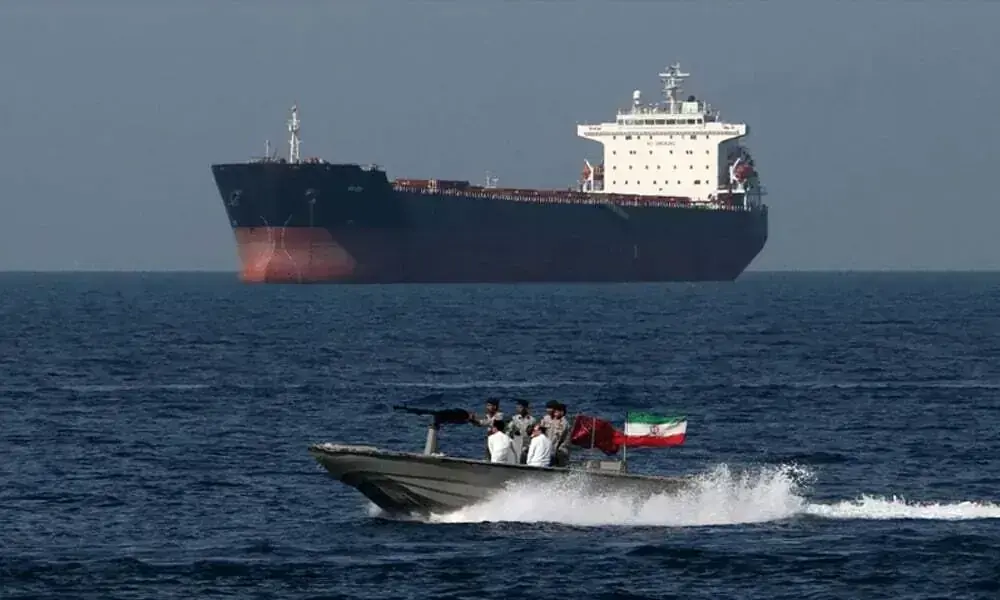
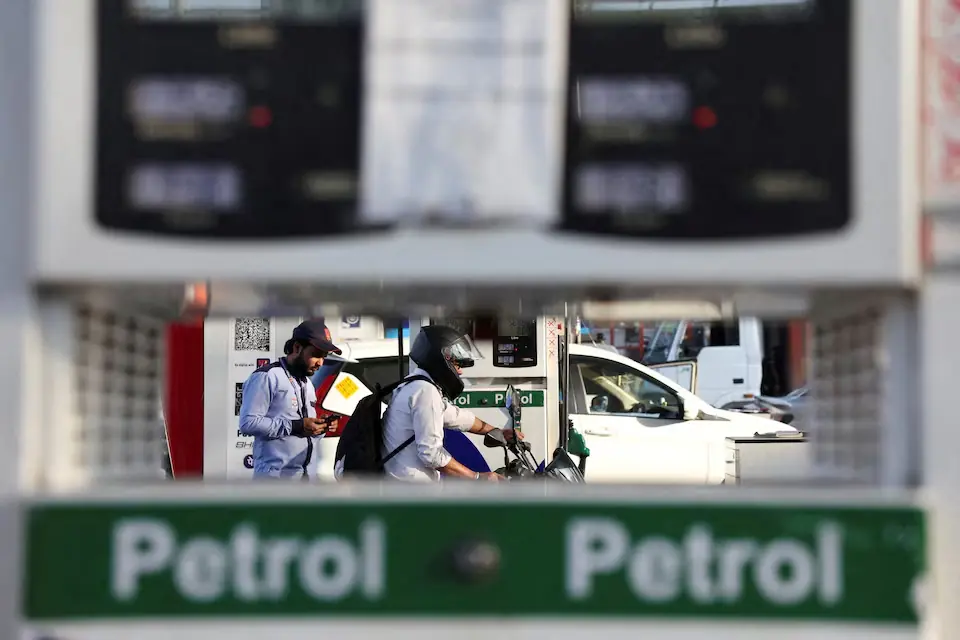
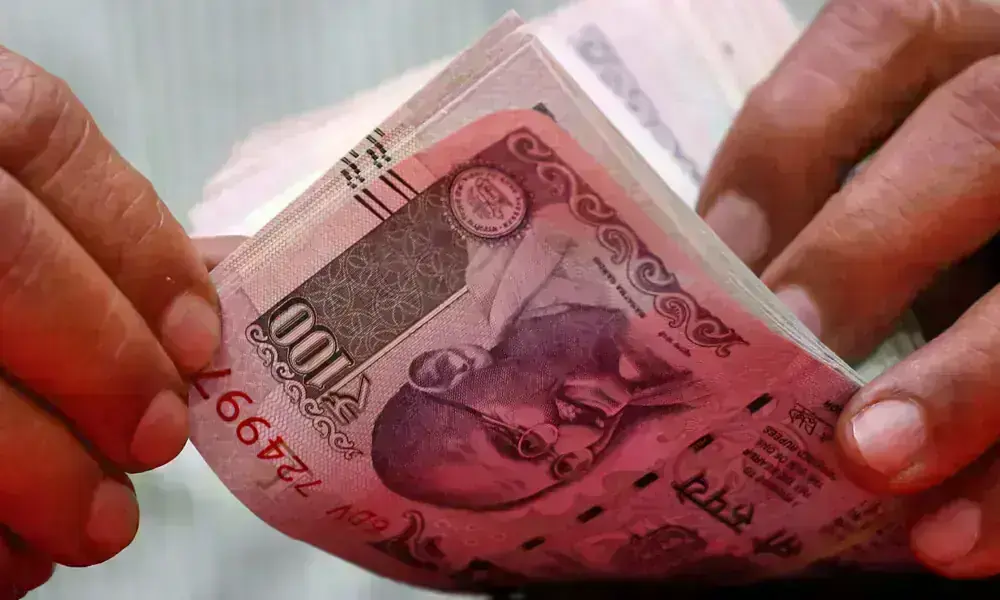
NEW DELHI: A few months ago, India’s economy was humming along nicely. Inflation was benign and growth was steady - the strongest among the world’s leading economies. Now, India is increasingly counting the cost of the Iran war, which economists say will keep mounting if the deadlock between the U.S. and Iran remains unresolved and the blockage of oil supplies continues. As the world’s third-largest oil importer and consumer, India ships in about 90% of its oil, making its economy one of the most-exposed to the war and the prolonged war-related disruptions, which include the effective blockade of the Strait of Hormuz through which a fifth of global oil and gas transit. While India has announced a flurry of measures to contain the impact on the rupee and foreign exchange reserves, the latest of which were from the Reserve Bank of India on Friday, analysts say the broader drag on economic growth, inflation and government finances is set to increase so long as oil prices remain elevated. “India is set for a series of supply shocks,” Michael Langham, emerging markets economist at Aberdeen Investments, said. Apart from pressure on oil prices, the country also faces supply disruptions to fertiliser as a result of the Iran war, which will impact key crops like wheat when farmers are already bracing for an El Nino weather phenomenon that often portends drought. “This will all drag on India’s growth outlook, yet the ability of the RBI to look through the energy price shock from the Strait of Hormuz will be increasingly difficult given the overlapping nature of these supply shocks,” Langham said. At the end of last year, India’s central bank governor, Sanjay Malhotra, talked about a “rare Goldilocks” phase for the economy as it headed into 2026. Inflation levels were falling and growth remained relatively strong. The Iran war upended that outlook. India’s oil-and-gas import bill jumped 53% in April from March, prompting forecasts for the balance of payments (BoP) deficit — essentially money coming into the economy netted off against money going out — to balloon. HSBC says that Friday’s series of steps may do a lot to limit the currency damage. Until Friday, it had expected India’s BoP deficit to swell to about $65 billion in 2026-27, but now expects the measures to improve the balance by about $30 billion. In 2025-26, India’s BoP deficit was at $25.2 billion or 0.6% of GDP. India is also curbing gold imports, urging citizens to limit foreign travel and calling for more use of public transport to reduce oil demand. “Difficult position” But the macro picture is more challenging. Benchmark international oil prices LCOc1 surged after the war began on Feb. 28, climbing to nearly $120 per barrel. Prices have eased, but they remain about 30% higher overall, while gas prices LNG-AS have risen 75% over the same period. As a result, the central bank sees inflation averaging 5.1% in the financial year to the end of March 2027, up from a 3.48% reading in April, and economic growth slipping to 6.6% from 7.7% in the previous year. While the RBI kept rates on hold last week, interest rate swap markets are pricing in at least 25 basis points of rate hikes over the next three months and more than 75 basis points over the next year. “India continues to face deeper structural challenges which has weighed on foreign direct investment, employment, manufacturing expansion, consumption, and nominal GDP growth,” said Sat Duhra, portfolio manager at Asia ex-Japan equity team at Janus Henderson Investors. Duhra said the energy shock will undermine growth and pressure government finances. “Any move to rein in public-sector capex to stabilise conditions would risk further slowing growth,” he said. “This leaves policymakers in a difficult position.” Strong oil demand India delayed raising retail fuel prices as import costs mounted. Petrol and diesel are up less than 10% since then, compared with 50% or more in some other oil-importing countries in Asia. Petrol and diesel prices are deregulated, but the government exerts significant influence as the majority shareholder of the key retail companies. Elsewhere, high prices have reduced demand and helped balance undersupplied markets. The government has said it will not compensate fuel retailers for losses, a strategy analysts say will come at a cost for the government, such as through reduced dividends, and so cut its financial firepower to handle the crisis. The government’s fertiliser subsidy is likely to jump 20% in 2026/27, a government official said. Fertiliser is vital for India’s agrarian economy, which supports nearly half the population, but may be more so this year given the risk of drought owing to El Nino. The government also cut gasoline and gasoil taxes, forgoing 140-billion-rupees in monthly revenues. The government is targeting a fiscal deficit of 4.3% of GDP this financial year, but a Reuters poll forecast it would swell to 4.7% and some economists see it going as high as 5%. India-based credit rating agency Crisil expects further small price increases in retail oil prices, which will have a wider impact. “The broader effect will reverberate across the economy through higher-transport costs, pushing up both food and core inflation,” it said in a report.
Go to News Site Business Recorder
 Business Recorder
 Business Recorder
 Business Recorder
 Business Recorder
 Business Recorder
 Business Recorder
 Business Recorder
 Business Recorder
 Business Recorder
 Business Recorder
 Business Recorder
 Business Recorder
 Business Recorder
 Business Recorder
 Business Recorder
 Business Recorder
 Business Recorder
 Business Recorder
 Business Recorder
 Dawn.com
 Geo Super
 Daily Qudrat
 Urdu Point