 The Advocate
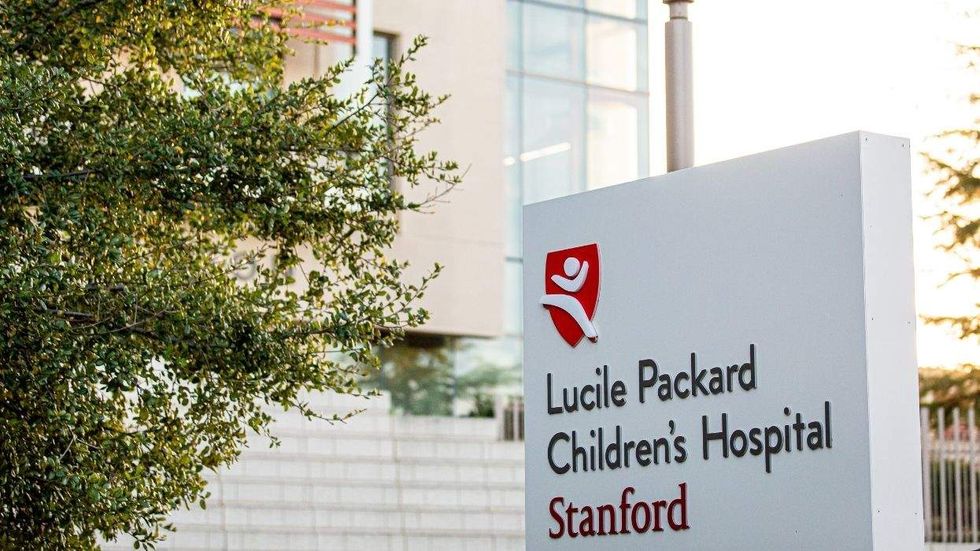
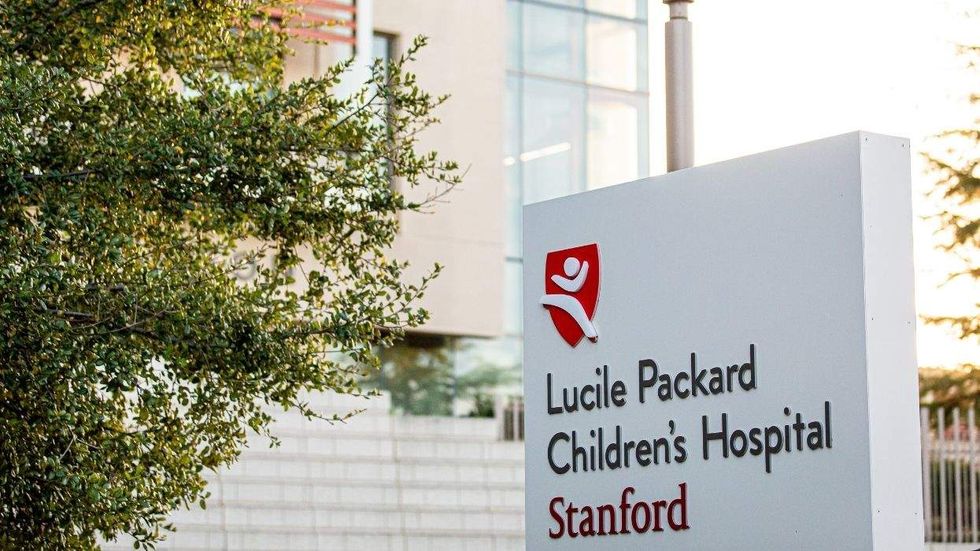
A federal judge has temporarily blocked the Trump administration from obtaining confidential medical records belonging to transgender youth and their families, intervening just one day before federal prosecutors sought to force a California children's hospital to turn over the documents. In an emergency order issued Monday night, U.S. District Judge P. Casey Pitts directed Lucile Packard Children's Hospital Stanford not to produce additional records sought through a federal grand jury subpoena and barred the government from taking further action to enforce similar demands while the court considers pending motions in the case. The order came after families of transgender youth filed a renewed request for emergency relief in Z.A. v. Lucile Salter Packard Children's Hospital at Stanford , a lawsuit challenging the government's efforts to obtain patient records related to gender-affirming care. Related : Trump-appointed judge says DOJ ‘proven unworthy’ of trust in blistering trans care case ruling Pitts wrote that Stanford's children's hospital "shall not produce additional records" responsive to portions of the subpoena and that the government "shall not take further action to enforce any grand jury subpoena" seeking the private health information of members of the proposed class. The judge cited legal precedent allowing courts to preserve their jurisdiction when disclosure could effectively moot a case before it is resolved. Since returning to office, the Trump administration has directed federal agencies to investigate hospitals and doctors who treat transgender minors, issued subpoenas seeking patient records from medical centers around the country, and pursued legal theories that several federal courts have rejected. The efforts have alarmed transgender patients and their families, who fear that confidential medical information could be swept into government investigations and that providers could scale back or abandon care under mounting legal pressure. The court's intervention followed a significant turn in the case. On Saturday, Pitts denied the families' initial request for an injunction against Stanford, finding that the hospital is a private entity rather than a government actor for purposes of the constitutional claims raised in the lawsuit. But the judge also acknowledged that the families faced "a serious risk of harm" from disclosure of their records and described the subpoena as part of "a wider campaign to investigate medical centers across the nation in an effort to chill, if not completely halt, their provision of gender-affirming care to minors." He denied the motion without prejudice, allowing plaintiffs to return with a revised case. Related : Families ask judge to block Trump DOJ nationwide from getting trans kids’ medical records On Monday, the families filed an amended complaint adding the U.S. Department of Justice and Deputy Attorney General Todd Blanche as defendants, sought class certification, and renewed their request for emergency relief. Hours later, Pitts issued the order preserving the status quo. Attorneys representing the families praised the decision. "What the Trump administration is attempting with these grand jury subpoenas is unprecedented," Shannon Minter , legal director of the National Center for LGBTQ Rights , said in a statement. "The court recognized the urgency and stepped in before harm could be done to these families by preventing the government from seizing their kids' confidential information." Jennifer Levi , senior director of transgender and queer rights at GLAD Law, said the administration was using "extraordinary measures" to seek access to private medical information through the grand jury process. "The federal government is engaging in extraordinary measures, using a secret grand jury process to try and pry into patients' medical records," Levi said. "Today's order gives these families the relief of knowing that private information about their children will not be immediately turned over to DOJ." Representatives for Stanford Health Care declined to respond to The Advocate’s questions, writing, "At this time, LPCH declines to comment further since these are active legal matters. LPCH is committed to complying with all laws, protecting the privacy of the patients we serve, and delivering the highest quality care."
Go to News Site
 The Washington Times
  VICE
VICE 

 Chicago Tribune
 Newsweek