 The Huffington Post
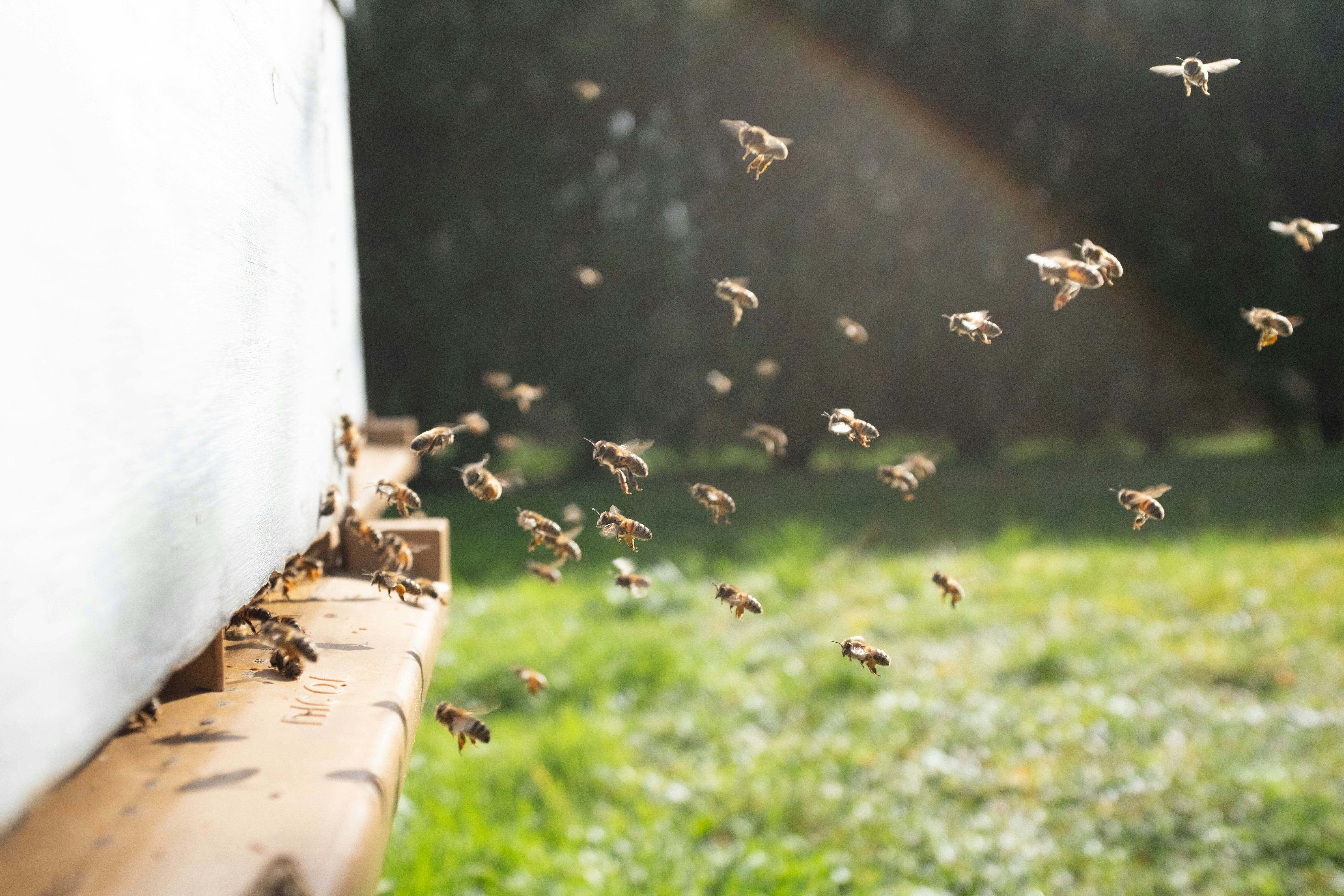
Beekeeper and University of Galway Zoology Professor, Grace McCormack, has warned people to “keep an eye” on areas like their sheds and roofs this summer during a recent appearance on Irish broadcaster RTÉ’s News At One, because bees may be likelier to “swarm” near them. The British Beekeepers’ Association (BBA) also agreed that in the UK, the pollinators usually display the behaviour on warm, sunny days from May to July. They added that swarming is especially likely on sunny, “high teens”-temperature days, after a period of colder, wetter weather. These conditions are expected to reach much of the UK starting at about mid-June, following our current wet spell . What is a bee swarm? It happens when a queen bee – the sole reproducing female of the hive – leaves her old home to allow another, developing queen to take over. She doesn’t leave on her own, though. Speaking to the BBC , Gavin Ramsay, the Chair of the Scottish Native Honey Bee Society, said that “about half of the bees will head off in a very organised manner and find a new home” with the original queen. Those splinter bees form a cluster as they try to relocate, Inverclyde council added. Before that cluster is formed, the BBA said, the bees – sometimes “thousands” of them – can buzz up in an “extremely dramatic” and noisy cloud. This process usually only takes about 15 minutes, though. Once clustered, bees begin to look for places to build new combs. Ramsay explained they’re especially keen on “cavities that are about the right sort of size with a smallish entrance”. This can include your chimney, roof, wall space, or unused shed , experts like the Shropshire Beekeepers’ Association said. If they succeed, you’ll be stuck with a sometimes very hard-to-budge established bee colony. What should I do if I spot a bee swarm? “Swarms are usually very mild-mannered, but if you see one out and about, especially one that’s settled somewhere, then really the best thing to do is to get in touch with a local beekeeping association,” Ramsay explained . They will try their best to manage the situation. While the swarm isn’t likely to sting you, the BBA has previously advised keeping kids and pets indoors if you spot one, just in case. Sometimes, though, an early check can help you to notice upcoming swarms sooner. If you see groups of five to 20 bees near your roof, Prof McCormack said to call a beekeeper, as odds are these are scouting out a new home. At this point, “you still have time before the swarm arrives, and that is really the best time to act,” she said. Shropshire Beekeeper’s Association , meanwhile, said that these scouts have usually broken off from an existing, unsettled cluster. This is the”best time for a beekeeper to collect the swarm”, they added. Keep especially alert on warm and sunny days, particularly those following a chill. Related... The 'N.O.I.S.E. Check' Could Help Boys Think Critically Of Manosphere Content Gardening Experts Share Why You Should Check Leaves In Your Garden It Turns Out Bees Crown Queens Via A 'Buckingham Palace' Process
Go to News Site
 The Independent


 Ruptly