 GB News
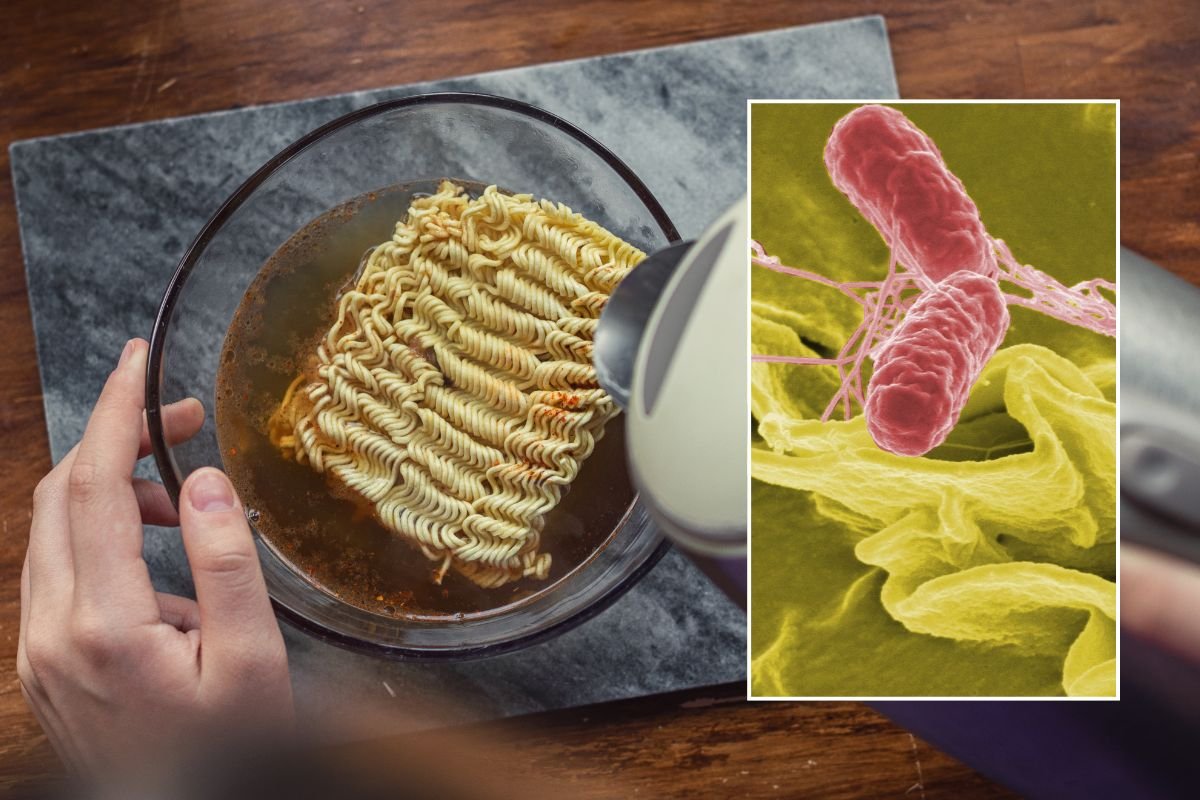
A Salmonella outbreak believed to be connected to instant noodles has affected at least 80 individuals throughout Europe and Britain. Health authorities first identified a spike in food poisoning incidents during March, with nearly all infections traced to an identical bacterial strain, pointing towards a single contamination source. The European Centre for Disease Prevention and Control recorded 83 confirmed cases of Salmonella Stanley ST2045 as of 5 June. Children and young adults represent the majority of those infected. Twenty patients have required hospital treatment. TRENDING Stories Videos Your Say Infections have been reported in Britain, Austria, Czechia, Estonia, France, Germany, Lithuania and the Netherlands. An additional 26 unsequenced cases may potentially be connected to the outbreak. Gauri Godbole, Deputy Director of Gastrointestinal Infections at the UK Health Security Agency, confirmed British involvement in the international investigation. "We are supporting an ongoing investigation into an international Salmonella outbreak, with most reported cases occurring in children and young people," she told Sun Health. "Current findings indicate that chicken-flavoured instant noodles and/or processed chicken products are the suspected sources of infection, potentially linked through a shared ingredient." The UKHSA official noted that salmonella typically produces mild symptoms, though individuals with compromised immune systems face greater risks of serious illness. Those experiencing concerning symptoms should seek advice from their GP or out-of-hours medical services. The ECDC is working in close coordination with affected nations and the European Food Safety Authority to monitor developments. LATEST DEVELOPMENTS Major British university issues urgent alert after student diagnosed with meningitis Scientists name best five-a-day foods to lower blood pressure and prevent stroke Does cancer have a smell? Doctor shares three distinct ways the disease affects odour Investigators discovered that several infected individuals had consumed instant noodles without properly cooking them, with multiple cases linked to the same brand. However, the agency acknowledged that not every infection can be attributed to the noodle products. "Investigations are still ongoing and more cases might be expected," the ECDC stated. The organisation assessed the overall infection risk as very low for the general population and low for younger age groups, provided cooking guidelines are followed. Instant noodles and accompanying seasoning packets should not be treated as ready-to-eat products, officials warned. Salmonella infections typically manifest between 12 and 36 hours following exposure to contaminated food or animals. Common symptoms include diarrhoea, stomach cramps, fever and vomiting, with most cases resolving within four to seven days without requiring specific medical intervention. Young children, pregnant women, elderly individuals and those with underlying conditions such as cancer, diabetes or liver and kidney disease face heightened risks of severe complications. Godbole advised thorough handwashing after toilet use and before food preparation, ensuring food is cooked properly, and avoiding handling food for others when symptomatic. The ECDC and EFSA will conduct a joint rapid outbreak assessment to identify the contamination source. Our Standards: The GB News Editorial Charter
Go to News Site
 The Independent
 BuzzFeed News

 Metro
Metro 

 RT
RT