 GB News
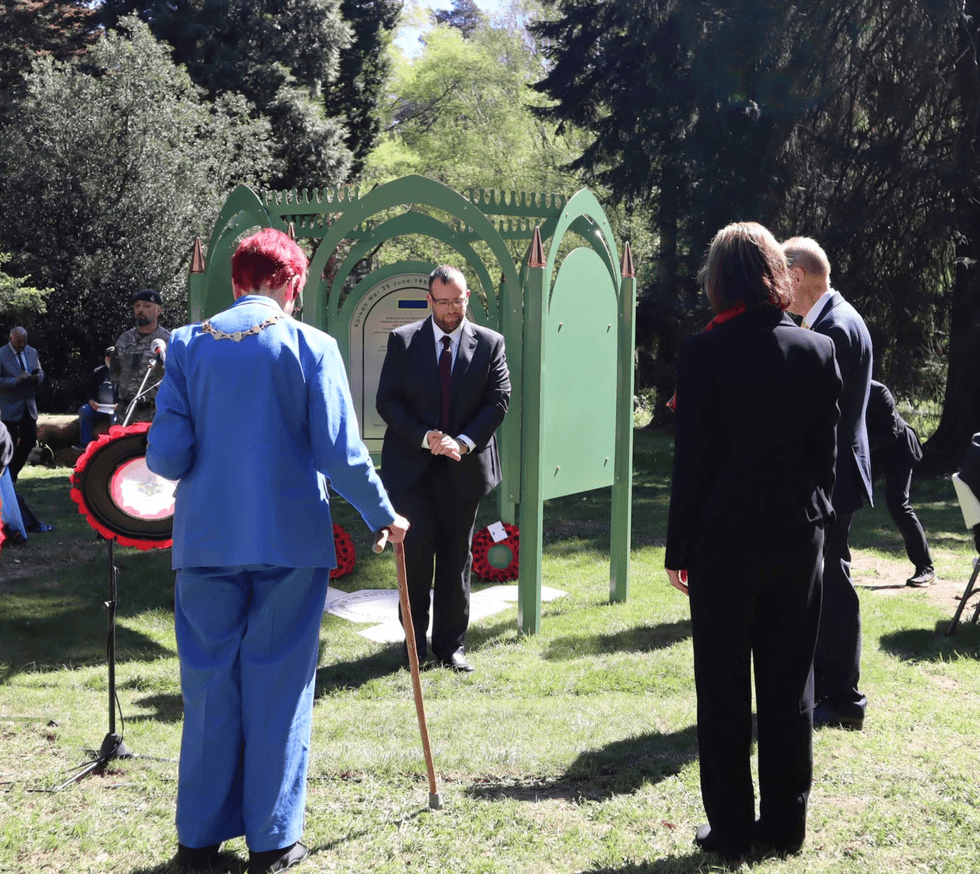
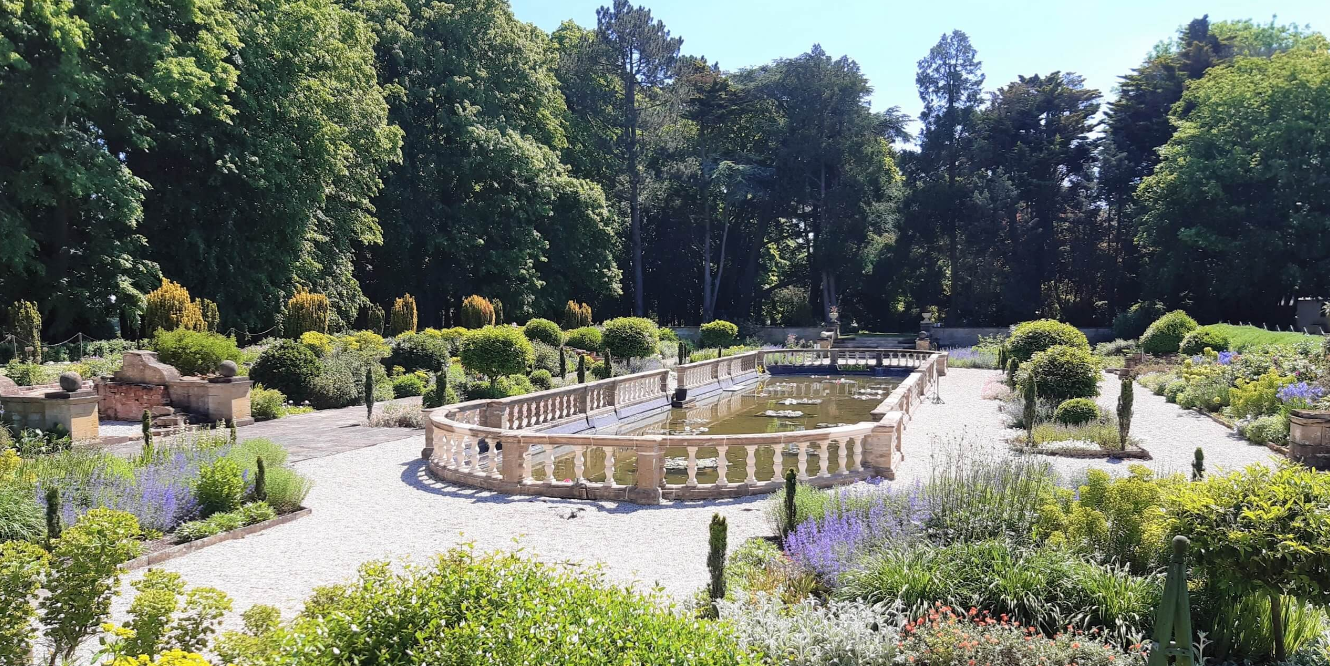
An Essex garden with roots stretching back to the Tudor era has been added to Historic England's register of heritage sites at risk of being lost forever. Easton Lodge, near Great Dunmow, has been described by the heritage body as "generally satisfactory but with significant localised problems", with its vulnerability rated as "high". The Grade II listed grounds feature the work of Edwardian landscape architect Harold Peto, who transformed the site in 1902 with a grand Italian garden. Dedicated volunteers, alongside the owners of neighbouring Warwick House, have worked to bring portions of the historic gardens back to their original state. TRENDING Stories Videos Your Say The gardens gained particular fame thanks to an unusual resident who arrived in August 1902, when a special train pulled into Dunmow Station carrying the Earl and Countess of Warwick along with their menagerie of pets. Among the animals was a baby elephant called Kim, one of many creatures kept by Countess Daisy, whose collection reportedly included monkeys, raccoons, an aardvark, an emu and various parrots. The Countess described Kim as "very attractive and manageable," noting the young elephant would follow her everywhere. Local newspapers of the time characterised the animal as "frolicsome and sagacious". When Kim grew larger, concerns about safety prompted the Countess to rehome him with retired elephant trainer Sam Lockhart in Royal Leamington Spa in January 1903. A statue now commemorates the beloved mammal at the gardens. The estate's history extends far beyond its Edwardian heyday, with the settlement of Little Easton first recorded in the Domesday Book of 1086. LATEST DEVELOPMENTS Council sparks outrage by refusing permission for widow to turn fly-tipped wasteland into micro-farm Historic East Yorkshire mill undergoes major restoration works to keep cultural heritage alive 'Heartbreaking' high street closure as iconic kitchenware brand shuts factory after 38 years In 1348, Lady Eleanor de Louvain inherited the property before marrying Sir William Bourchier, whose grandson Henry would later become the 1st Earl of Essex in 1461 after wedding Isabel Plantagenet. Queen Elizabeth I bestowed the 10,000-acre estate upon Henry Maynard in 1590 as recognition for his service as Private Secretary to the Lord Chancellor, and he subsequently constructed an Elizabethan mansion on the grounds in 1597. Fire devastated much of this building in 1847, leaving only the West Wing standing, while a second blaze in 1918 caused further severe damage. During the Second World War, the War Office took control of the site, with thousands of trees felled to establish Great Dunmow Airfield. Brian and Diana Creasey purchased the West Wing in 1971, renaming it Warwick House and undertaking extensive restoration work before opening the grounds to the public in 1985. Today, visitors can explore Peto's Italian garden and climb his recreated treehouse, which sits on stilts around an old oak tree offering panoramic views across the grounds. The walled kitchen garden remains well-stocked with fruit and vegetables, with seasonal produce available to buy. The site boasts ten national or regional champion trees, alongside a collection of historic Essex fruit tree varieties. Within the Glade, visitors will find a Second World War memorial garden, a stumpery, and Japanese-inspired features including a rill and dedicated Japanese garden, all enclosed by woodland. Despite the restoration efforts and the site's popularity with visitors, it remains on the "at risk" register, although Historic England notes the site is stable, with no current action or strategy being implemented. Our Standards: The GB News Editorial Charter
Go to News Site
 The Independent

 BuzzFeed News

 Evening Standard
 Belfast Live