


 Ruptly
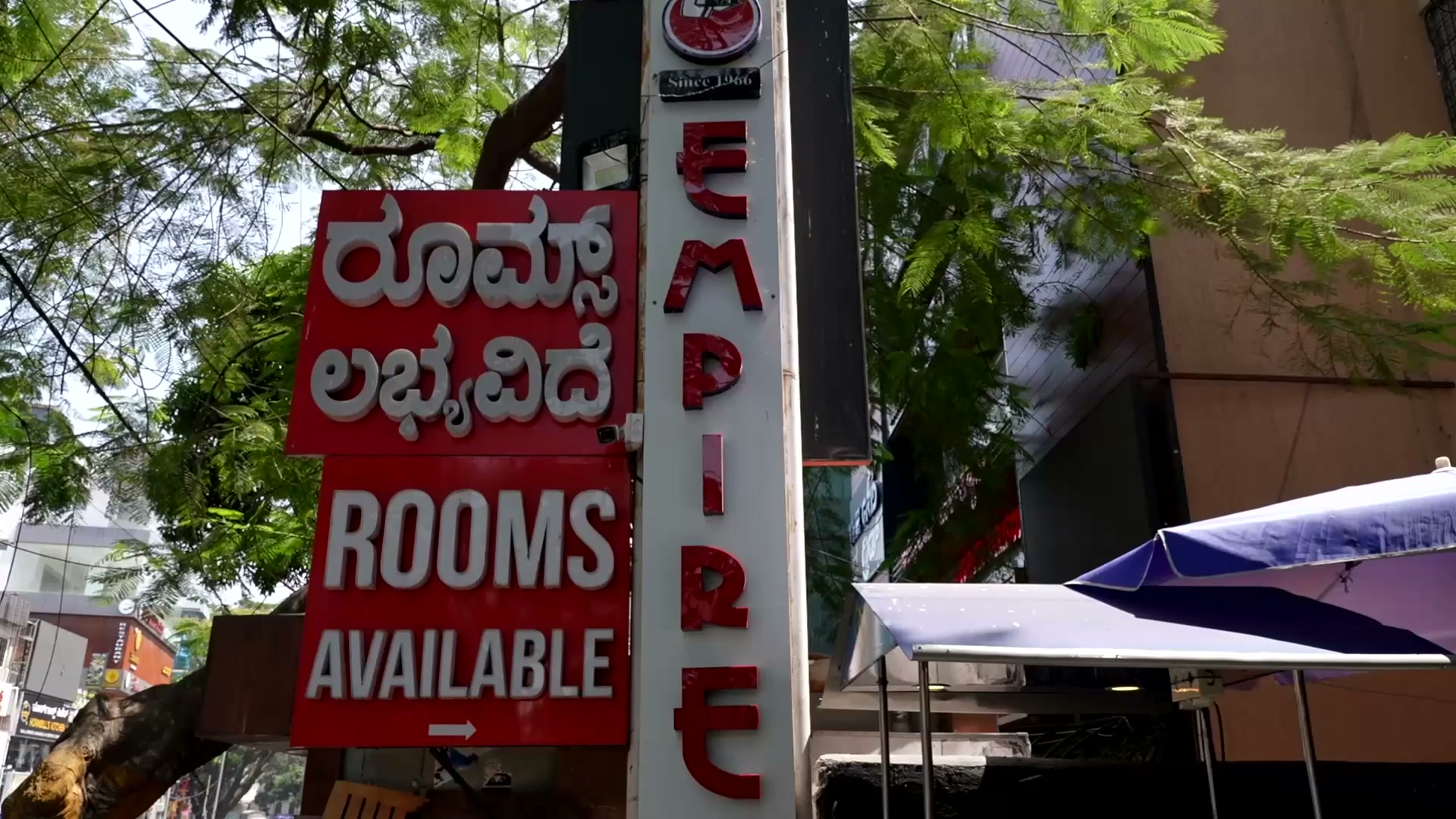
"A restaurant in Bengaluru's Koramangala district sidestepped an acute gas shortage through a waste-to-energy tie-up with a local biomethanation plant, as a wider energy crisis linked to the Middle East conflict puts pressure on supplies. Footage filmed on Friday shows staff at Hotel Empire International preparing food, as well as a nearby Kasa Rasa waste management unit in Koramangala, where biogas is produced. "Biogas is being supplied directly from the facility to our kitchens. This is basically wet waste, which has been collected from various homes within that ward and sent to the plant," said Shakir Haq, chief executive of NKP Empire Ventures Pvt Ltd. "So that has been consistent, and the Koramangala outlet is running absolutely fine without any issues." The arrangement helped the restaurant avoid the worst of a supply crunch that is hitting the industry hard. As part of a national strategy to prioritise domestic gas supply for households over industrial use, restaurants have been forced to scale back menus and prepare for possible shutdowns. "For now, it is an extremely serious situation. Restaurants run basically on a daily LPG supply and consumption, so even a short 24-hour to 48-hour disruption can bring everything to a standstill," Haq said. "Most of the signature items are still on sale, and we have been managing with a little bit of LPG, firewood at the majority of restaurants, plus a lot of bulk cooking that we are doing at our central facility and being sent to the respective outlets," he added. At the Kasa Rasa facility, wet waste collected each day is processed into purified methane, which is then stored and piped to nearby hotels. "Wet waste is segregated from the communities of this ward. [...] It is crushed and made into a slurry and fed to the digester, where anaerobic digestion takes place, and biogas is generated," said Sunita Jayaraman, programme director at Saahas Zero Waste. Bengaluru currently has 12 biogas plants with a combined daily production capacity of five tonnes. Experts say the city's wet waste could generate up to 200 tonnes of biogas, enough to meet nearly 20 per cent of total fuel demand from hotels and canteens. "With the current situation, we should look at how we can manage our waste," Jayaraman added. Global energy markets remain under strain amid escalating tensions in the Middle East, with concerns that the conflict could further disrupt key shipping routes and impact fuel supplies across import-dependent economies. India reportedly imports nearly 60 per cent of its LPG, with the majority coming from West Asian suppliers, with most shipments routed through the Strait of Hormuz. Indian Prime Minister Narendra Modi has recently announced measures to manage the long-term impact on fuel, supply chains and inflation, while promoting a shift to piped natural gas."
Go to News Site