


 Ruptly
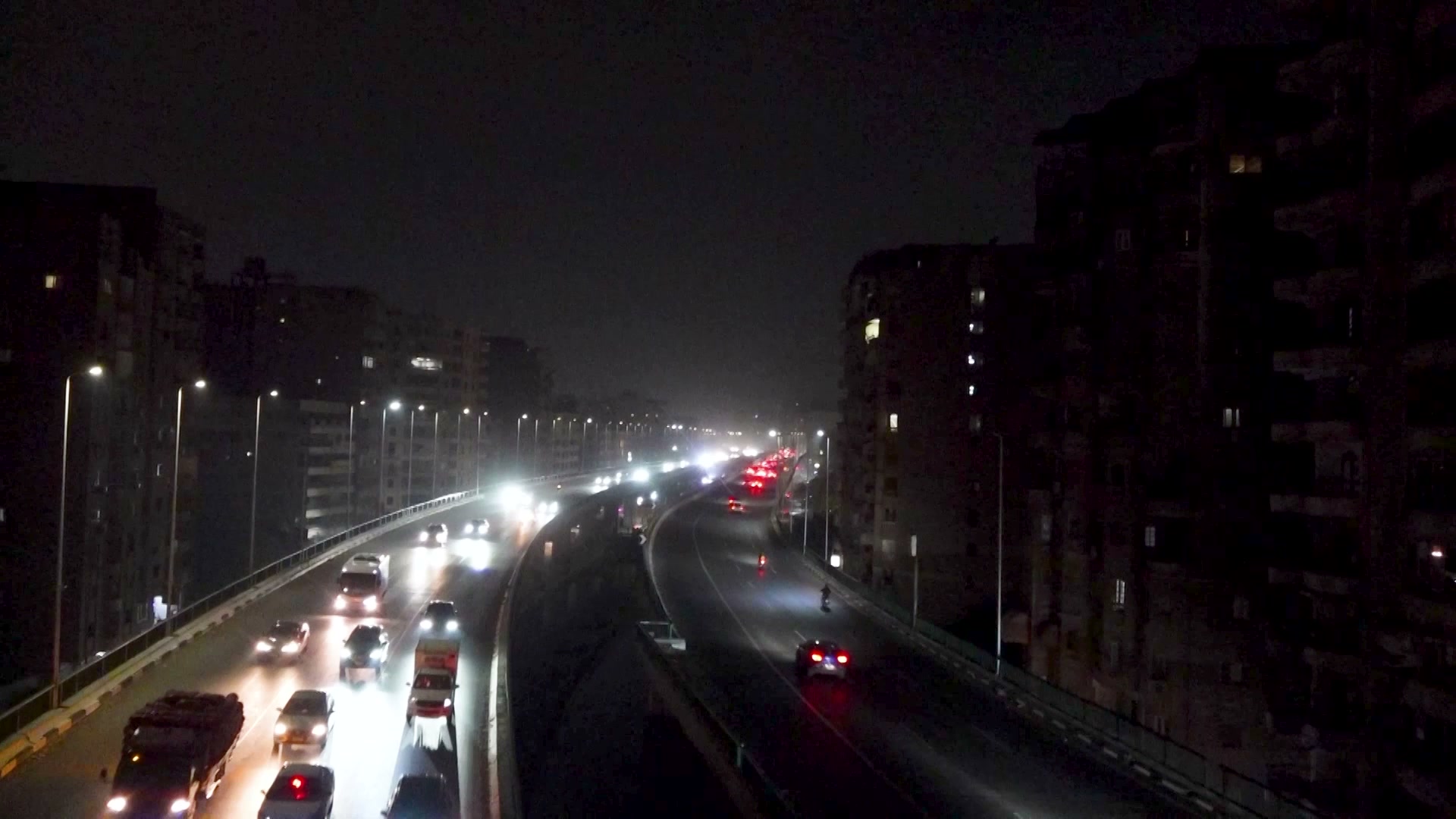
"Egypt’s new energy-saving measures have drawn mixed reactions from business owners, as rising global fuel prices linked to the conflict involving the United States, Israel and Iran continue to drive up costs. Footage from Giza Governorate shows street lighting being switched off in line with the measures, while shops appear closed in parts of Cairo. Under the plan, shops, cinemas and wedding halls must close by 9:00 pm, with extended hours until 10:00 pm on Thursdays, Fridays and public holidays. Authorities say the measures will be in place for an initial one-month period. The policy also includes dimming billboards and street lighting, alongside a 30% reduction in fuel allocated to government vehicles. "We have issues in the tourist areas, especially Khan El Khalili and Al-Hussein Mosque. Tourists and customers usually only come at night. If we close at 9 PM, that means we will start preparing to close from 8 PM, which takes time," said shop owner Saeed Mostafa. "At the same time, customers only come in the evening, especially since we are in the peak season for both Arab and foreign tourism. Closing early means no business,” he added. Another shop owner, Mohamed Tawfek, expressed support for the move. “As long as it is a one-month trial, there is absolutely no problem. And if it is truly in the interest of the country, we have no objection at all. Those who used to close at 10 PM can open two hours earlier, so that people and customers can gradually get used to the new closing time,” he said. Prime Minister Mostafa Madbouly said Egypt’s monthly energy bill rose to $2.5 billion in March, up from $1.2 billion in January. The measures come as global energy markets remain under pressure following the escalation that began on February 28, when US and Israeli strikes targeted Iran. Tehran responded with attacks on Israeli territory and US assets across the region, contributing to a wider disruption of supply routes, including through the Strait of Hormuz. Oil prices have since climbed above $100 per barrel, increasing pressure on economies and fuelling cost-of-living concerns worldwide."
Go to News Site