


 The Guardian
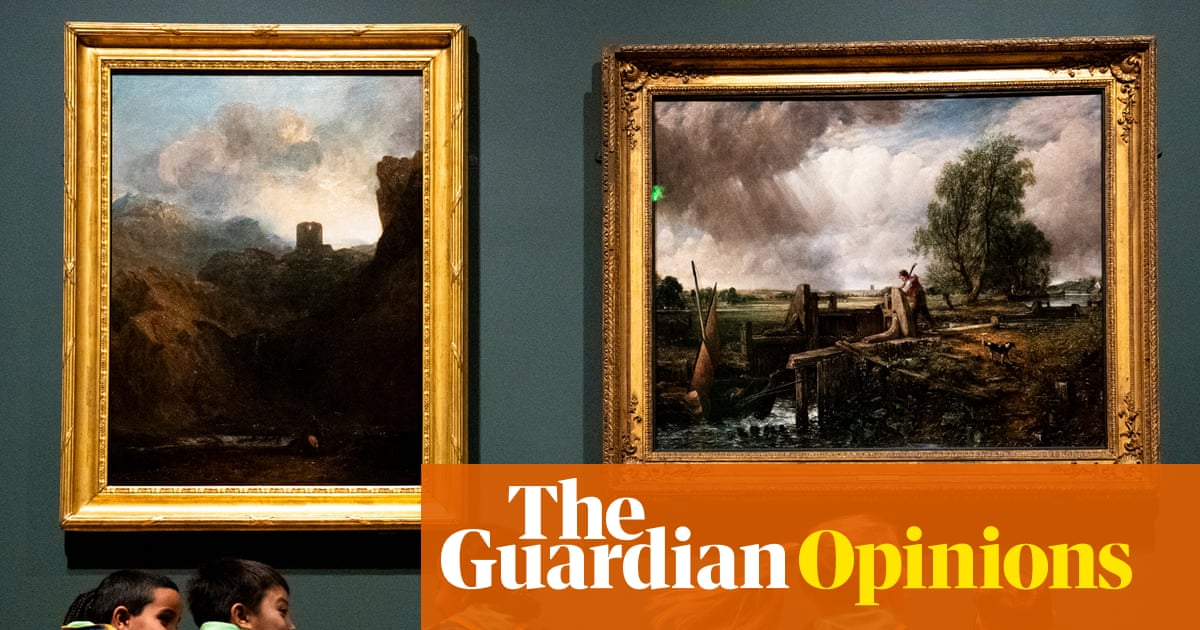
There are better ways to raise money than jeopardising a model that draws visitors to Britain and has huge benefits for the wider economy Twenty-five years ago, the UK made the bold and generous gesture of making its national museums free to all. Suddenly, anyone from anywhere in the world could gaze at iconic works of art by the greatest artists in history without having to pay a penny. Many incredible artworks were suddenly accessible to everyone: Hepworth, Turner and Hockney at Tate Britain , and Bonnard, Picasso and Bourgeois at Tate Modern (which had both always been free) were now joined by Raphael at the V&A and Kapoor at the Walker Art Gallery, dramatic seascapes at the National Maritime Museum and bustling cityscapes at the Museum of London. And maybe afterwards they would reward the gallery by buying a slice of cake in the cafe or a print of their favourite work in the gift shop. In the years that followed, this policy proved to be a huge success. It led to a dramatic and sustained increase in audiences. Within the first decade, visits to museums which used to charge rose by 151% – the uplift was 180% at the Natural History Museum and V&A, and 269% at National Museums Liverpool. Is now really the moment to reverse direction by charging international tourists to access our museums and galleries, as ministers are proposing? Karin Hindsbo is interim director of Tate, and former director of Tate Modern, London and the National Museum, Oslo Continue reading...
Go to News Site