


 Business Recorder
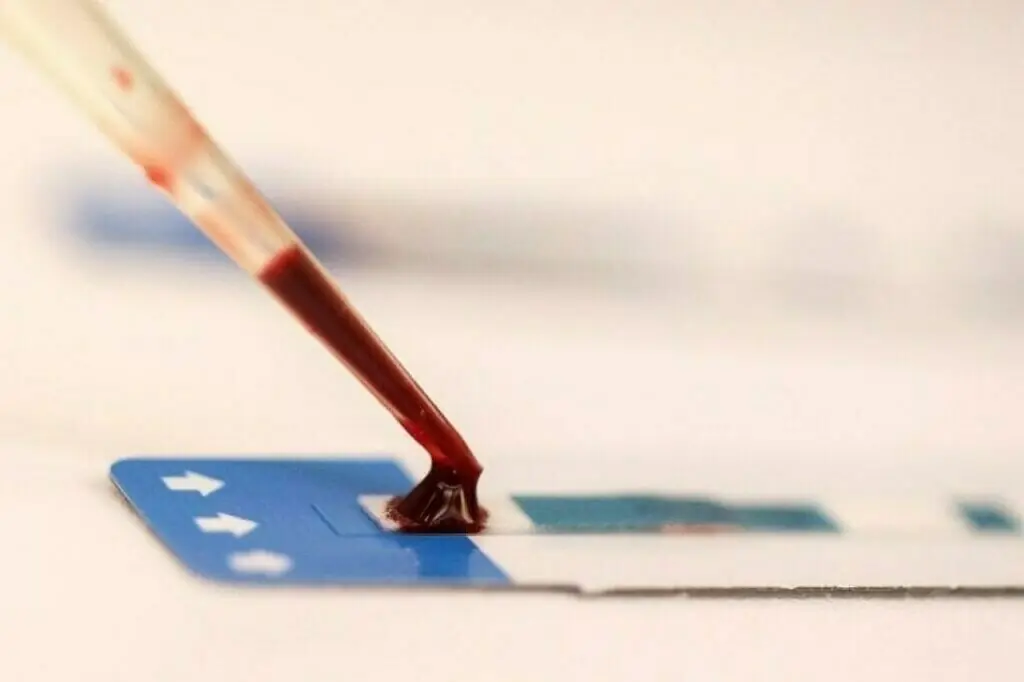
ISLAMABAD: Pakistan is grappling with a growing HIV crisis, with around 84,421 people officially registered as living with the virus, the National Assembly was told on Monday, underscoring persistent public health challenges nationwide. In a written reply to questions asked by lawmakers, Health Minister Mustafa Kamal said the highest numbers of reported cases are in Punjab and Sindh, followed by Khyber Pakhtunkhwa, Balochistan, and the Islamabad Capital Territory (ICT). Addressing concerns over international oversight, Kamal said the United Nations’ UNAIDS agency maintains close collaboration with the government, providing technical assistance and strategic guidance. “Periodic discussions with UNAIDS are held to further strengthen surveillance, estimation and reporting mechanisms. No formal reservations have been expressed,” he added. The minister said Pakistan is working to align its national reporting with international standards and improve data quality. He outlined a multi-sectoral strategy for the prevention and control of HIV/AIDS, including targeted awareness campaigns, expanded testing services, free antiretroviral therapy at 98 treatment centres nationwide, and retention programmes for patients to ensure continuity of care. Other initiatives include strengthening biological and behavioural surveillance, mobilising domestic and international resources, and implementing harm reduction programmes, safe blood transfusion practices, and infection prevention measures in healthcare settings. ‘ He said that letters have been sent to all provincial health authorities and the Indus Hospital & Health Research Association to implement infection prevention and control measures. “The government remains fully committed to controlling the spread of HIV/AIDS and ensuring access to prevention, treatment, and care services for all affected populations,” Kamal said. Separately, in response to questions on energy and industrial growth, the Ministry of Industries and Production, led by Haroon Akhtar, said energy tariff determination falls under the Ministry of Energy (Power Division), though the ministry supports tariff rationalisation for industry to promote investment and sustain growth. The ministry highlighted stabilisation in large-scale manufacturing and said targeted sectoral policies are being implemented, including the Automotive Industry Development and Export Policy 2021-2026, the Mobile Device Manufacturing Policy, and the New Energy Vehicle Policy 2025-2030. These policies provide incentives such as tariff rationalisation, localisation support, technology upgrades, and facilitation of new investment, he added. The ministry noted that interest rates are set by the State Bank of Pakistan and fiscal policy is managed by the Ministry of Finance. “Electricity tariffs and cross-subsidies are within the jurisdiction of the Ministry of Energy. No specific proposal regarding energy cost reduction is under consideration by the Engineering Development Board, but the ministry supports measures to reduce cost of capital and energy to promote industrial growth,” it added. Copyright Business Recorder, 2026
Go to News Site