


 The Huffington Post
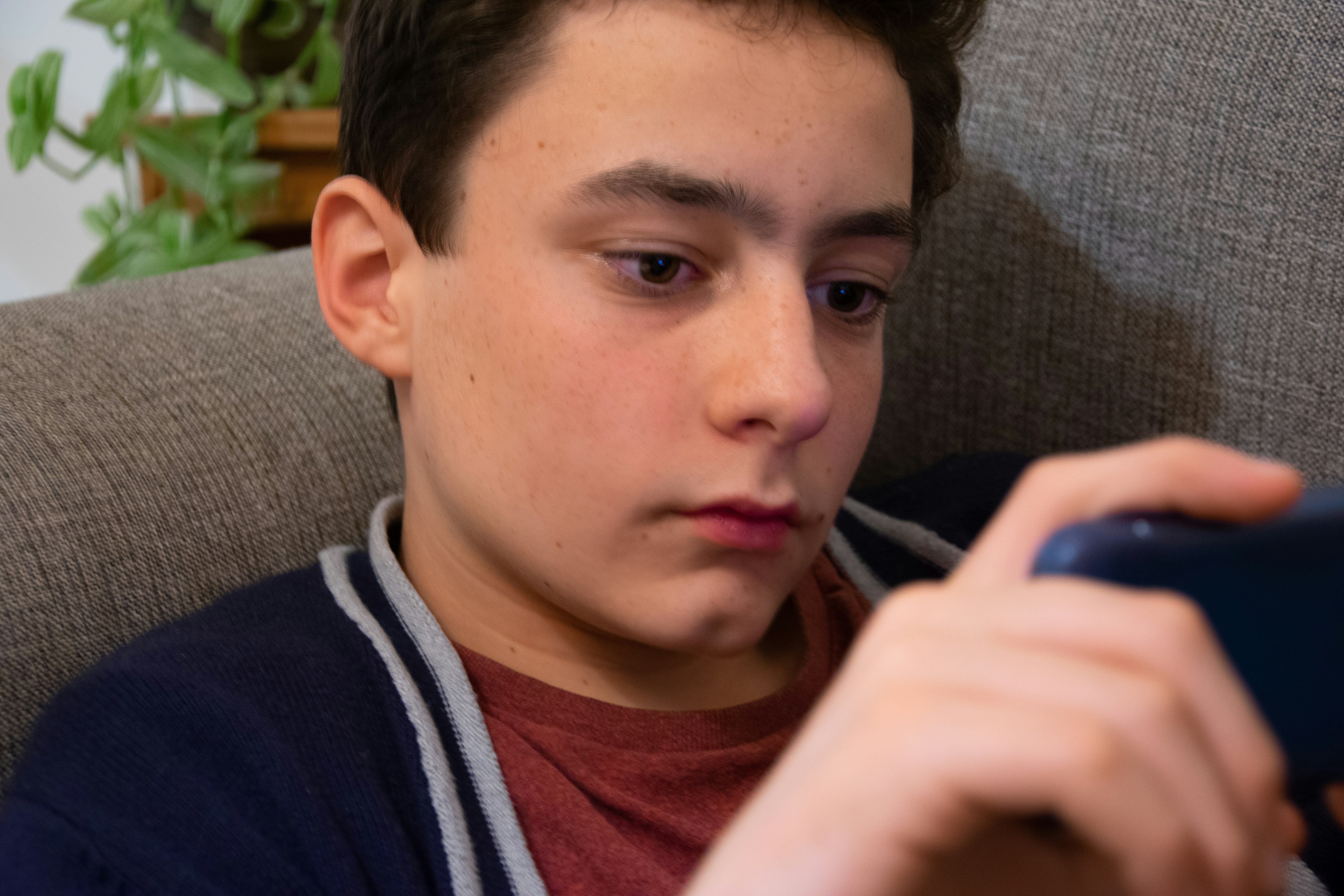
A teenage boy looks at a mobile device Children chat about a lot of pretty odd stuff (remember Ballerina Cappuccina ?) – however if you’ve heard them mention ‘gooning’ in conversation with their mates, or during gaming, it’s certainly worth pulling them up on it. While you might consider ‘gooning’ as messing around or even goofing about (that’s what first came to my mind), per Mashable , it actually means “masturbating for a prolonged period of time, usually hours, without ever climaxing”. In online spaces, it can also refer to zoning out as a result of intense sexual arousal, which Gabb (a company providing child-safe phones and tech) notes is “most often in the context of pornography”. The issue is, if tweens and teens are using this terminology, chances are they are coming across pornography or inappropriate content online. It’s not uncommon – over one-quarter (27%) of kids have come across pornography by age 11, according to a survey by the Children’s Commissioner . While children shouldn’t be easily coming across porn due to stricter regulation as part of the Online Safety Act , they may still find ways to access it. When talking about ‘gooning’ is a red flag If your tween or teen is talking about gooning, even if it’s just joking with friends, it’s definitely worth asking them about it. If they are getting involved in this activity, Fiona Yassin , a family psychotherapist, told HuffPost UK: “There’s a real neurodevelopmental risk here. During adolescence, the brain is still under construction – very much a work in progress – and when it’s repeatedly flooded with high-intensity sexual content, it drives spikes in dopamine that can create a pathway towards compulsive cycles. “Over time, young people may need more and more intensity to achieve the same effect , which mirrors the mechanisms we see in other forms of addiction. That’s particularly concerning in a developing brain.” Yassin, who is the founder and clinical director of The Wave Clinic, also warned that it can impact social development (zoning out in front of a screen might increase isolation, anxiety and low mood) and attachment, particularly as far as sexual relationships are concerned. “This can disrupt the development of healthy attachment, increasing impulsivity, risk-taking, and a disregard for personal and relational safety,” she explained. Teens who are exposed to this kind of content can also begin to develop unrealistic expectations of themselves and others, particularly as far as sex and relationships are concerned. “It can encourage objectification, a sense of disposability in relationships, and a reduced capacity for genuine intimacy – building, sustaining, and nurturing connection,” said Yassin. Ultimately, she warned, “it can shift how young people see others, which can lead to the oversexualisation of what would otherwise be non-sexual interactions”. “That has wide-reaching implications for how they relate, connect, and develop into adulthood.” Talk to your kids if they mention gooning Some children might use the word without fully understanding where it comes from and the potential impact on others. So, the key here is to be curious about where they’ve heard the term and what they think it means – which can help steer your conversations going forward. “Rather than reacting with frustration or alarm, the most effective starting point for parents is to stay calm and curious,” said Yassin. “Parents may ask: ‘What does this word mean to you?’ or ‘What do you think someone else might hear or feel when that word is used?’. Like many aspects of child and adolescent mental health, this situation offers a valuable teaching and learning opportunity.” If they do know the full meaning, the therapist urges parents to seize the opportunity for age-appropriate honesty. “Teens, in particular, are more likely to engage when they feel respected, rather than lectured,” she added. “Parents can gently widen the conversation to the bigger picture, which might include the consequences of the word, how pornography can shape expectations, impact mental health, and, in some cases, lead to more compulsive patterns of behaviour.” Action for Children has a few helpful pointers for talking to kids about porn, but ultimately it advises parents to reassure kids it’s OK to feel curious about sex , while also explaining that “porn is unrealistic” and it “can be harmful for them to watch it”. Related... Most Teens Aren't Vaccinated Against 'MenB' – Charity Calls For Change Parents Will Be Told If Teens Search Suicide Or Self-Harm Content On Instagram Attention Parents, Teens Want To Know The Answers To 5 Common Sex Questions
Go to News Site