


 The Advocate
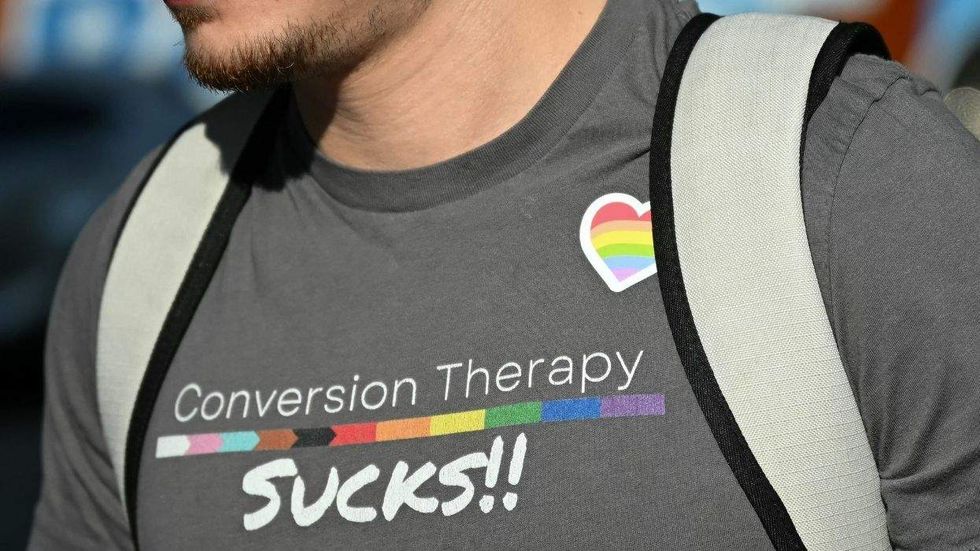
The U.S. Supreme Court on Friday struck down Colorado’s ban on so-called “conversion therapy” for minors. The decision elevates abstract free-speech doctrine over a growing body of medical evidence and leaves LGBTQ+ youth more exposed to a practice doctors have long described as harmful. Keep up with the latest in LGBTQ + news and politics. Sign up for The Advocate's email newsletter. In Chiles v. Salazar , the Court held in an 8-1 decision that because conversion therapy often takes the form of talk therapy, Colorado’s law amounts to a content-based restriction on speech and cannot survive First Amendment scrutiny. Writing for the majority, the Court emphasized that the law “targets speech based on its communicative content,” rejecting the state’s argument that it was regulating professional conduct rather than expression. The ruling is a stark setback for states that have tried to draw a bright line between legitimate care and practices rooted in discredited ideas about sexuality and gender. Justice Ketanji Brown Jackson was the only justice to dissent. Related : Conservative Supreme Court justices appear skeptical of Colorado’s ban on harmful ‘conversion therapy’ Related : Almost 200 members of Congress call on the Supreme Court to uphold bans on conversion therapy Colorado argued that conversion therapy is not merely an expression but a form of clinical intervention — one associated, major medical groups say, with depression, anxiety, and increased suicide risk. The Court was unpersuaded and concluded that the Constitution does not allow the government to decide which messages may be delivered in a therapist’s office. The majority opinion warned that allowing such regulation would give states “broad power to restrict speech it disfavors” within licensed professions, a move it said would have sweeping implications beyond this case. Related : Wisconsin Supreme Court ruling reinstates conversion therapy ban Related : How the Supreme Court’s conversion therapy case could reshape LGBTQ+ protections across America The human stakes are difficult to ignore. A February research brief from The Trevor Project found that LGBTQ+ young people with recent exposure to the damaging and discredited practice reported the highest rates of suicidal ideation and attempts: 61 percent said they had seriously considered suicide in the past year, and 35 percent reported attempting it — far higher than among peers whose exposure was further in the past. Overall, one in 20 LGBTQ+ young people reported having been subjected to conversion therapy, with higher exposure among transgender and nonbinary youth, the Trevor Project found. This story is developing.
Go to News Site