


 Business Recorder
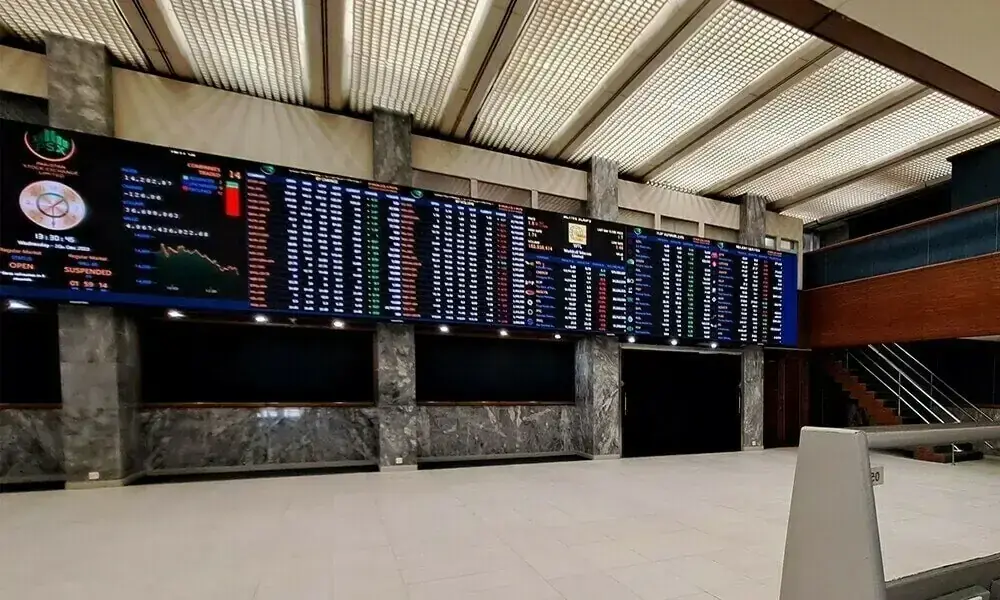
KARACHI: Pakistan’s equity market witnessed a sharp correction in the first quarter of 2026 after three consecutive years of strong gains, with the benchmark KSE-100 Index declining around 15 percent during the period amid persistent selling pressure and geopolitical uncertainty. The downturn placed the Pakistan Stock Exchange (PSX) among the worst-performing global markets in the quarter, alongside bourses in India and Indonesia, according to international market data. Market performance deteriorated significantly in March, which proved to be one of the most adverse months for equities in recent years. The KSE-100 Index plunged by 19,319 points on a month-on-month basis, translating into a decline of 11.5 percent, to close at 148,743 points at the end of the month. READ MORE: Sell-off deepens PSX losses for 4th straight Monday The index opened March at 152,717 points and briefly rallied to an intra-month high of 161,475 points before heavy selling drove it down to a low of 144,119 points, highlighting heightened volatility and investor nervousness throughout the period. Analysts attributed the sharp decline to a combination of external and domestic factors, including geopolitical tensions, higher global oil prices, and cautious investor activity during the holy month of Ramadan. Continued foreign outflows and subdued local participation further compounded the pressure on share prices. Despite some supportive macroeconomic indicators, including a current account surplus in February and steady monetary policy, risk aversion dominated market behaviour, leading to broad-based declines across key sectors. Average daily trading volumes during March fell to around 487 million shares, marking a decline of roughly 37 percent compared to February, while average traded value dropped nearly 30 percent month-on-month to about USD 99 million, reflecting a significant pullback in market participation. Market data also showed net foreign selling during the month, particularly in banking and cement stocks, while local mutual funds and insurance companies provided partial support through selective buying. The first-quarter slide comes after the PSX delivered robust returns over the previous three years, making the recent correction more pronounced as investors moved to lock in profits and reassess valuations in light of evolving macroeconomic and geopolitical risks. Analysts expect market direction in the coming months to remain closely tied to developments in global commodity markets, progress on external financing, and the domestic political environment, all of which will play a critical role in shaping investor confidence and capital flows. Copyright Business Recorder, 2026
Go to News Site