


 Business Recorder
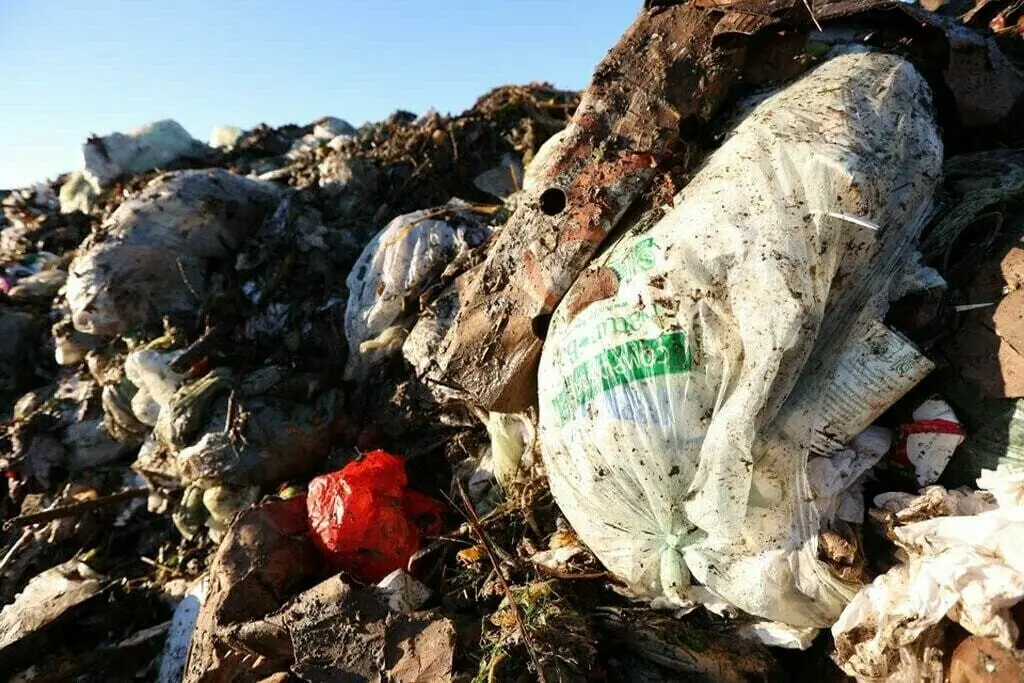
EDITORIAL: The scale of food waste worldwide is staggering, yet it remains one of the least effectively confronted failures of our time. This year’s International Day of Zero Waste, observed on March 30, turned the spotlight on what we discard daily: edible food that never fulfils its purpose. According to the United Nations Environment Programme (UNEP), globally, vast quantities of consumable food – running into more than a billion tonnes annually – are wasted across homes, restaurants and retail chains, eroding food security, accelerating environmental degradation and weakening climate resilience. The economic toll of this massive waste runs into the trillions, but the deeper cost lies in a system that produces abundance only to squander it. This system, it must be noted, is shaped and sustained by everyday choices. As highlighted in UNEP’s campaign brief for the day, “zero waste starts on your plate”, the crisis is as much about individual behaviour as it is about systemic inefficiencies. This becomes clearer when the numbers are broken down: roughly 132kg of food per person is discarded each year, with households alone responsible for about 79kg, showing how deeply waste is embedded in daily consumption. Most damagingly, it is driving a mounting environmental crisis. Food loss and waste contribute an estimated 8-10 percent of global greenhouse gas emissions, with up to 14 percent of methane emissions stemming from decomposing organic waste. Methane, over 80 times as potent as carbon dioxide in the short term, is sharply accelerating global warming, and putting an incredible strain on climate systems besides undermining food security. Coming to Pakistan, according to 2024 data from the Ministry of National Food Security and Research, the country discards roughly 26 percent of its annual food production, amounting to 20 million tonnes valued at USD 4 billion. Moreover, the UNEP’s Food Waste Index 2024 put Pakistan’s annual per capita food waste at 212kg, among the highest globally. Besides straining environmental resources, this waste also aggravates the country’s malnourishment crisis. With undernourishment rising from 17 percent in 2004-06 to 21 percent in 2021-23 – the only such increase in South Asia – the irony is glaring: edible food is being thrown away while millions go undernourished or hungry, highlighting the critical need to link waste reduction with food security. What Pakistan, and the world, urgently needs, therefore, is deliberate shifts in how food is purchased, prepared and valued. As the UNEP executive director has emphasised, this shift must be actively enabled through sustained public awareness drives that reshape consumer behaviour, embedding food literacy in school curricula, and pushing retailers and the hospitality sector to minimise waste through smarter stock management, dynamic pricing for near-expiry goods and zero-waste dining models, where kitchens fully utilise ingredients, minimise leftovers and compost unavoidable waste back into the food system. Equally critical is reforming confusing date-label practices, particularly the widespread misunderstanding of ‘best before’ dates, which often signal quality rather than safety but are routinely treated as hard expiry deadlines, leading households to discard food that remains perfectly edible, inflating waste at scale. At the broader policy level, governments can reinforce food waste prevention by integrating it into climate strategies, biodiversity action plans, and national frameworks on agriculture, urban development and circular economies. Promoting circularity would mean designing food systems where resources are reused and recycled – from composting organic waste to recovering nutrients for soil restoration – while ensuring effective monitoring, enforcement and support for innovation across supply chains that targets minimising waste. With 2.3 billion people facing moderate to severe food insecurity in 2025, according to UN figures, reducing food waste has become a moral imperative. The food we produce must be used to sustain lives instead of being squandered away. Copyright Business Recorder, 2026
Go to News Site