


 Business Recorder
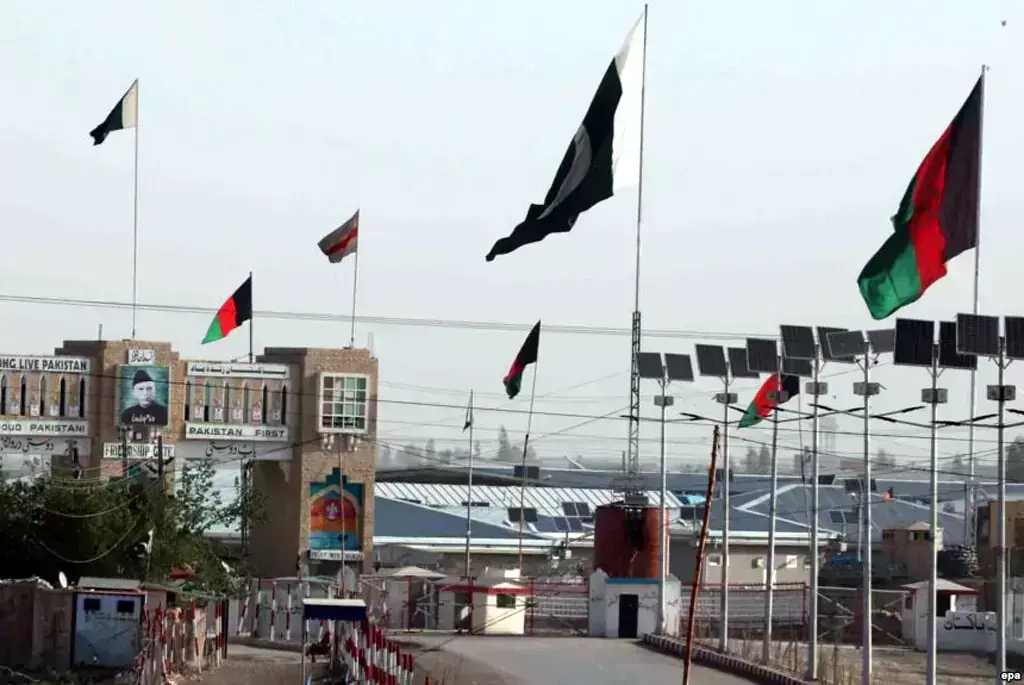
ISLAMABAD: In a major diplomatic development, senior officials from Pakistan and Afghanistan have resumed negotiations under a China-mediated trilateral mechanism in Urumqi on Wednesday, aiming to end the deadly clashes that have continued since the launch of Operation Ghazab lil-Haq on February 26, which, according to Pakistan, was launched to dismantle terror networks operating from Afghan soil, sources said. However, the Foreign Office Spokesperson neither confirmed nor denied the development. According to insiders, the atmosphere in Urumqi is nervous but realistic. The main mediator, China, along with Saudi Arabia, Qatar, and Turkey, is pressing hard for the implementation of the ceasefire and the establishment of an agreement on the management of the border. Pakistan had announced a five-day ceasefire in March on the occasion of Eid-ul-Fitr. However, the unannounced truce is continuing, which is seen as a Confidence Building Measure (CBM). Since the end of the ceasefire, no major incident of violence has been reported. Sources confided that senior high-ranking diplomatic and security officials from both sides are taking part in the talks. The talks are focused on Pakistan’s insistence on the Taliban’s dismantling of TTP sanctuaries and the counter-proposal from Kabul on the formation of a joint commission to look into security breaches. Similarly, the Chinese side has also urged Afghanistan’s Taliban rulers to tighten the noose around East Turkistan Movement (ETM), which, according to Beijing, is damaging China’s interests. Insiders further told that the reopening of the Torkham border on Tuesday for the repatriation of illegal Afghan nationals is a testament to Pakistan’s seriousness towards de-escalation. Reopening of the Torkham border injected fresh impetus to resume dialogue, said a diplomatic source. Despite the high degree of mistrust, the Taliban’s position has shifted to come to the negotiating table and resolve the concerning issues, particularly the resumption of trade routes. The first day of the dialogue came to an end, and the trilateral mechanism is at work to convince Pakistan and the Taliban to resume the process for another day. There is an anticipation that China will be able to use its influence on both Islamabad and Kabul to maintain the ceasefire. Reuters adds: Beijing has been trying to mediate a negotiated settlement to the conflict, which has claimed heavy losses on both sides, although many more on the Afghanistan side, since Pakistan launched air strikes in late February. Islamabad accuses the Taliban of harbouring and supporting Islamist militants who carry out attacks inside Pakistan. Kabul denies that claim, saying the militancy is Pakistan’s domestic problem. The new round of talks coincides with Foreign Minister Ishaq Dar’s visit to Beijing to seek Chinese support for Islamabad’s initiative to broker a peace deal between the US and Iran. Foreign and defence ministry delegates from both countries have travelled to the northwestern Chinese city of Urumqi, four sources in Pakistan and Kabul said. The four spoke on condition of anonymity because they were not authorised to disclose the information, saying the talks involved mid-level officials. Pakistan’s foreign ministry and the Kabul administration did not respond to requests for comment. The talks will focus on a potential ceasefire and on the reopening of border crossings to allow trade and travel, they said, adding that the new round of talks was a Chinese initiative. Copyright Business Recorder, 2026
Go to News Site