


 Dawn Business
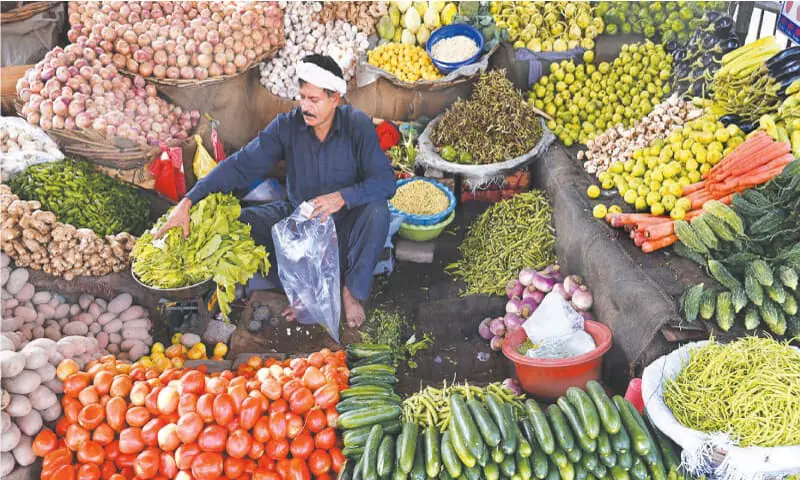
ISLAMABAD: Consumer inflation rose to 7.3 per cent in March from 7pc in February, maintaining an upward trend largely driven by higher energy prices amid the fallout of the Middle East war. The continued increase in monthly inflation, measured by the Consumer Price Index (CPI), has pushed it beyond the earlier comfort range as domestic energy tariffs registered a sharp rise during March. With the conflict persisting in the Middle East, energy prices are expected to increase further in April as the government passes on higher costs to consumers. The surge in fuel prices is also likely to raise transport costs, feeding into higher prices of essential food items, particularly perishables. The finance ministry also reported that inflation would remain in the range of 7.5pc to 8.5pc in March, citing high energy costs due to the West Asia war. The State Bank kept its policy rate unchanged at 10.50pc in response to rising inflation, warning that inflation could remain above its 5-7pc medium-term target range for a few months, even as economic activity gathers pace and rising imports widen the trade deficit. On a month-on-month basis, inflation increased by 1.2pc compared to the previous month, according to data released by the Pakistan Bureau of Statistics (PBS) on Wednesday. Inflation between July and March was recorded at 5.67pc in 2025-26, slightly higher than 5.25pc over the corresponding period last year, despite a high base effect. The average annual inflation for FY25 dropped sharply to 4.49pc from 23.41pc in the previous year, aided by a high base effect, declining food prices, and lower transport costs. The government has projected an inflation target of 7pc for the current fiscal year. Economists describe the current trend as disinflation — a slowdown in the pace of price increases, not a general decrease as in deflation — though the cost of living remains high for many households. Food inflation in March increased by 2.9pc in urban areas and 4.5pc in rural areas. On a month-on-month basis, food inflation rose by 0.1pc in urban areas but declined by 0.6pc in rural areas. Non-food inflation reached 10.3pc in urban areas and 9.7pc in rural regions, indicating that non-food inflation remains high and has been steadily rising in recent months. In March, core inflation — excluding volatile food and energy components — stood at 7.4pc in urban areas and 8.4pc in rural areas. Urban food items that saw notable month-on-month price increases included chicken (13pc), fresh fruits (11.25pc), fresh vegetables (5.01pc), pulse mash (2.78pc), meat (1.53pc), sweetmeat (1.49pc), bakery and confectionery (0.72pc), dry fruits (0.66pc), wheat products (0.57pc), ready-made food (0.53pc), mustard oil (0.50pc), cigarettes (0.22pc), pulse moong (0.15pc), milk powder (0.10pc), fresh milk (0.06pc) and rice (0.06pc). Published in Dawn, April 2nd, 2026
Go to News Site