


 Business Recorder
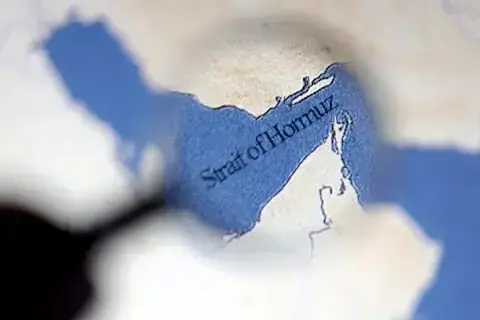
WASHINGTON/CAIRO: Dozens of countries sought ways to restart vital energy shipments through the Strait of Hormuz after US President Donald Trump vowed more aggressive strikes on Iran, pushing oil prices back up to damaging levels. Trump said military operations would be intensified without offering a timeline for ending hostilities, a lack of clarity that sent share prices lower. “We’re going to hit them extremely hard over the next two to three weeks. We’re going to bring them back to the Stone Ages where they belong,” Trump said in a Wednesday evening prime-time speech.Trump said the US would achieve its military objectives soon but suggested the war could escalate if Iranian leaders did not give in to Washington’s terms during negotiations, with strikes on Iran’s energy and oil infrastructure possible. He has said he may end the war without a deal and told countries that rely on fuel shipments through the Strait of Hormuz, which has been all but closed by Iranian attacks, to “just grab it”. European and other states have said they will only help secure the strait if there is a ceasefire. With pressure growing, some 40 countries were exploring ways to restore freedom of navigation at virtual talks on Thursday. Britain said the talks were focused on diplomatic and economic tools. France said the process would be multi-phased and could not begin until hostilities had calmed or ended. “It can only be done in consultation with Iran,” French President Emmanuel Macron said during a visit to South Korea. Iran’s armed forces responded to Trump with a warning for the United States and Israel of “more crushing, broader and more destructive” attacks in store. The war will continue until the “permanent regret and surrender” of Iran’s enemies, said Ebrahim Zolfaqari, spokesperson for the Iranian military’s Khatam al-Anbiya central headquarters, in a statement carried by Iranian media. CONTROL OF HORMUZ Fears are growing that the conflict may leave Iran with a stranglehold over Middle East energy supplies now that it has shown that it can block the vital Strait of Hormuz by targeting oil tankers and attacking Gulf countries hosting US troops. Gulf states say they reserve the right to self-defence but have refrained from responding militarily to repeated Iranian attacks over the past month, seeking to avoid escalation into a far more devastating all-out Middle East war. Iran’s parliament was reviewing a bill that would formalise the blocking of vessels from hostile countries passing through the strait and the charging of tolls for others wishing to pass, spokesperson Abbas Goodarzi said.
Go to News Site