


 Ruptly
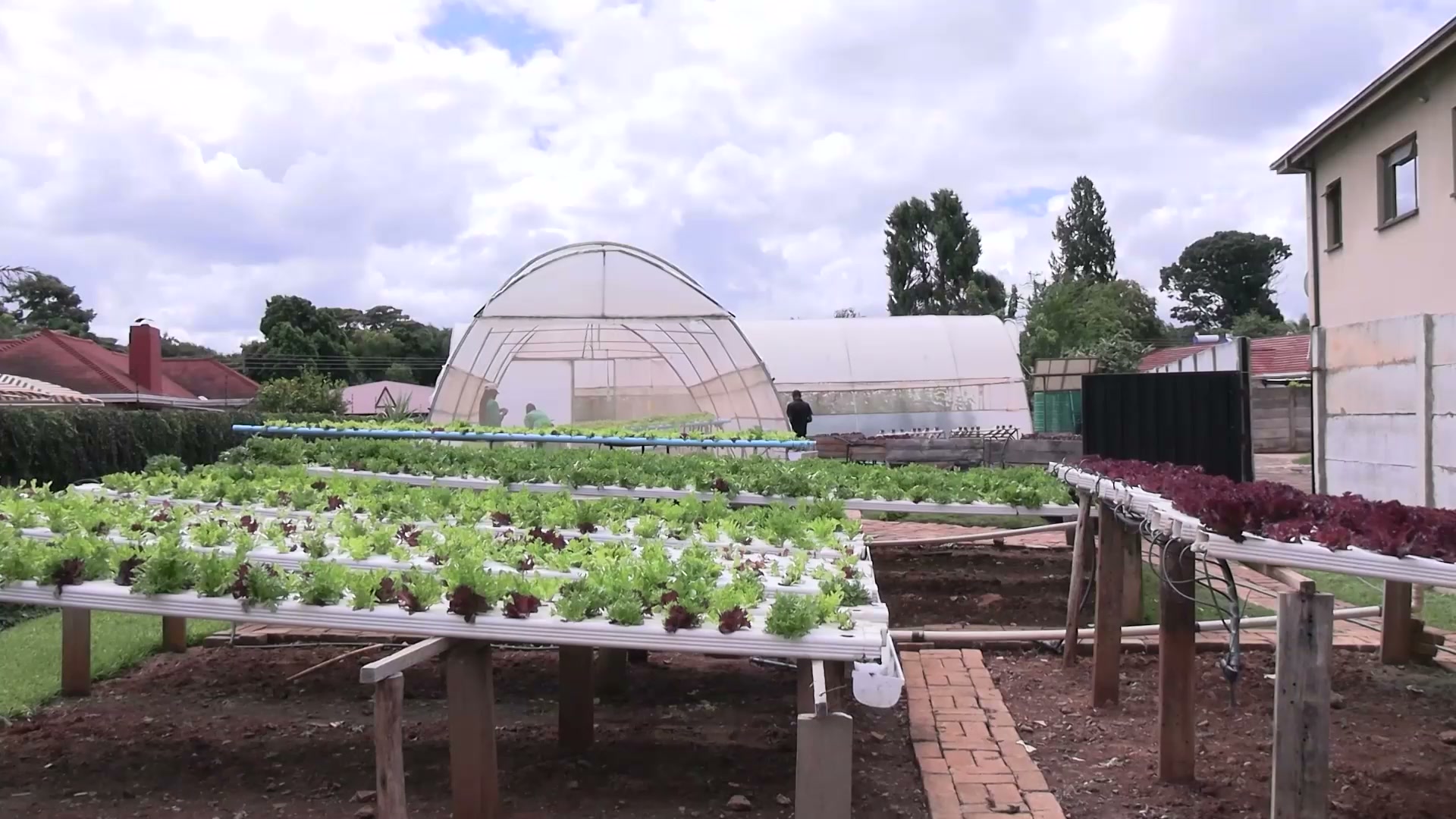
"35-year-old Keith Chipudhla, co-founder of Harare-based Vitagrow Urban Farms, is one of a growing number of young Zimbabweans turning to hydroponic farming - cultivation without soil - as land shortages and climate issues threaten the next generation seeking to enter agriculture. Footage captured on Thursday shows Chipudhla inspecting crops at his farm as employees tended and harvested cucumbers and lettuce. The hydroponic system, built on racks of water pipes, offsets land shortages by growing produce without soil. As land ownership for young people remains constrained by ancestral claims and politics in Zimbabwe, Chipudhla chose to enter the sector with a more innovative approach, starting from his parents' backyard. "I saw that with soil-based farming, I wasn’t able to produce anything of note for me to make it into a viable enterprise. So, I think these are the factors that then drew me towards hydroponics," Chipudhla noted. "Right now we are on a 1,500 square metre piece of land, and if we were doing it on the ground, we would need about four times the space," he explained. After more than seven years in business, Chipudhla's Vitagrow has grown into a leading regional producer, with the co-founder and his team now eyeing higher output and new markets. "A lot of people have produce and they don’t have a market, but for us, it’s the other way round, we have a market, but we don’t have enough produce [...] we have been working with various organisations like Zimtrade to now start capacitate to working towards export," he outlined. Keen to share his experience, Chipudhla now offers training and tours to various schools and farms, training over 3,000 people to date. “We are ready to help and actually train; however, the funding is the main thing right now, where, if we want to train at scale or reach other places in Zimbabwe that may be a bit more remote, we would need funding in order to accomplish that," the entrepreneur explained. Despite high initial setup and labour costs, the hydroponic model has proved profitable and instructive for Vitagrow, and Chipudhla now hopes, in addition to training within the country, to promote it in other parts of the continent. "Hydroponics is definitely a scalable venture, as you can see, that is what we are trying to prove here, so that we can replicate this model across Zimbabwe, across Southern Africa, because this is a very smart and sustainable way of farming," he underlined. Vitagrow's hydroponic model has drawn both local and international recognition, including from UNICEF. Chipudhla, meanwhile, has started mentoring young entrepreneurs across Africa seeking to enter the sector through his inspirational journey."
Go to News Site