


 Business Recorder
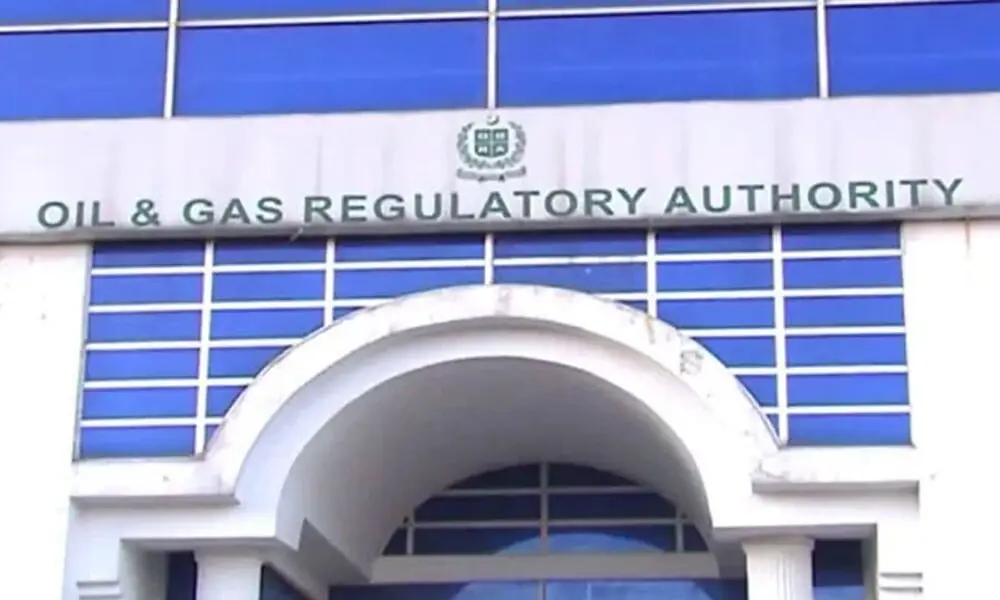
ISLAMABAD: A recent directive by the Oil and Gas Regulatory Authority (Ogra) has raised concerns within the oil marketing sector, with companies warning that new documentation requirements for Price Differential Claims (PDCs) could lead to delays in reimbursements and further strain their already tight liquidity positions. Under the revised mechanism, Oil Marketing Companies (OMCs) are required to submit scanned copies of sales invoices, reconciled with summary statements. These documents must be verified not only by company Chief Executive Officers (CEOs) or Chief Financial Officers (CFOs), but also by external auditors. The move is aimed at improving transparency and streamlining the PDC claims process. However, industry stakeholders have criticized the requirements as impractical and inconsistent with standard auditing practices. READ MORE: OMC sales surge in Pakistan, but ME tensions could test demand “This kind of invoice-level verification by external auditors does not reflect how audits are conducted,” said a senior finance executive at a leading OMC, requesting anonymity. “Audit firms typically evaluate systems and financial statements, rather than certifying thousands of individual invoices.” The PDC mechanism is intended to compensate OMCs for selling petroleum products below cost during periods of government-imposed price controls. In recent months, companies have reportedly borne significant financial burdens, funding around Rs205 per litre on diesel and Rs100 per litre on petrol while awaiting reimbursements. With claims now subject to extensive documentation and multiple layers of verification, companies fear that delays in payments could intensify liquidity challenges. “OMCs are already operating under cash constraints due to the scale of financing involved,” another industry official said. “Any hold-up in PDC payments directly affects our ability to sustain supply chains, meet supplier obligations, and manage day-to-day operations.” Industry representatives also noted that audit firms may be reluctant to comply with the directive in its current form, as the requirements fall outside the scope of conventional audit engagements. This could create bottlenecks in the claims process, leaving substantial amounts un-recovered for extended periods. The development has prompted calls for Ogra and the Ministry of Energy to review the requirements and align them with operational realities. “There is no resistance to transparency or accountability,” an executive added. “But the process must be workable—otherwise, it risks undermining its own objective and disrupting fuel supply stability.” As Pakistan navigates ongoing economic challenges, the oil marketing sector continues to play a vital role in ensuring uninterrupted energy supplies. Industry stakeholders caution that unless the issue is resolved promptly, administrative complications could translate into broader financial and operational stress across the sector. Ogra has not yet issued an official response to the concerns raised by OMCs. Copyright Business Recorder, 2026
Go to News Site