


 Business Recorder
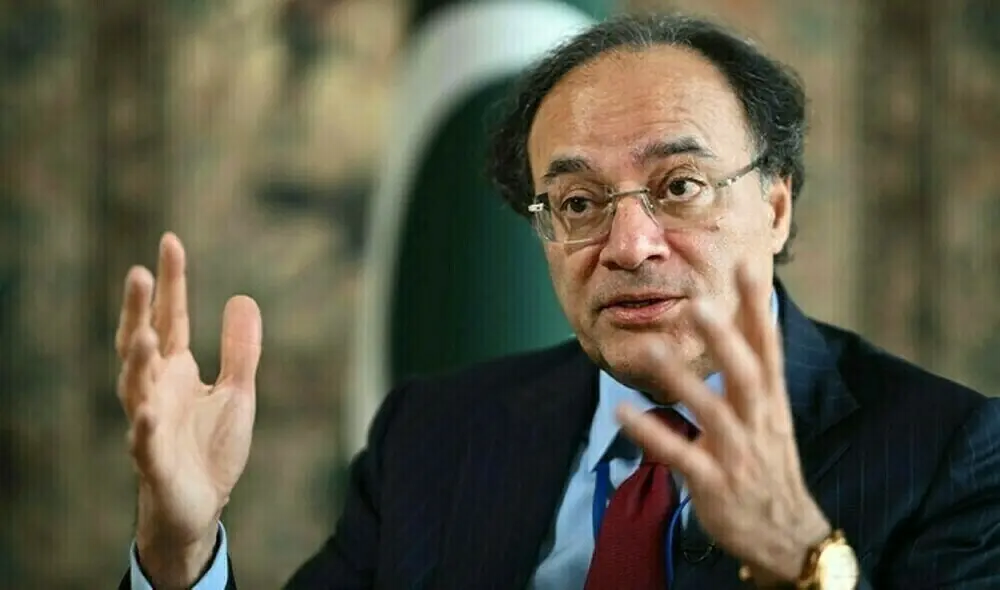
ISLAMABAD: Federal Minister for Finance and Revenue, Senator Muhammad Aurangzeb, has said that petroleum reserves, price trends, and other energy-related matters are being reviewed daily. While initiating a discussion on the country’s petroleum situation in the National Assembly on Monday, the Minister said that when the regional crisis began at the end of February, Prime Minister Shehbaz Sharif took immediate action. The PM had informed the cabinet that the situation arising from the crisis must be handled in a proactive and effective manner. He added that over the weekend, the prime minister constituted a committee to monitor petroleum supplies, comprising the ministers for petroleum, maritime affairs, national food security, and commerce, along with the Governor of the State Bank. He said that the committee has been holding daily meetings since March 1. READ ALSO: Govt says fuel reserves sufficient for 27 days The Finance Minister said the cabinet committee is reviewing all aspects related to petroleum products, including stock levels, prices, and regional and global trends. He said that the prime minister is personally overseeing the process, while another committee, headed by the deputy prime minister, has also been formed to monitor the situation. Federal Minister for Petroleum, Ali Pervaiz Malik, said that Pakistan is securing oil imports from Saudi Arabia’s Yanbu Port on the Red Sea (often referred to as an alternative to Gulf ports) to bypass disruptions in the Strait of Hormuz. He said that due to regional conflicts in the Middle East, the Saudi government assured that supplies can be sourced from the Yanbu Port. “This strategy, initiated in March 2026, involves sending Pakistan National Shipping Corporation (PNSC) vessels to load crude oil to ensure a steady energy supply,” he said. He said that Pakistan has already dispatched vessels to pick up crude oil from this port, with assurances of continued supplies from Saudi Arabia. The Minister said that Pakistan imports around 80 percent of its oil to meet energy needs and the government is importing oil from but the government has shielded the public from the full impact of global price hikes and supply disruptions caused by the Iran conflict and the closure of the Strait of Hormuz. He said recent increases in petroleum prices were made after taking all stakeholders into confidence, while relief was simultaneously provided to the middle class. He added that subsidies on petroleum products are being delivered through digital wallets, ensuring targeted support to deserving segments. He said that despite heightened regional tensions, an uninterrupted fuel supply has been maintained across the country, and Pakistan continues to play an active role in promoting peace and stability in the region. He noted that small farmers are being provided a subsidy of Rs1,500 per acre, while shipping costs have surged by hundreds of thousands of dollars due to disrupted routes. Ali Pervaiz Malik explained that the global crisis intensified after the February 28 attack on Iran, which disrupted movement through the Strait of Hormuz — a key route for 15 to 20 percent of global energy supplies, including crude oil, LNG, LPG, diesel, and fertilizers — leading to sharp increases in international prices. He said the government initially absorbed the shock by providing weekly subsidies of Rs50–60 billion and mobilizing up to Rs100 billion through austerity measures and resource reallocation. However, as global crude oil prices surged from around USD 70 per barrel to as high as USD 170, difficult decisions had to be made, including raising diesel prices, he said. The minister said Pakistan quickly secured alternative supply arrangements with friendly countries, ensuring the continued availability of oil and gas. He further said local oil and gas companies increased production to support domestic demand, while the government ensured gas supply during peak cooking hours. He highlighted that, alongside the oil crisis, a global fertilizer shortage has also emerged, but Pakistan has maintained supply by ensuring uninterrupted gas to fertilizer plants and capping prices at Rs4,500 per bag. The minister said a coordinated national response was developed through consultations with provincial governments and stakeholders to protect vulnerable groups, including farmers, transporters, and low-income households. He said that public transport operators are receiving subsidies, railway fares have not been increased, and free or subsidized transport services have been introduced in several areas. While speaking on the floor of the House, Pakistan Tehreek-e-Insaf (PTI) Chairman Barrister Gohar Ali Khan said that the government could further decrease the petroleum price, but it did not do so. He said that the government can decrease the levy tax more than Rs 80 per letter on petrol by negotiating with the International Monetary Fund (IMF). He said that India is negotiating with oil marketing companies to decrease their profit margin. He said that the government should also talk with oil companies to reduce their profit. He said that the oil price increased by 3 percent in the global market due to the Middle East War, while our government increased the prices by 20 percent. He said that the government is going to give a subsidy to the poor people on petroleum products. He said that the government must ensure that the subsidy would not be misused. Farooq Sattar of the Muttahida Qaumi Movement-Pakistan (MQM-P) said that the world is facing a new crisis, warning of a looming global recession and saying that such conflicts pose serious challenges for economically fragile countries. He said that the Petroleum Minister has explained the government’s capacity and constraints in the House, but emphasized that authorities must reassure the people who are “crying out” under economic pressure. Farooq Sattar added that subsidies on petroleum products are only effective when limited segments, such as motorcyclists, are affected. He said the committee formed by Prime Minister Shehbaz Sharif is working on a limited scale, emphasizing the need for extraordinary measures and comprehensive solutions to address the crisis. Earlier, National Assembly Speaker Sardar Ayaz Sadiq congratulated Member of the National Assembly Syed Naveed Qamar on being elected unopposed as President of the Parliamentarians for Global Action. He said that this achievement is a matter of pride and honour not only for Syed Naveed Qamar but for the entire Parliament. He expressed hope that the election would further strengthen Pakistan’s parliamentary representation at the international level. Copyright Business Recorder, 2026
Go to News Site