


 Ruptly
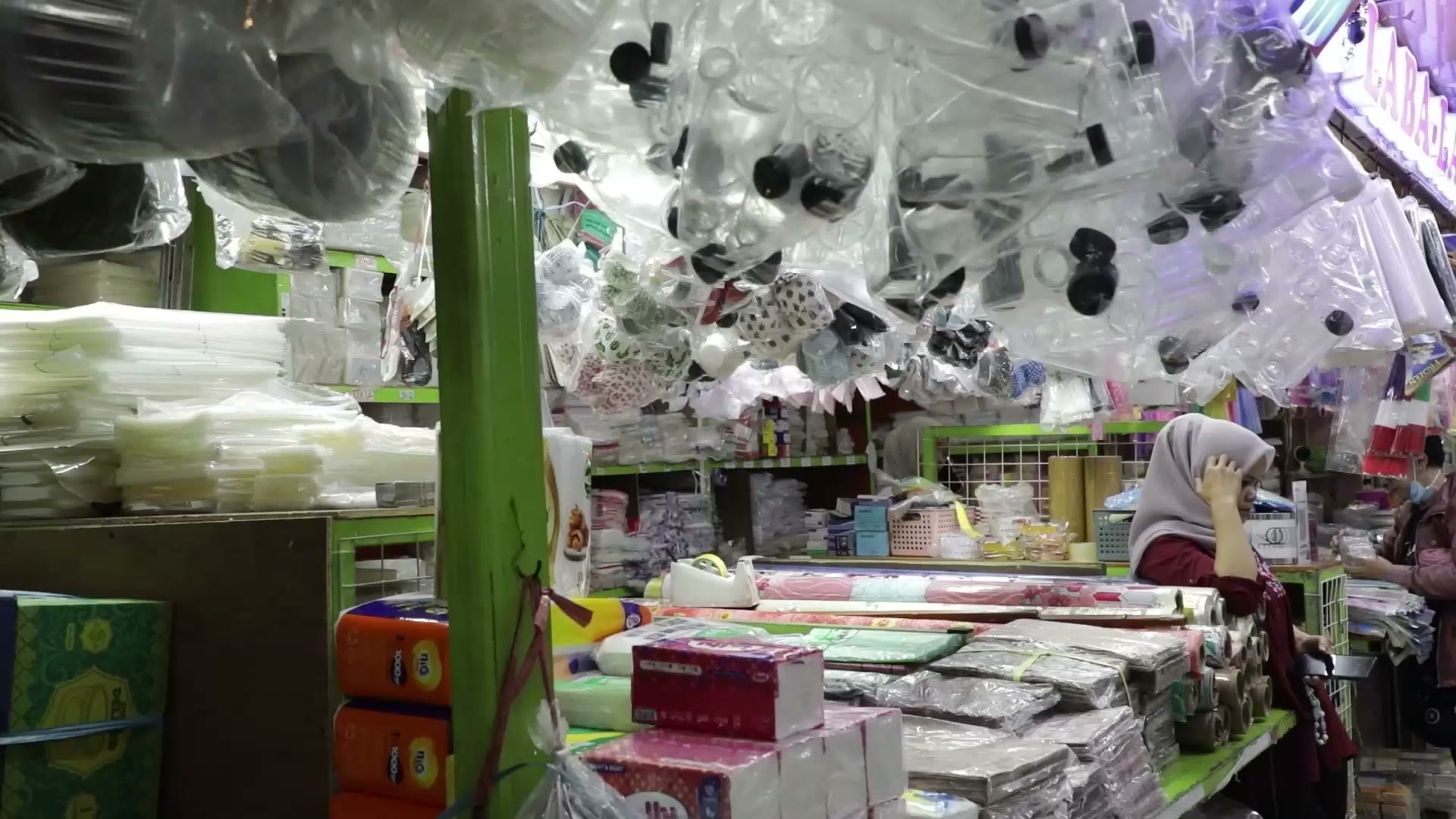
"Plastic prices in Indonesia have surged sharply in recent weeks, with traders at Jakarta’s Jatinegara Market reporting increases of up to 70 percent on some products, dampening sales as customers grow more cautious with spending. “With plastic prices rising like this, sales have become sluggish. People really stop and think twice before buying now,” said seller Mrs Desi. Buyers also reported significant pressure from the price hikes, describing them as unusually steep compared to normal fluctuations. “As traders, we buy in bulk, so we really feel the price hike,” said Ambar. “This isn’t just a ‘price increase’ anymore - it’s a price overhaul! Usually, a hike is maybe 1,000 to 2,000 IDR, but this has jumped by 50 percent to 70 percent.” Plastic prices across Indonesia have surged by 30 to 50 percent since March, sparking fears of a severe supply chain crisis. The country remains heavily reliant on the global market, importing around 60 percent of its plastic raw materials from overseas, with 70 percent of petrochemical precursors originating in the Middle East. This dependence leaves domestic manufacturers acutely vulnerable to external shocks, such as the current Middle East conflict. Buyer Septi said the impact is particularly strong for small businesses and lower-income households. “The rise in plastic prices right now is extraordinary… For lower- to middle-class communities, this is very impactful,” she said. “What used to be a small budget has now ballooned.” She added that broader geopolitical tensions may be contributing to the increase. “Maybe it’s an aftereffect of the Iran–America conflict; that might be playing a part. Oil prices are up, leading to high production costs,” she said. The conflict in the Middle East has disrupted shipping through the Strait of Hormuz, effectively closing key routes and pushing Brent crude above $100. Analysts say global supply chain disruptions and volatility in energy markets have driven up the cost of petrochemical-based products, including plastics."
Go to News Site