


 Business Recorder
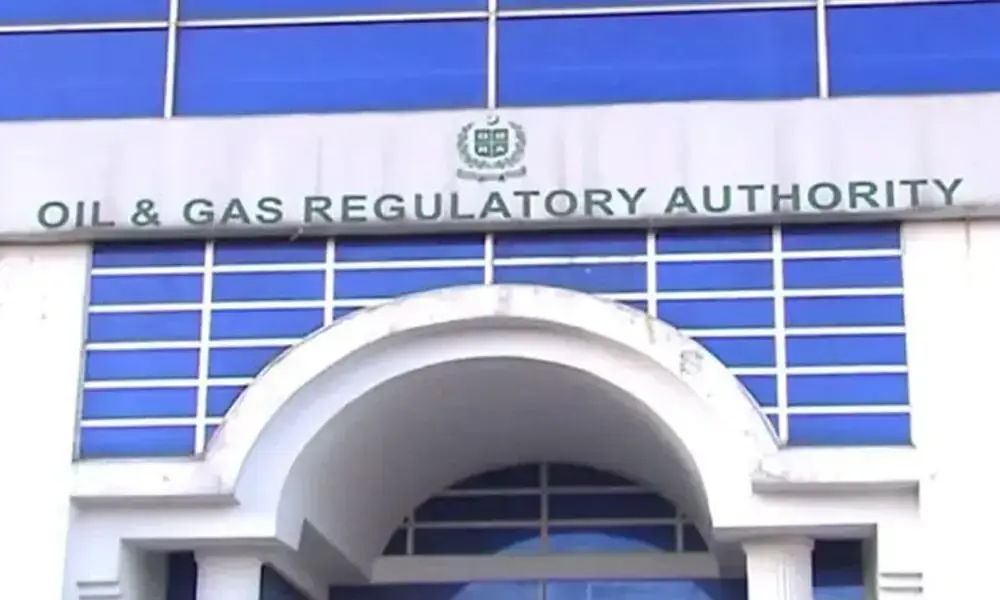
ISLAMABAD: Oil Marketing Companies (OMCs) are facing mounting financial strain as up to Rs107 billion in Price Differential Claims (PDCs) remain unsettled, with industry sources citing persistent regulatory delays despite clear directions from the Ministry of Energy to expedite payments. While the ministry has urged timely resolution, the Oil and Gas Regulatory Authority (OGRA) has yet to clear the backlog, instead introducing revised documentation requirements on a rolling basis — often changing formats within days — effectively slowing the disbursement process. Industry estimates indicate that an initial claim of around Rs27 billion, submitted in mid-March, has only been partially settled. Subsequent claims worth Rs70–80 billion remain unpaid, taking total outstanding exposure to nearly Rs107 billion. READ MORE: Requirements for PDCs: Ogra directive perturbs OMCs At the core of the issue is process instability. OMCs report that as they move toward compliance, new documentation requirements are introduced—ranging from invoice-level reconciliations to repeated certifications by CEOs, CFOs, and external auditors. A revised submission format was issued as recently as the previous night, with no assurance that further changes will not follow. Industry officials say these shifting requirements are undermining the submission process, turning what should be a defined reimbursement mechanism into an open-ended exercise. External auditors, typically responsible for system and financial validation, are now being asked to verify transaction-level data — an obligation some firms may be unwilling to undertake. Compounding the pressure, OGRA is also considering a proposal to withhold 10 percent of admissible PDC payments pending reconciliation with the Federal Board of Revenue. This could lock up an additional Rs7.4 billion for up to two months, further tightening liquidity in a fixed-margin sector. PDCs arise when the government caps fuel prices below procurement cost, with the differential meant to be reimbursed to OMCs. Delays in these payments are forcing companies to rely on borrowing, increasing financing costs and eroding already thin margins. The financial strain is now cascading across the supply chain, with refineries and logistics providers tightening credit terms, while smaller OMCs face growing working capital pressures. Industry sources warn that if the situation persists, the impact could extend beyond financial stress to fuel supply disruptions. The risk, they caution, is not operational but financial—stemming from sustained delays in reimbursements. OMCs have formally approached the Ministry of Energy, calling for immediate settlement of outstanding claims, the introduction of a single and final documentation framework, and an end to repeated changes in submission requirements. For now, the gap between policy direction and regulatory execution remains unresolved, leaving the sector in a state of uncertainty. Copyright Business Recorder, 2026
Go to News Site