


 Ruptly
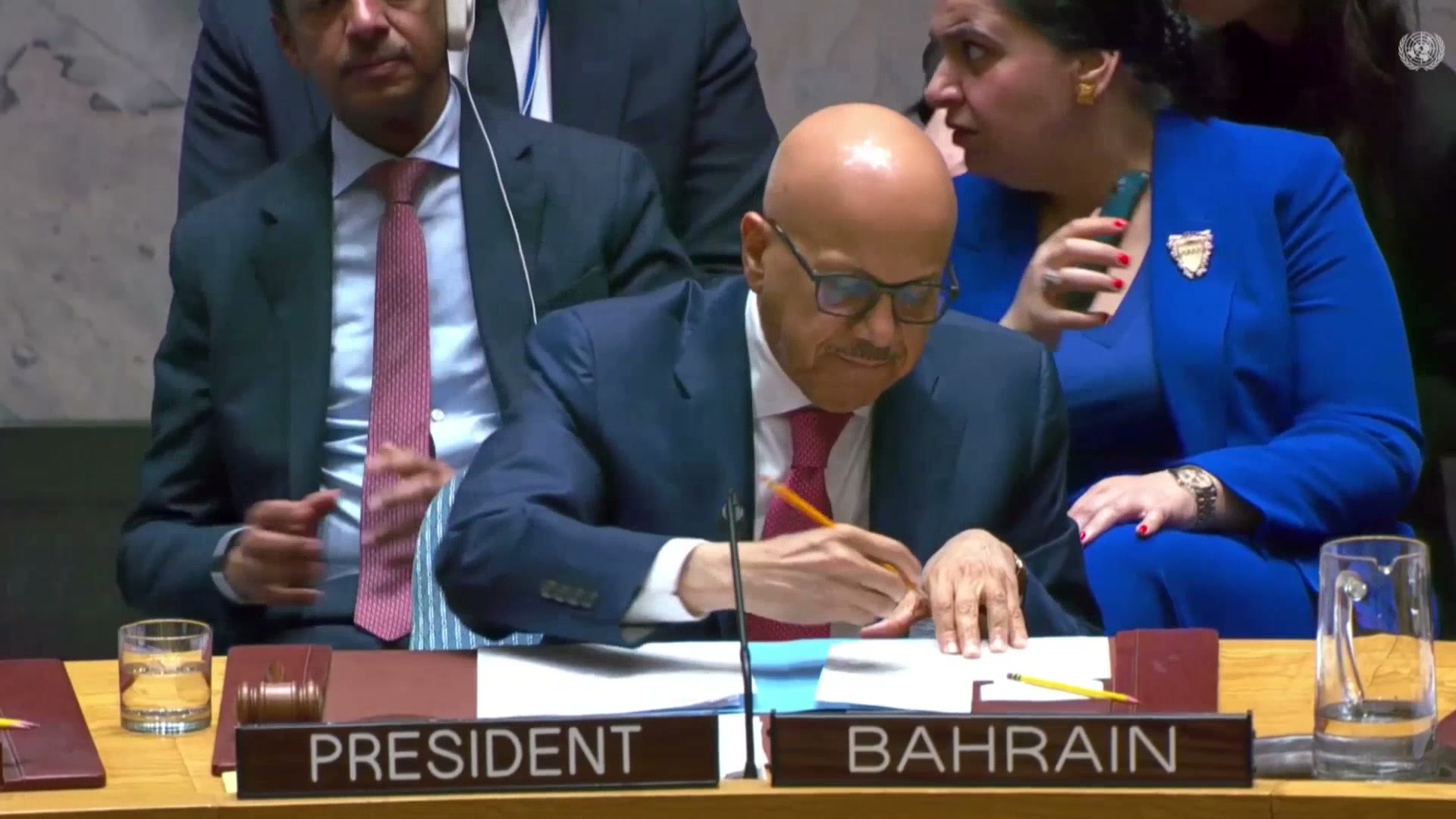
"Russia's Permanent Representative to the UN, Vasily Nebenzya, rejected the Gulf-backed resolution on the reopening of the Strait of Hormuz on Tuesday, describing the draft as imbalanced. "We strive to achieve peace in the Persian Gulf and the Middle East as soon as possible. However, the Russian Federation could not support a text that would set a dangerous precedent for international law," Nebenzya said. He argued that the draft is "riddled with unbalanced, inaccurate and confrontational elements," claiming the root cause of the ongoing conflict is 'ignored.' "Adopting such a document, while ignoring the broader context of the situation, would only further antagonise Iran, which is already under daily attack from the US and Israel," the representative stressed. Nebenzya asserted that the issue of maritime navigation in the trade route must instead be solved through negotiations between Iran and the Gulf, which he said Moscow would be willing to 'facilitate' The draft, submitted by Bahrain on behalf of the Gulf states and Jordan, called for coordinated international efforts to protect commercial shipping and ensure the uninterrupted flow of navigation through the strait, including escorting vessels and deterring any attempts to close the waterway. Shortly before the US President's self-imposed deadline for a deal on Tuesday, Donald Trump announced that he agreed to a two-week ceasefire subject to the reopening of the Strait of Hormuz. Iran had submitted a 10-point proposal, which Trump described as "a workable basis on which to negotiate." Iranian Foreign Minister Seyed Abbas Araghchi said that "For a period of two weeks, safe passage through the Strait of Hormuz will be possible via coordination with Iran's Armed Forces and with due consideration of technical limitations." Tensions have escalated across the Middle East since the United States and Israel launched a joint military operation against Iran on February 28, amid diplomatic talks aimed at curbing 'Iran's nuclear and missile programmes'. Tehran responded with retaliatory strikes on Israel and US assets in the region, with reports of explosions in several Gulf countries. Iran later confirmed the death of Supreme Leader Ali Khamenei, with his son Mojtaba Khamenei named as his successor."
Go to News Site