


 iefimerida
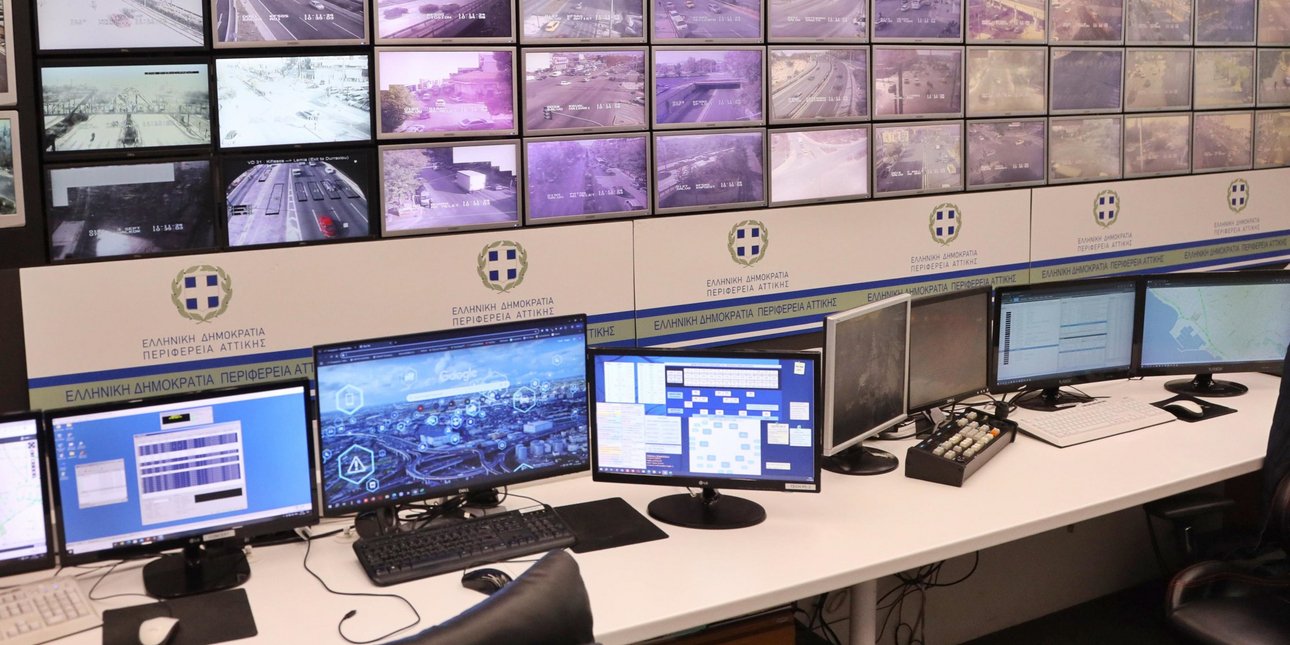
Road fatalities in Greece plummeted by a record 22% last year, dropping to their lowest level since the 1960s following a sweeping national crackdown on traffic violations and the deployment of artificial intelligence. Traffic deaths fell from 665 in 2024 to 517 in 2025. Prime Minister Kyriakos Mitsotakis highlighted the milestone during a recent government summit in Glyfada, framing road safety as a critical national priority. Deputy Transport Minister Konstantinos Kyranakis noted the decline ranks among Europe's steepest, attributing the success to aggressive intervention rather than chance. The administration's strategy includes a stricter highway code targeting repeat offenders, expanded policing that conducted 1.8 million breathalyzer tests in 2025, and extended late-night public transit. A centerpiece of the initiative is the "Odysseas" digital network, which utilizes AI to automatically process infractions and identify high-risk traffic corridors. "The improvement reflects coordinated action," Mr. Kyranakis said. The stringent enforcement is actively driving a cultural shift on the roads. Officials report that approximately 45% of citizens have adopted safer habits, notably reducing alcohol consumption before driving and opting for taxis or public transit on weekends. Despite the historic progress, Mr. Mitsotakis and his cabinet warned that significant dangers persist. Motorcyclists, nighttime drivers, and rural travelers remain highly vulnerable, particularly as the busy summer tourism season approaches. Διαβάστε περισσότερα στο iefimerida.gr Road fatalities in Greece plummeted by a record 22% last year, dropping to their lowest level since the 1960s following a sweeping national crackdown on traffic violations and the deployment of artificial intelligence. Traffic deaths fell from 665 in 2024 to 517 in 2025. Prime Minister Kyriakos Mitsotakis highlighted the milestone during a recent government summit in Glyfada, framing road safety as a critical national priority. Deputy Transport Minister Konstantinos Kyranakis noted the decline ranks among Europe's steepest, attributing the success to aggressive intervention rather than chance. The administration's strategy includes a stricter highway code targeting repeat offenders, expanded policing that conducted 1.8 million breathalyzer tests in 2025, and extended late-night public transit. A centerpiece of the initiative is the "Odysseas" digital network, which utilizes AI to automatically process infractions and identify high-risk traffic corridors. "The improvement reflects coordinated action," Mr. Kyranakis said. The stringent enforcement is actively driving a cultural shift on the roads. Officials report that approximately 45% of citizens have adopted safer habits, notably reducing alcohol consumption before driving and opting for taxis or public transit on weekends. Despite the historic progress, Mr. Mitsotakis and his cabinet warned that significant dangers persist. Motorcyclists, nighttime drivers, and rural travelers remain highly vulnerable, particularly as the busy summer tourism season approaches. Διαβάστε περισσότερα στο iefimerida.gr
Go to News Site